
Headphones are now a regular part of middle school learning. Students use them throughout the day for classroom activities, digital assignments, testing, library work, and homework. Because of this, choosing the right headphones has become an important decision for both families and schools.
Parents are usually looking for headphones that work well for one student at a time and fit easily into daily routines at school and at home. Schools and libraries face a different challenge. They often manage headphones that are shared across classrooms, stored in carts or desks, and expected to work consistently for many students. These different environments place very different demands on the same piece of equipment.
This guide reviews the best headphone brands for middle school students, starting with well known options suited for personal student use. It also explains when schools and libraries need a different approach and what to consider when headphones are used in shared learning environments.
Key Takeaways
The best headphones for middle school students depend on how they will be used, not just brand name or sound quality. Personal student use and shared school use require different features.
For individual students, popular consumer headphone brands work well for homework, school assignments, and personal devices when comfort, durability, and device compatibility are prioritized.
Schools and libraries face unique challenges, including shared use, frequent handling, hygiene concerns, storage, and the need for consistent performance across many students.
Wired headphones are still widely used in classrooms, libraries, and testing environments because they are easier to manage, do not require charging, and work reliably with school-issued devices.
Proper fit and comfort matter for middle school students. Adjustable headbands, balanced weight, and compatibility with glasses can directly affect focus and willingness to use headphones.
Cost should be evaluated based on long-term value, not just upfront price. Headphones that break frequently often cost schools more over time through replacements and downtime.
Consumer headphones are typically designed for individual ownership and may not hold up well in shared school environments where durability, cleanability, and consistency are critical.
Purpose-built educational headphones, such as those designed by Scan Sound, are often chosen by schools and libraries to address shared-use requirements, hearing safety, and long-term reliability.
What Are the Best Headphones for Middle School Students?
The best headphones for middle school students are designed to support learning rather than entertainment. They should be comfortable enough for regular use, reliable with school-issued devices, and built to handle the way students use them throughout the school day.
Key qualities to look for
Comfortable fit for smaller heads: Headphones should adjust easily and stay comfortable during class, testing, and homework. A poor fit can cause distraction or discomfort during longer sessions.
Durability for daily use: Middle school headphones are plugged in and packed away multiple times a day. Sturdy headbands, reinforced cables, and simple designs tend to last longer in real classroom use.
Safe listening levels: Headphones should allow students to hear clearly at lower volumes. This helps support healthy listening habits during long school days.
Compatibility with school devices: Most middle schools use Chromebooks, tablets, or shared desktop computers. Headphones should connect easily without adapters or extra setup.
Simple, distraction free design: For school use, headphones that focus on basic functionality often work better than models built primarily for entertainment or gaming.
In classrooms where students need to hear instructions while listening, mono or single-ear headphones are often used to support awareness.
What Are the Top 10 Headphone Brands for Middle School Students?
The following headphone brands are widely used by middle school students for individual, personal use, including schoolwork, homework, and everyday listening. These brands are commonly available, familiar to parents, and offer models that meet basic school requirements such as comfort, durability, and device compatibility.
This list focuses on brand reliability and suitability for students, not specific models or advanced audio features.
1. Sony
Sony is known for dependable build quality and comfortable designs. Many of its student-friendly headphones balance sound clarity with durability, making them a common choice for school and home use.
Best for: Everyday schoolwork and homework
Price range: Mid to premium
2. JBL
JBL offers a wide range of affordable headphones designed with younger users in mind. Their student-oriented options are lightweight and often built to handle regular handling.
Best for: Budget-conscious families
Price range: Budget to mid
3. Bose
Bose headphones are known for comfort and balanced sound. While often more expensive, they are a popular option for students who need comfortable headphones for longer listening sessions.
Best for: Comfort-focused personal use
Price range: Premium
4. Beats
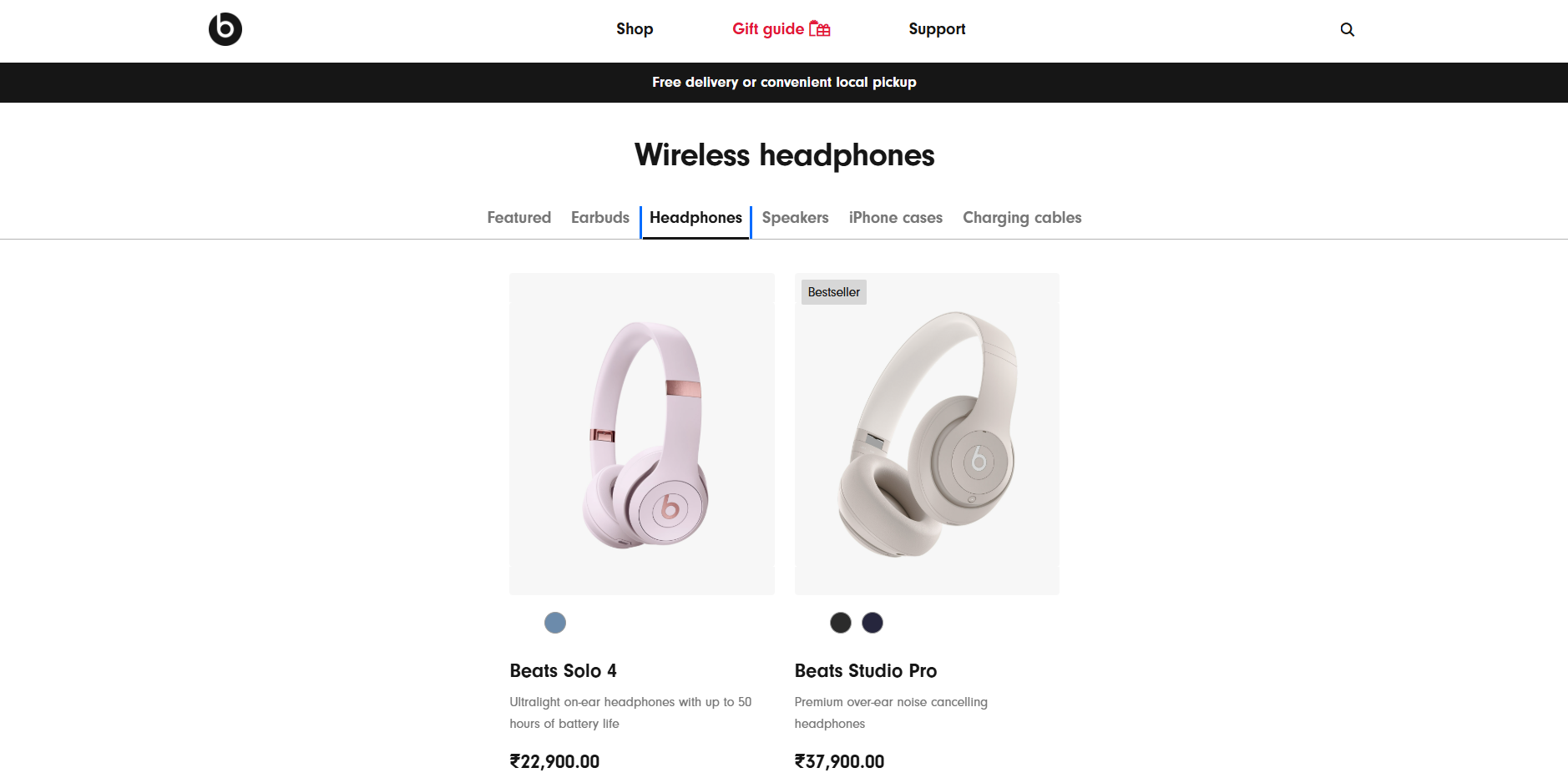
Beats headphones are popular with middle school students due to their style and brand recognition. They are typically chosen for personal ownership rather than school-managed environments.
Best for: Personal devices and at-home use
Price range: Mid to premium
5. Audio-Technica
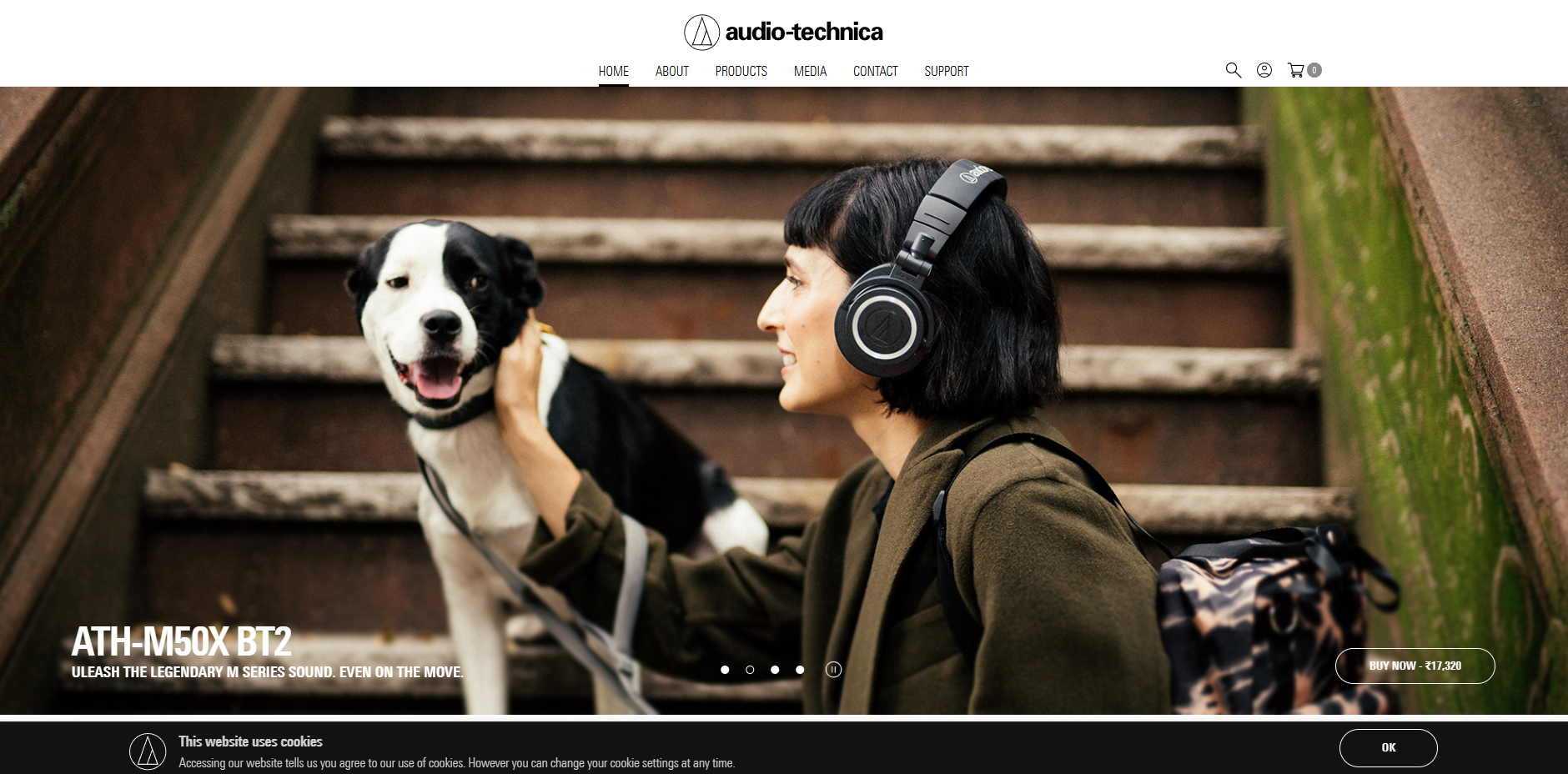
Audio-Technica is known for straightforward, no-frills headphone designs. Their models often appeal to families looking for reliable performance without unnecessary extras.
Best for: Simple, functional student use
Price range: Budget to mid
6. Soundcore
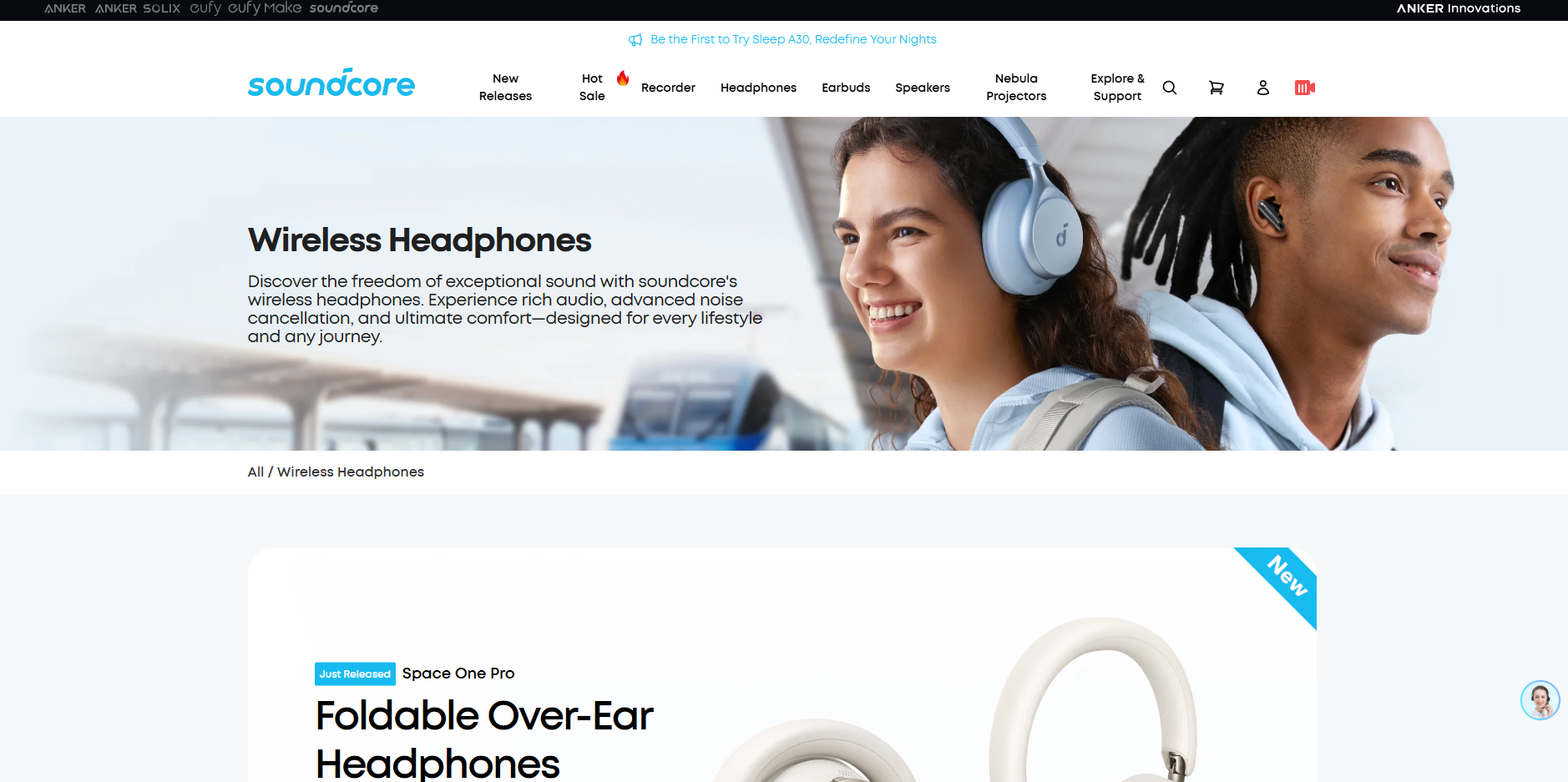
Soundcore, Anker’s audio brand, offers competitively priced headphones with solid battery life and durability. They are commonly chosen for students who need affordable wireless options.
Best for: Value-focused wireless headphones
Price range: Budget to mid
7. JLab Audio
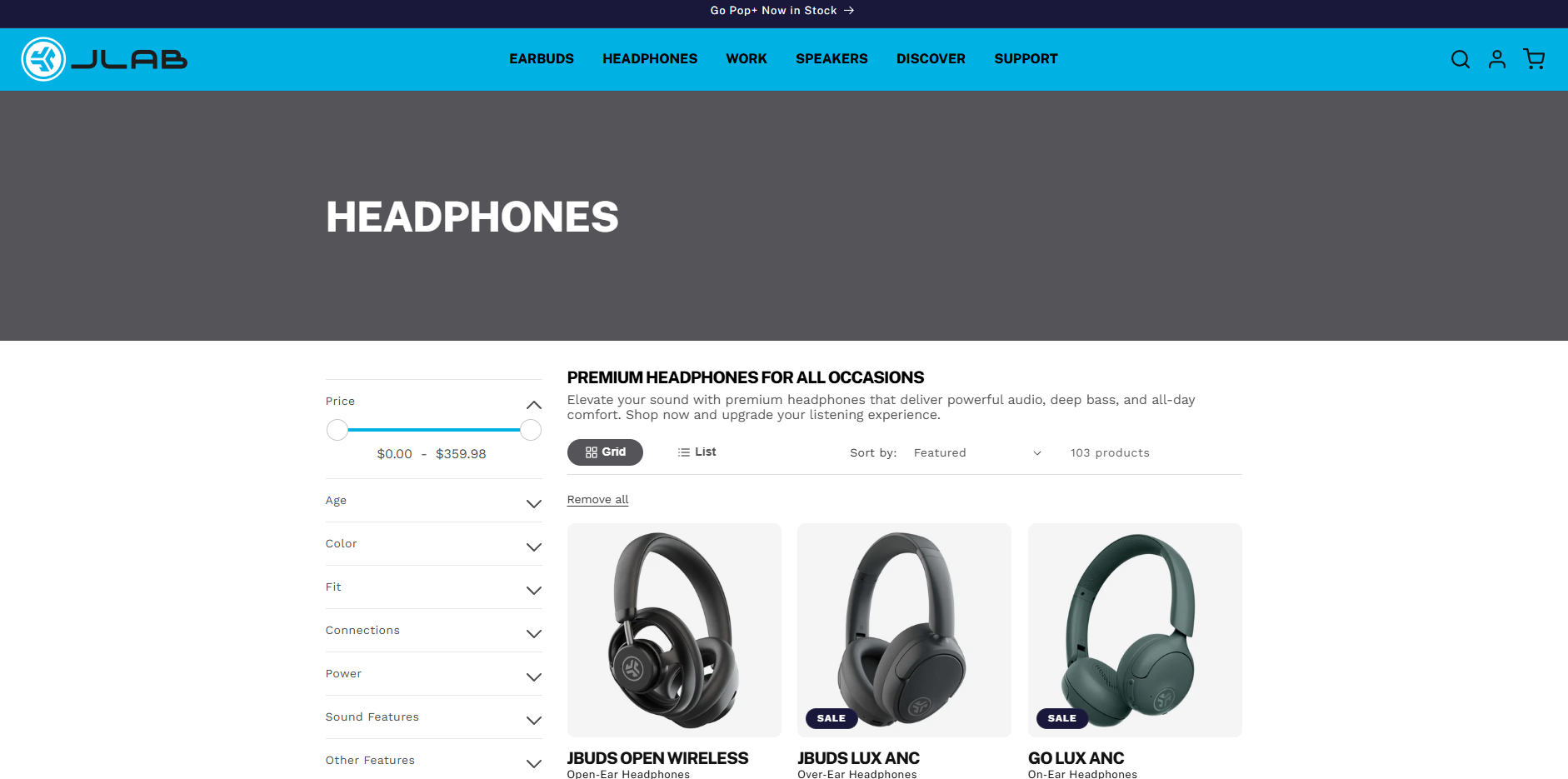
JLab Audio focuses on budget-friendly headphones designed for younger users. Their products are widely available and often used as entry-level student headphones.
Best for: Entry-level student use
Price range: Budget
8. Sennheiser

Sennheiser is known for sound clarity and solid construction. While traditionally associated with higher-end audio, some of their models work well for older middle school students.
Best for: Clear sound and long-term reliability
Price range: Mid to premium
9. Skullcandy
Skullcandy offers affordable, youth-oriented designs that appeal to middle school students. These headphones are typically chosen for personal use rather than structured school environments.
Best for: Style-focused personal use
Price range: Budget to mid
10. Panasonic
Panasonic produces simple, wired headphone options that are often used with school-issued devices. Their designs prioritize basic functionality over advanced features.
Best for: Basic wired school use
Price range: Budget
Get guidance from Scan Sound on choosing headphones for your school or library environment
Recommended Read: Benefits of Disposable Headphone & Headset Covers
Are Wired or Wireless Headphones Better for Middle School Students?
Both wired and wireless headphones can work for middle school students, but the better choice depends on how and where the headphones will be used. Understanding the tradeoffs helps parents and educators avoid common frustrations during the school year.
When wireless headphones make sense
Wireless headphones are often preferred for personal, take-home use. They eliminate cords that can tangle or snag and are convenient for students who use their own laptops or tablets at home.
Best for:
Homework and personal devices
Students responsible enough to charge and manage them
At-home or supervised use
Limitations to consider:
Batteries must be charged regularly
Bluetooth pairing can be inconsistent across school devices
Higher risk of loss or distraction in classrooms
When wired headphones are the better option
Wired headphones remain common in schools because they are simple and predictable. They connect instantly, do not require charging, and work reliably with most school-issued Chromebooks and desktops.
Best for:
Classroom use
Testing environments
School-issued devices
Situations where consistency matters
Limitations to consider:
Cables can wear out over time if not reinforced
Less flexibility for personal use outside school
What many schools choose
In school libraries and testing environments, many schools continue to rely on wired headphones designed specifically for shared use, such as those from Scan Sound, because they reduce charging issues and provide more consistent performance across devices.
Schools comparing wired setups often review stereo and mono headphones designed specifically for shared classroom and library use.
How Should Headphones Fit Middle School Students?
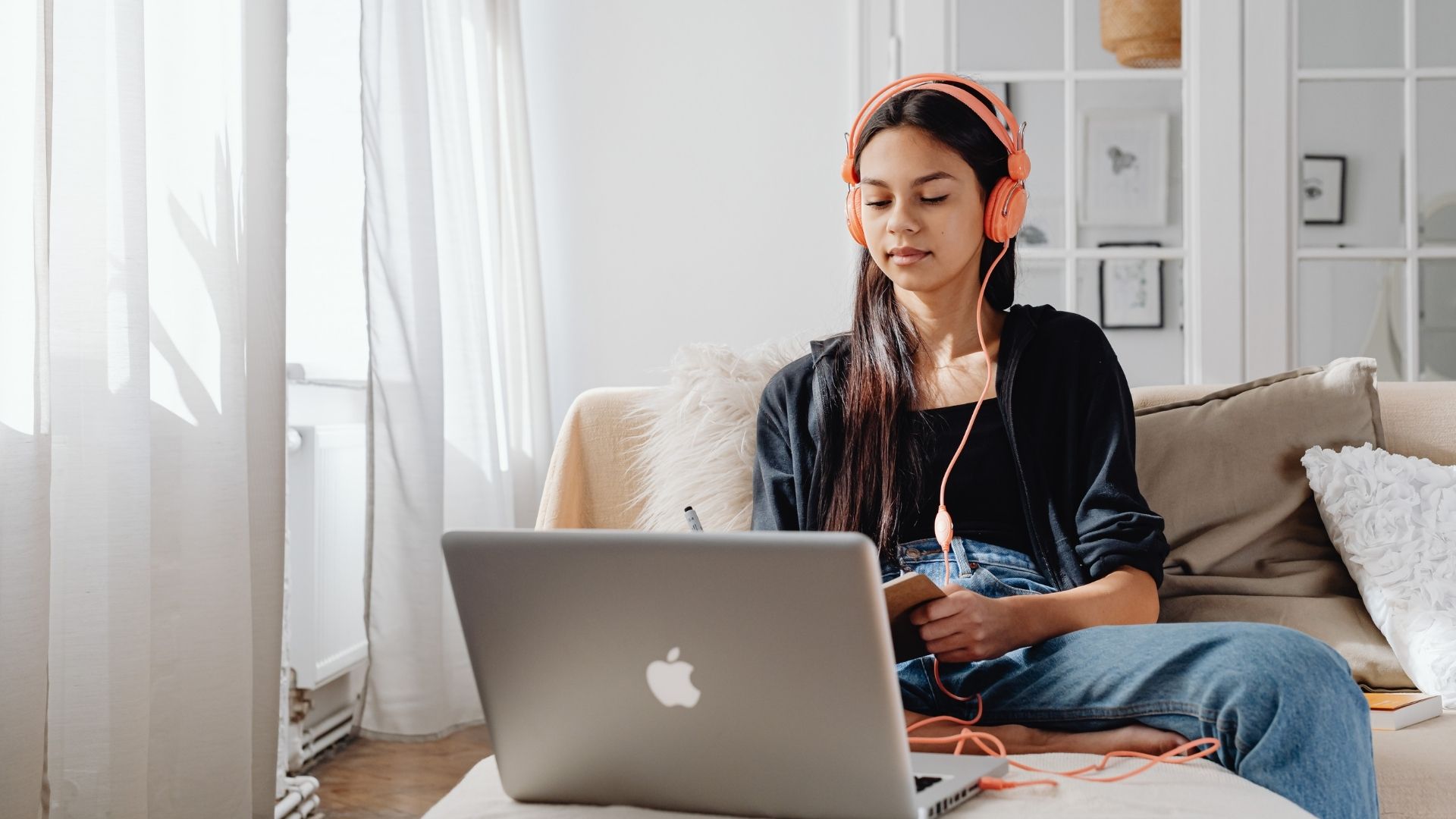
Proper fit plays a major role in how well headphones work for middle school students. Even well-made headphones can become a distraction if they are too large, too tight, or uncomfortable during normal school activities.
Adjustability matters at this age
Middle school students are still growing, so headphones should have adjustable headbands that can adapt over time. A good fit helps keep headphones in place during movement between classes and reduces the need for constant readjustment.
On-ear vs over-ear considerations
On-ear headphones sit directly on the ears and are often lighter and easier to store, which can be helpful for school backpacks. Over-ear headphones surround the ear and may feel more comfortable for longer sessions, especially during testing or extended computer work. The right choice depends on how long students will wear them and how they will be stored.
Weight and pressure balance
Headphones that are too heavy or apply too much clamping pressure can cause discomfort over the course of a school day. Students may remove them frequently or wear them incorrectly, which can interfere with learning activities.
Compatibility with glasses and masks
Many middle school students wear glasses, and some school environments still require face coverings. Headphones should sit comfortably without pressing frames into the head or shifting when masks are worn.
Fit and comfort issues can sometimes be solved by replacing worn ear pads instead of replacing the entire headset.
Also Read: Which Earpads or Cushions Will Fit on Headsets
How Much Do Good Headphones for Middle School Students Cost?
The cost of headphones for middle school students can vary widely, but price alone does not always reflect how well a pair will perform in a school setting. Understanding typical price ranges helps parents and schools set realistic expectations and avoid frequent replacements.
Typical price ranges for student headphones
For individual student use, most families find suitable options in the budget to mid-range category. These headphones usually offer adequate comfort, basic durability, and compatibility with school devices without unnecessary features.
Lower-priced headphones may work in the short term, but they often use lighter materials and thinner cables that do not hold up well to daily school use. Higher-priced options may offer better comfort or sound quality, but they are not always necessary for learning-focused use.
Upfront cost versus long-term value
Headphones that break frequently can end up costing more over time, even if the initial price is low. Replacing broken cables, cracked headbands, or worn ear pads adds up quickly during the school year. Choosing headphones that last longer can reduce interruptions and replacement costs.
Different expectations for schools and libraries
Schools and libraries often evaluate headphones differently than parents. Instead of focusing only on purchase price, they consider how long the headphones will last, how often they need to be replaced, and how easily they can be managed across many students. These factors become especially important in shared environments.
Schools working within a set budget often explore value-focused or close-out headphone options that still meet classroom needs.
Why Aren’t Consumer Headphones Ideal for School Libraries?
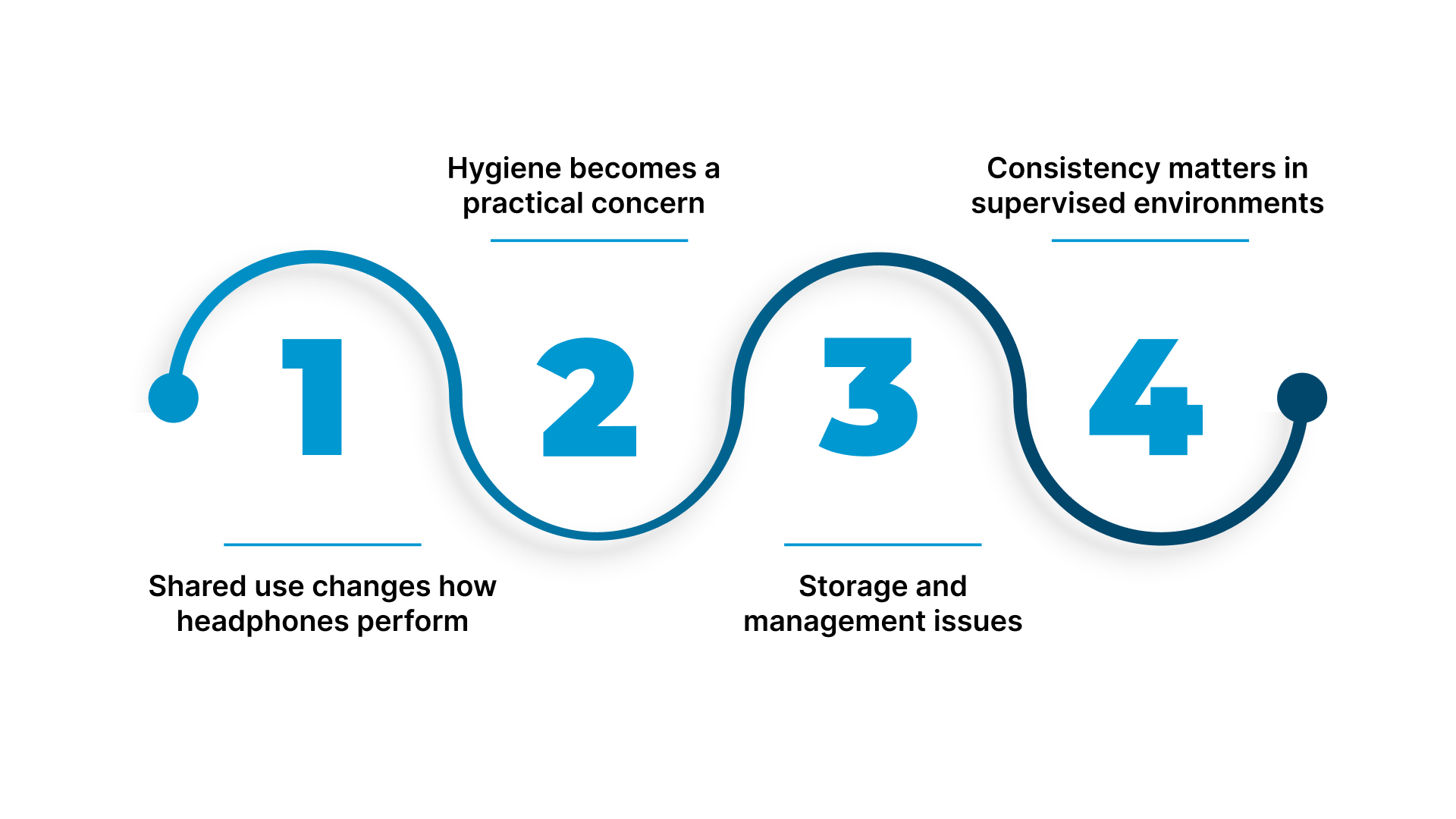
Most consumer headphones are designed for one person to own, use, and care for. In school libraries and other shared learning spaces, that assumption often breaks down. Headphones may be used by dozens of students in a single day, stored between uses, and expected to work without adjustment or troubleshooting.
Shared use changes how headphones perform
In a library setting, headphones are passed from student to student. Ear cushions, headbands, and cables experience far more wear than they would in personal use. Designs that work well for one owner often wear out quickly when shared across many users.
Hygiene becomes a practical concern
Consumer headphones are rarely designed with shared use in mind. Materials can be difficult to clean, and soft padding can absorb sweat or oils over time. In libraries and labs, maintaining basic hygiene standards becomes more challenging when headphones are not built for frequent cleaning.
Storage and management issues
School libraries often store headphones in carts, bins, or drawers. Headphones with long cables, delicate hinges, or complex controls are more likely to become tangled, damaged, or misplaced. Over time, this creates additional work for staff and increases replacement needs.
Consistency matters in supervised environments
Libraries and testing spaces rely on predictable equipment. If headphones vary widely in fit, volume, or connection type, it becomes harder to ensure a consistent experience for every student. Consumer headphones prioritize personal preference, which does not always align with supervised or standardized learning environments.
Because of these challenges, many schools look beyond consumer headphones when equipping libraries and shared classrooms.
For schools and libraries: Headphones designed for shared use can reduce breakage, simplify cleaning, and provide more consistent experiences for students. Brands like Scan Sound focus specifically on these environments.
What Are the Best Headphones for School Libraries and Shared Classrooms?
When headphones are shared across students and used every day in supervised environments, schools often need options designed specifically for that reality. Purpose-built educational headphones focus less on entertainment features and more on reliability, safety, and long-term usability.
Designed for shared school use
Headphones made for libraries and classrooms are built to withstand frequent handling, repeated storage, and daily use by multiple students. Reinforced headbands, durable cables, and simple controls help reduce breakage and downtime in busy school environments.
Easier hygiene and maintenance
In shared settings, headphones must be easy to clean between uses. Educational headphones typically use materials that can be wiped down quickly and do not trap moisture or debris, making routine cleaning more practical for library and classroom staff.
Consistent performance for supervised environments
Schools benefit from headphones that behave the same way every time they are used. Consistent volume levels, predictable connections, and straightforward designs make it easier for educators to manage classrooms, labs, and testing rooms without constant troubleshooting.
A purpose-built option for schools: Scan Sound
Scan Sound focuses on headphones designed specifically for schools, libraries, healthcare, and other shared-use environments. Rather than adapting consumer designs, Scan Sound builds headphones with durability, hygiene, and hearing safety in mind, making them well suited for libraries, computer labs, testing environments, and shared classroom setups.
Best suited for:
School libraries
Computer labs
Testing and assessment rooms
Shared classroom headphone carts
Explore Scan Sound headphones designed for shared school and library environments.
Also Read: Sharing of Headphones and Headsets Created a Need for Disposable Covers
How Can Middle School Students Use Headphones Safely?
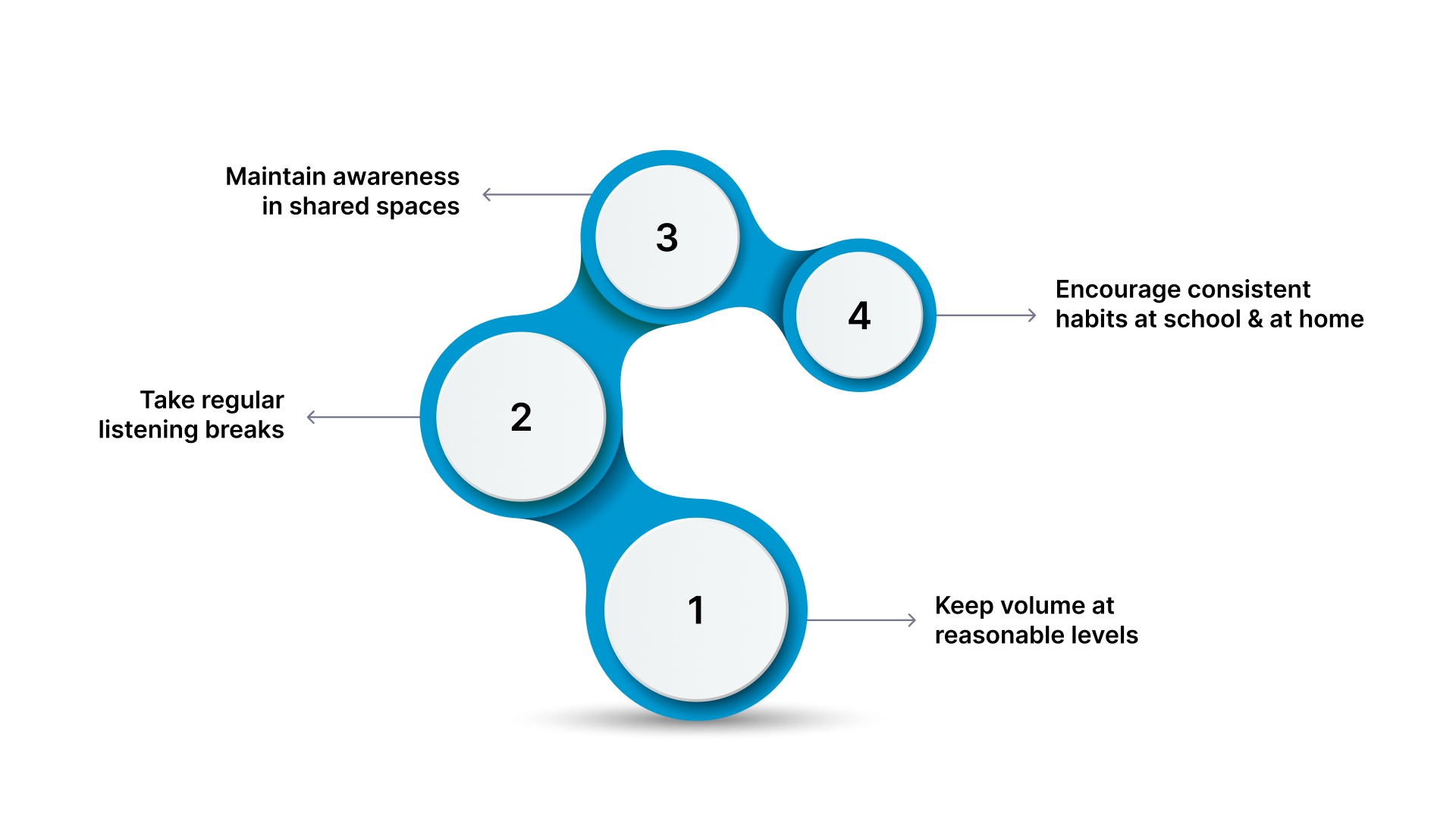
Headphones can support learning when used responsibly, but safe listening habits are especially important for middle school students. At this age, students are still developing awareness around volume and listening time, which makes guidance from parents and educators essential.
Keep volume at reasonable levels
Students should be able to hear audio clearly without turning the volume up excessively. If someone nearby can hear sound leaking from the headphones, the volume is likely too high. Encouraging moderate volume helps protect hearing over long school days.
Take regular listening breaks
Using headphones continuously for long periods can cause fatigue and discomfort. Short breaks between classes or activities give students’ ears time to rest and help maintain focus throughout the day.
Maintain awareness in shared spaces
In classrooms and libraries, students often need to hear instructions or announcements. Headphones should be used in a way that allows students to remain aware of their surroundings when necessary, especially during supervised activities.
Encourage consistent habits at school and at home
Safe listening practices are most effective when they are consistent. When parents and schools reinforce the same expectations around volume and headphone use, students are more likely to develop habits that carry over beyond the classroom.
Some educational headphone manufacturers, including Scan Sound, design headphones specifically to support hearing safety and classroom awareness in supervised school environments.
Final Thoughts
Choosing the best headphones for middle school students depends less on brand names and more on how the headphones will actually be used. For individual students, many well-known consumer brands offer comfortable and reliable options that work well for homework, school assignments, and personal devices.
For schools and libraries, the decision often looks different. Shared environments introduce challenges around durability, hygiene, storage, and consistency that most consumer headphones are not designed to handle. In these settings, purpose-built headphones created specifically for educational use can reduce maintenance issues, simplify management for staff, and provide a more reliable experience for students.
Companies like Scan Sound focus on designing headphones for these real-world school conditions, with an emphasis on shared use, hearing safety, and long-term reliability in classrooms, libraries, labs, and testing environments.
By considering whether headphones are meant for personal ownership or shared school use, parents and educators can make choices that support learning, protect equipment investments, and minimize disruptions throughout the school year.
For schools and libraries managing shared headphone use: Get guidance from Scan Sound on choosing the right headphones for your classroom or library environment
FAQs
Q: If the school uses headphone carts or shared storage, what should we prioritize?
A: Prioritize headphones that handle frequent handling and storage: tangle-resistant cables, simple controls, durable headbands, and consistent fit across students. Avoid overly complex consumer features (ANC modes, folding hinges, touch controls) that increase breakage and troubleshooting in supervised environments.
Q: Do students need a microphone for school headphones?
A: It depends on the workflow. If students use tools like Google Meet, language learning apps, read-aloud tools, or speaking assessments, a mic can help. For many library and testing environments, schools often choose no-mic or simplified mic designs to reduce breakage and misuse. Always match the headset type to the actual classroom requirements.
Q: What connector type matters most for school use (TRS vs TRRS)?
A: If the headphones include a microphone, make sure they use a TRRS plug (the common 4-pole 3.5mm connector) so audio + mic work correctly on Chromebooks and tablets. If the school only needs listening (no mic), a standard TRS headphone plug is usually fine and often more durable in shared-use settings.
Q: Are earbuds or over-ear headphones better for middle school students?
A: For most middle school learning environments, over-ear or on-ear headphones tend to be a better fit because they’re easier to manage, harder to lose, and typically more comfortable for longer sessions. Earbuds can work for personal use, but schools often avoid them for shared environments due to hygiene, fit variability, and loss rates.
Q: Why do many schools still prefer wired headphones over wireless?
A: Wired headphones are common in schools because they’re predictable: no charging, no pairing, fewer policy issues, and consistent performance across devices. Wireless headphones can introduce distractions, connection problems, and battery downtime especially when a class needs them at the same time.
Q: How do schools handle hygiene for shared headphones in libraries and labs?
A: Shared-use setups work best with wipeable materials, consistent cleaning protocols, and disposable headphone covers when headphones rotate between students. Purpose-built school headphones are often designed to be easier to wipe down and to support accessories that simplify hygiene compliance.