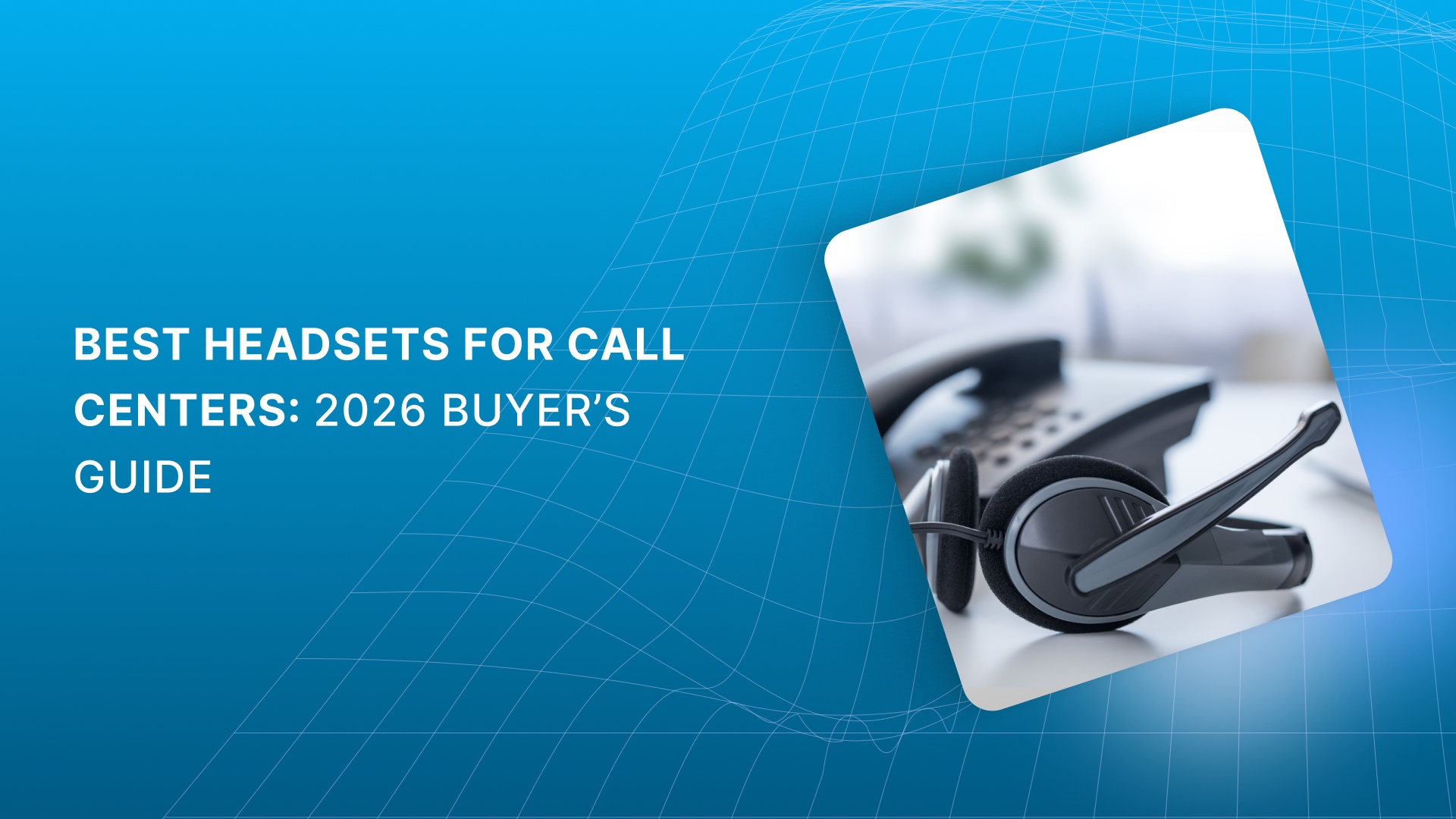
Call centers continue to be a central channel for customer service and support in 2026 as organizations adapt to hybrid work models and rising customer expectations. The global office and contact center headset market is forecast to grow by nearly $2.7 billion between 2025 and 2029, supported by rising demand for advanced communication tools in customer support and business environments. This growth reflects the increasing need for professional headsets that enhance productivity, comfort, and audio performance in high-volume and regulated support settings.
Alongside this broader trend, the specialized call center headset market is projected to increase to about $1.72 billion in 2026, indicating steady adoption of robust communication equipment across small, medium, and large contact centers worldwide.
As call centers evolve, choosing the right headset is no longer just a comfort decision. It directly affects agent performance, operational consistency, hygiene management, and long-term cost. This guide focuses on identifying the best headsets for call centers that operate in shared, regulated, or high-demand environments, where standard consumer or office headsets often fall short.
Key Takeaways
The best headsets for call centers depend on how they are used, not just brand or features. Shared, regulated, and high-demand environments require different headset priorities than individual agent setups.
Call centers operating with shared desks, multi-shift use, or compliance requirements need headsets built for durability, consistent audio performance, and easy cleaning.
Wireless headsets work well for individual agents with assigned equipment, but they often introduce challenges in shared environments due to charging, pairing, and inconsistent settings.
Wired or controlled headset solutions remain common in shared call centers because they offer predictable performance, reduced downtime, and easier IT management.
Hygiene and cleanability directly affect headset lifespan. Headsets made with wipeable materials last longer and reduce replacement frequency in shared-use settings.
Total cost of ownership matters more than upfront price. Cheaper headsets often cost more over time due to higher failure rates, replacements, and operational disruptions.
Consumer and office headsets are typically designed for personal ownership and often fail to meet the demands of regulated or shared call center environments.
Purpose-built solutions from Scan Sound are designed specifically for shared and regulated call centers, helping organizations improve reliability, extend equipment life, and maintain consistent call quality.
What Makes a Headset Suitable for Shared or Regulated Call Centers?
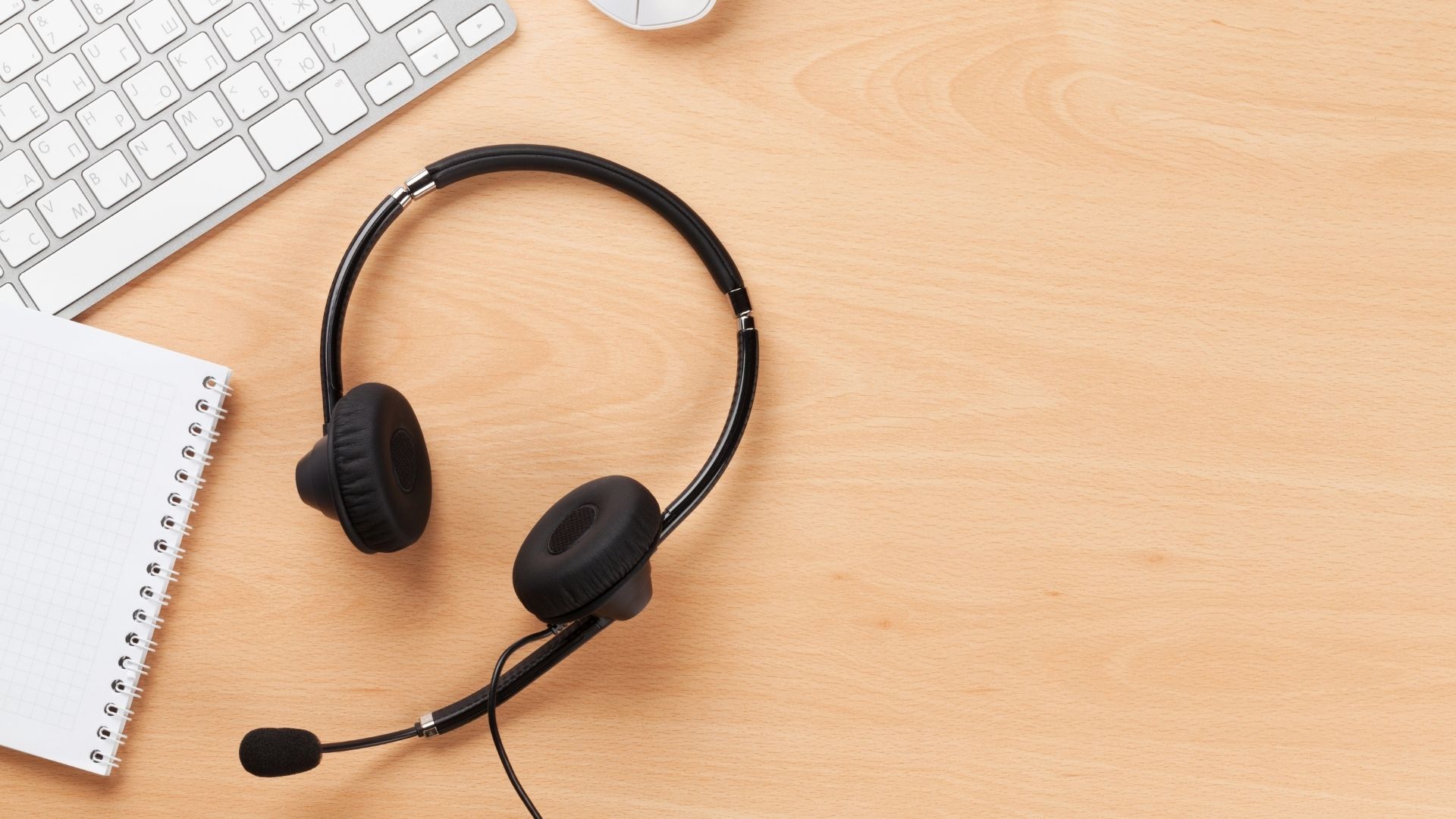
Not all call center headsets are built for the same type of environment. In shared or regulated call centers, headsets are often used across multiple shifts, handled by different agents, and expected to perform consistently under strict operational requirements. This changes what “best” actually means.
Built for shared daily use
Headsets in shared call centers must withstand frequent handling, repeated adjustments, and daily wear across multiple users. Lightweight consumer designs often fail in these conditions, while professional headsets prioritize reinforced headbands, durable cables, and long-term structural reliability.
Consistent audio and microphone performance
In regulated environments, consistency matters as much as clarity. Agents must be heard clearly without needing to adjust volume or microphone position between users. Predictable audio levels help support quality assurance, call monitoring, and compliance requirements.
Hygiene and cleanability
Shared headsets need to be easy to clean between users. Materials that can be wiped down quickly without absorbing moisture or oils help reduce hygiene concerns and extend the usable life of the equipment, especially in healthcare and public-facing call centers.
Support for supervision and awareness
Many regulated call centers require agents to remain aware of their surroundings or receive instructions while on calls. Mono or single-ear headset configurations are often preferred in these settings to support training, supervision, and real-time communication.
Reliable connectivity in fixed environments
While wireless mobility is valuable, shared call centers often prioritize connection stability over freedom of movement. Headsets must maintain reliable performance across long shifts without frequent pairing issues, battery interruptions, or downtime.
Understanding these requirements helps explain why standard consumer or office headsets often fall short in shared and regulated call center environments. In the next section, we look at which types of organizations face these challenges most often and how their needs differ from typical individual-agent setups.
Top Headsets for Shared and Regulated Call Centers
Not all call center headsets are designed for shared desks, multi-shift use, or regulated environments. The following list ranks headsets based on durability, hygiene, consistency, and supervision support, which are critical in healthcare, finance, government, and high-compliance call centers.
1. Scan Sound
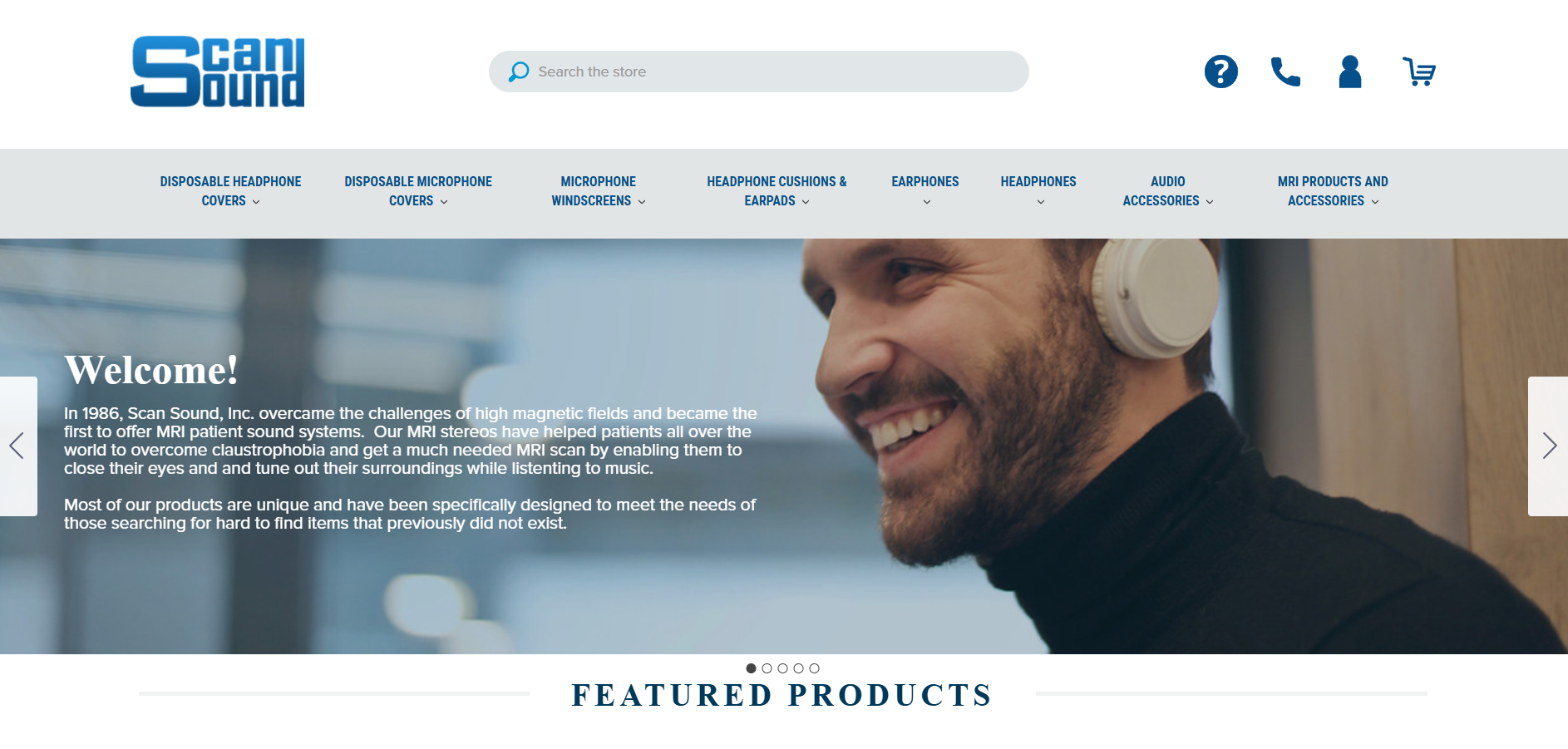
Best overall for shared and regulated call centers
Scan Sound focuses on building headsets for environments where standard consumer or office headsets often fail. Rather than adapting products meant for individual ownership, Scan Sound designs headsets for shared use in professional and institutional settings, including call centers that operate under regulatory or compliance requirements.
Why Scan Sound is the best choice for these environments
Designed for shared use: Scan Sound headsets are built to handle frequent handling and repeated adjustments without compromising performance. This makes them well suited for call centers with hot desking, rotating shifts, or high agent turnover.
Consistent audio performance: Shared environments require predictable microphone and audio levels between users. Scan Sound headsets are designed to deliver reliable clarity without constant readjustment, supporting quality assurance and monitored call workflows.
Hygiene focused materials: In regulated call centers, cleanability is a practical requirement. Scan Sound uses materials that can be wiped down between shifts, helping reduce hygiene concerns and extend equipment lifespan.
Support for supervision and awareness: Many regulated call centers prefer mono or single-ear configurations that allow agents to remain aware of their surroundings. Scan Sound offers headset designs that support training, supervision, and real-time communication without isolating the user.
Built for long-term operational value: Rather than prioritizing short-term features, Scan Sound headsets are designed to reduce replacement cycles, minimize downtime, and support consistent performance over time.
Best suited for
Shared call center workstations
Healthcare and clinical support centers
Financial and compliance-driven call operations
Government and public service contact centers
Training and supervision-heavy environments
Explore headset options designed for shared and regulated call center environments.
2. Poly (Plantronics)
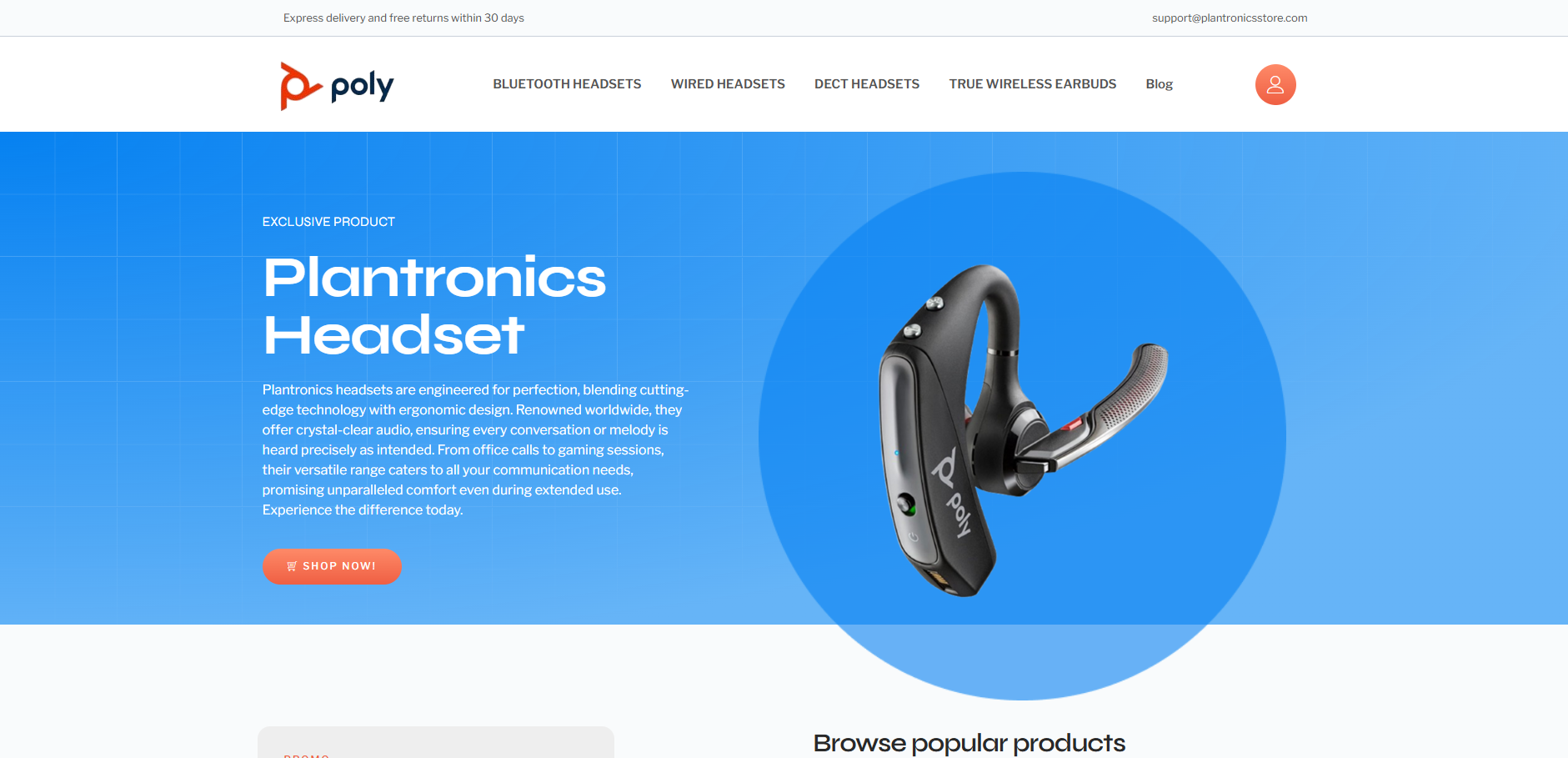
Best for individual agents in structured enterprise setups
Poly headsets are widely used in enterprise call centers with assigned seating. They offer strong microphone performance and UC compatibility, but are primarily designed for individual ownership rather than shared use.
Best for:
Assigned desks
UC-focused enterprise teams
3. Jabra
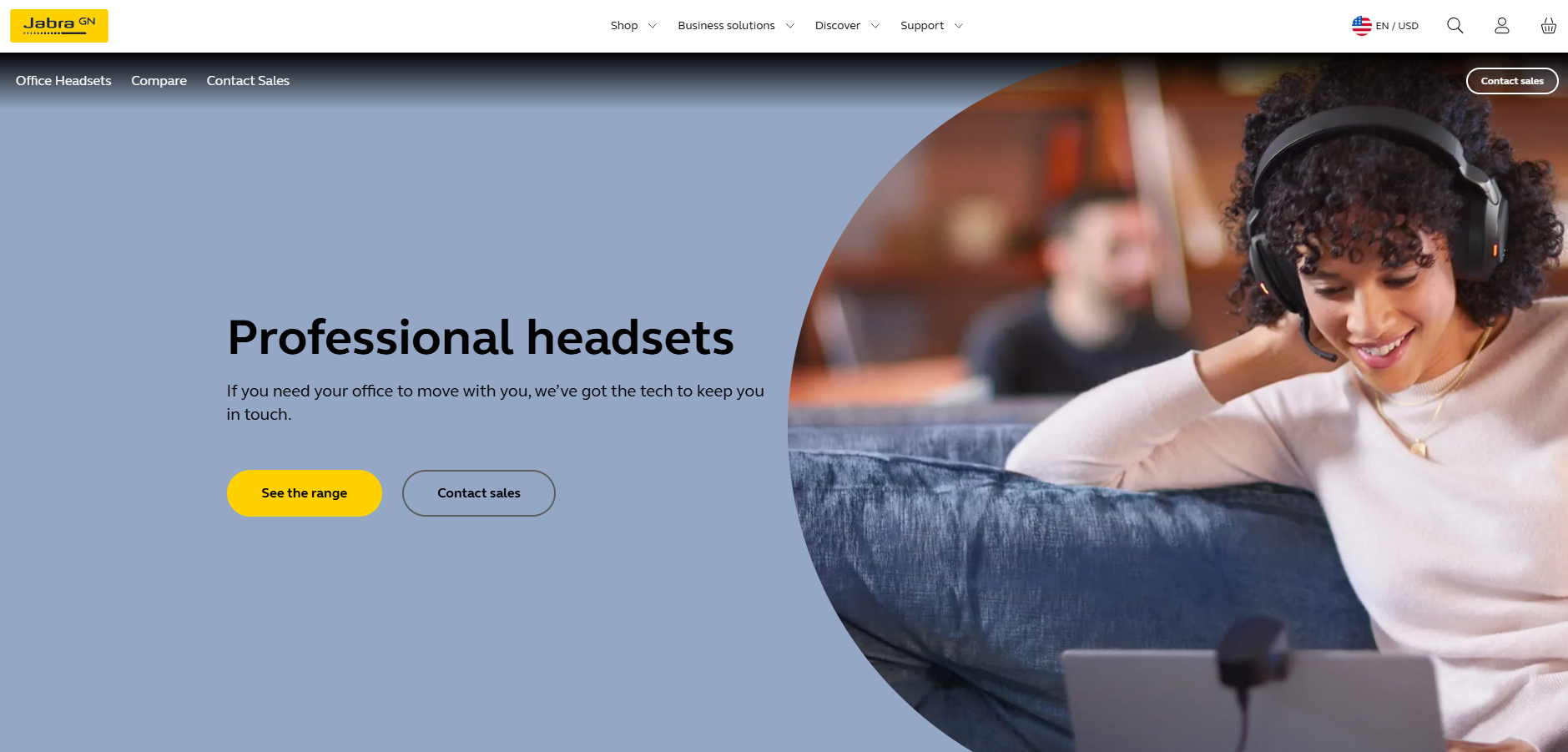
Best for wireless mobility and hybrid agents
Jabra headsets are popular in modern call centers that prioritize wireless freedom and comfort. They work well for individual agents, though hygiene and shared-use durability are more limited.
Best for:
Hybrid or remote call center agents
Individual headset assignment
4. EPOS (Sennheiser)
Best for audio clarity in quieter environments
EPOS headsets deliver excellent sound quality and comfort for long calls. They are better suited to personal use rather than high-turnover or shared call center environments.
Best for:
Individual agents
Audio-focused support teams
5. Logitech
Best for software-first call center environments
Logitech headsets integrate well with modern UC platforms and cloud-based call systems. They are commonly used for personal agent setups rather than shared or regulated operations.
Best for:
Software-based contact centers
Individually assigned headsets
Wired vs Wireless Headsets in Shared Call Centers
Wireless headsets have become common in modern call centers, especially for individual agents and hybrid teams. However, in shared or regulated call center environments, the decision between wired and wireless is less about convenience and more about reliability, consistency, and control.
When wireless headsets work well
Wireless headsets are often a good fit in call centers where headsets are assigned to individual agents and used primarily by the same person each day. They offer freedom of movement, reduce cable wear, and support flexible desk layouts.
Wireless headsets tend to work best when:
Agents have assigned desks or personal equipment
Headsets are not shared between shifts
Charging and pairing can be managed by the individual user
Mobility during calls is a priority
In these environments, the benefits of wireless flexibility often outweigh the added complexity.
Where wireless headsets create challenges in shared environments
In shared call centers, wireless headsets introduce operational issues that are easy to overlook during purchasing but costly over time. Battery-dependent equipment can interrupt shifts if headsets are not charged properly between users. Pairing issues and mismatched dongles can slow down agent logins and increase IT support requests.
Other common challenges include:
Inconsistent volume or microphone settings between users
Lost or damaged wireless components
Downtime caused by charging or battery degradation
Difficulty maintaining hygiene when headsets are shared frequently
These issues become more pronounced in regulated environments where consistency and uptime are critical.
Why many shared call centers still rely on wired or controlled solutions
Wired headsets remain widely used in shared call centers because they offer predictable performance. They connect instantly, do not rely on batteries, and behave the same way regardless of who is using them. For supervisors and IT teams, this consistency reduces troubleshooting and helps maintain smooth operations across shifts.
Controlled wireless solutions can also work when they are designed specifically for shared use, with simplified pairing and stable connectivity. In these cases, the focus is on reliability rather than mobility.
Compare stereo and mono headset configurations commonly used in shared call center setups.
What matters more than wired versus wireless
In shared and regulated call centers, the most important factors are not whether a headset is wired or wireless, but whether it supports the realities of the environment. Stability, consistent audio performance, ease of cleaning, and long-term reliability often matter more than freedom of movement.
This is why many shared call centers choose headset solutions designed specifically for multi-user environments, including options from Scan Sound, which prioritize operational consistency and durability over consumer-style wireless features.
How Hygiene and Cleaning Affect Headset Lifespan
In shared call center environments, hygiene is not just a comfort issue. It directly affects equipment lifespan, agent adoption, and operational risk. Headsets that are difficult to clean or made with absorbent materials tend to degrade faster and are more likely to be taken out of rotation early.
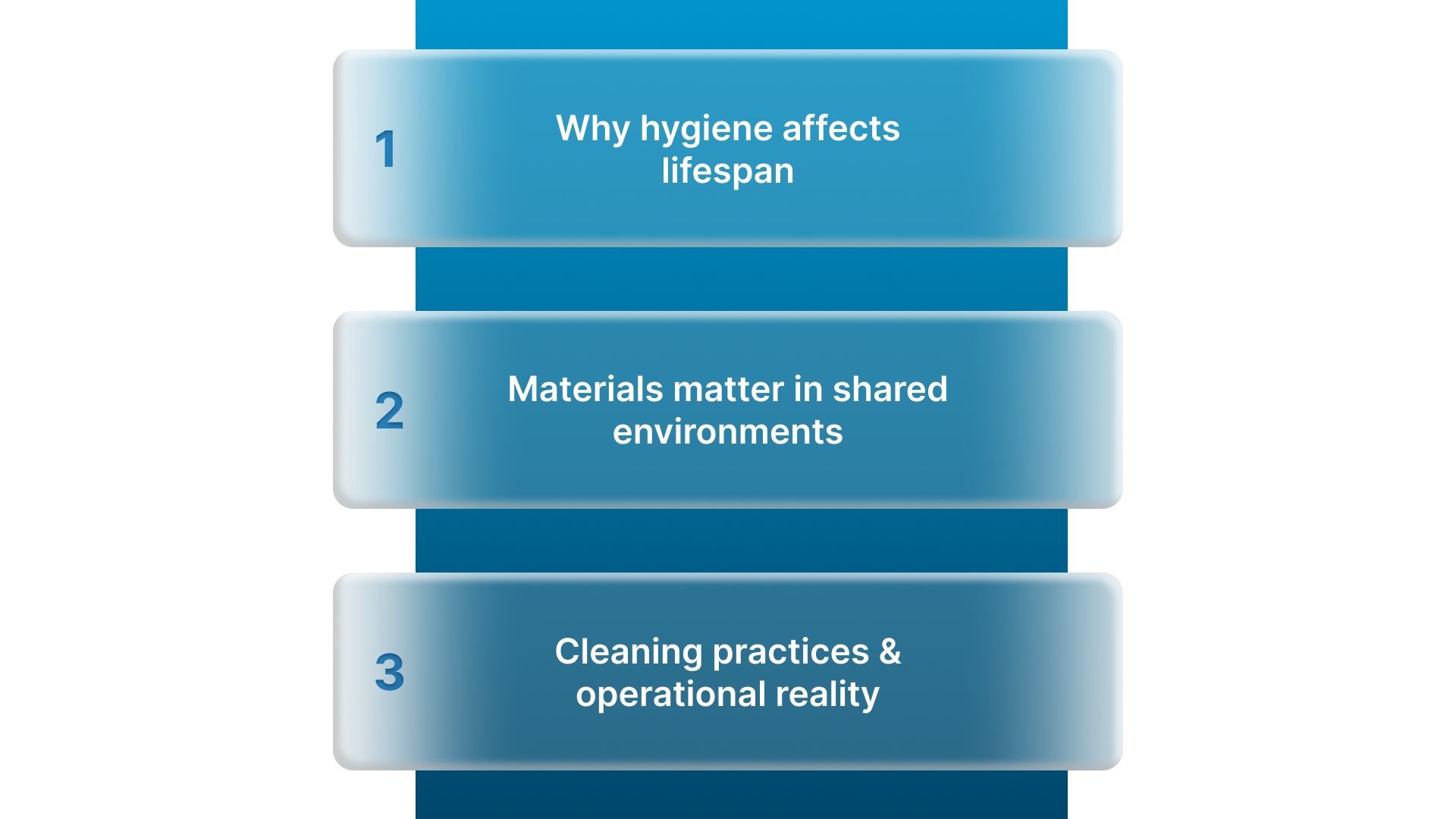
Why hygiene affects lifespan
When headsets are shared across shifts, ear cushions and headbands are exposed to sweat, oils, and frequent handling. Soft consumer materials can absorb moisture over time, leading to odor, material breakdown, and discomfort. Once this happens, headsets are often replaced even if the electronics still function.
Materials matter in shared environments
Headsets designed for shared use typically rely on wipeable surfaces and materials that tolerate regular cleaning. This allows staff to sanitize equipment between users without damaging the headset or shortening its usable life. Over time, easier cleaning directly translates into fewer replacements.
Cleaning practices and operational reality
In busy call centers, cleaning must be fast and practical. If sanitizing a headset is time-consuming or requires special handling, it is less likely to be done consistently. Headsets designed with hygiene in mind support simple wipe-down routines that fit naturally into shift changes.
This focus on cleanability is one reason shared and regulated environments often choose purpose-built solutions such as those from Scan Sound, where material selection and durability are designed around repeated cleaning and reuse. Replacing ear cushions and covers can extend headset lifespan in shared call centers.
How Much Do Call Center Headsets Really Cost Over Time?
The upfront price of a headset is only one part of the cost equation for call centers. In shared and regulated environments, total cost of ownership is a far more accurate way to evaluate long-term value.
Why cheaper headsets often cost more
Lower-cost headsets may seem appealing during procurement, but they often fail sooner due to fragile components, cable wear, or hygiene-related degradation. Frequent replacements increase both direct costs and indirect costs, such as downtime, reconfiguration, and staff frustration.
Factors that affect total cost of ownership
When evaluating headsets for shared call centers, teams should consider:
Expected lifespan under multi-shift use
Replacement frequency for ear cushions or cables
Downtime caused by failures or pairing issues
IT and support time spent troubleshooting
Consistency of performance across users
Headsets that last longer and require less intervention often deliver better value even if their initial cost is higher.
Long-term value in regulated environments
In regulated call centers, consistency and reliability reduce risk. Equipment that performs predictably and lasts longer helps maintain service levels, simplifies audits, and reduces the operational noise caused by frequent equipment changes.
Call centers managing tight budgets often review value-focused or close-out headset options.
Common Mistakes Call Centers Make When Buying Headsets
Many call centers run into problems not because they choose the wrong brand, but because they apply the wrong buying criteria to their environment. These mistakes often lead to higher costs and operational friction over time.
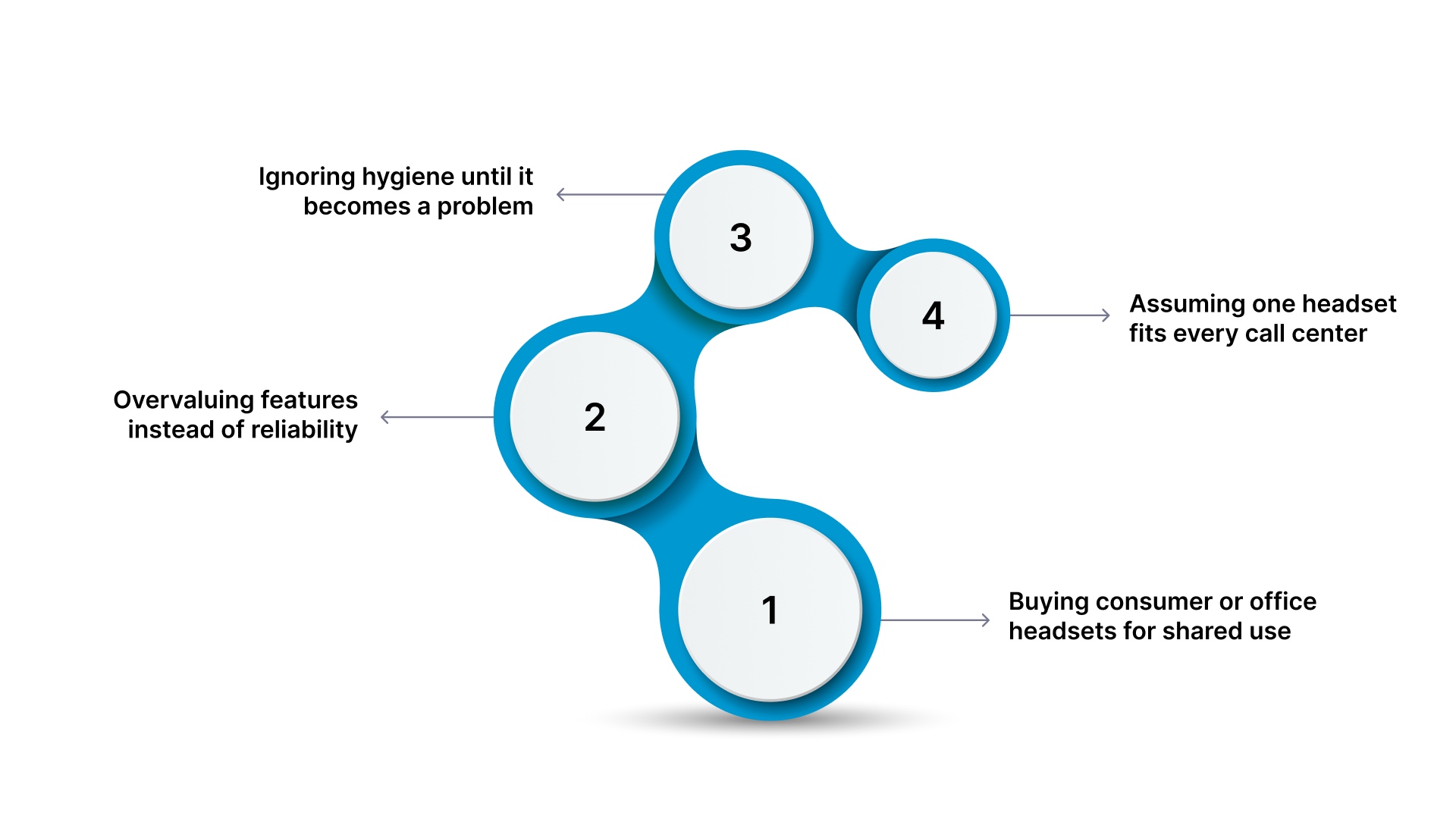
Buying consumer or office headsets for shared use
Headsets designed for personal ownership are rarely suited for shared desks. They tend to wear out faster, are harder to clean, and create inconsistencies between users. What works for one agent does not always scale to an entire call center.
Overvaluing features instead of reliability
Advanced features and wireless flexibility can look attractive on paper, but they do not always translate into better performance in shared environments. Reliability, consistent audio, and ease of use are often more important than feature depth.
Ignoring hygiene until it becomes a problem
Hygiene is frequently overlooked during purchasing and addressed only after issues arise. By that point, equipment may already be deteriorating or underutilized. Planning for cleanability from the start helps avoid premature replacements.
Assuming one headset fits every call center
Different call centers operate under different constraints. Shared desks, compliance requirements, supervision needs, and shift structures all influence what type of headset works best. Applying a one-size-fits-all approach often leads to poor outcomes.
Avoiding these common mistakes starts with matching headset selection to real operational conditions rather than trends or marketing claims. Headsets designed specifically for shared use can help avoid common call center equipment issues.
Final Thoughts
Choosing the best headsets for call centers depends less on trends or feature lists and more on how the equipment will actually be used day to day. For individual agents with assigned desks, many enterprise wireless headsets can work well. In shared and regulated call center environments, the requirements are different and far more demanding.
Shared desks, multi-shift use, hygiene expectations, and compliance requirements place unique pressure on headset performance and longevity. In these settings, durability, cleanability, consistent audio, and operational reliability often matter more than wireless range or personalization features. Headsets that are not designed for these realities tend to wear out faster, create inconsistencies between users, and increase long-term costs.
This is why many healthcare, government, financial, and high-compliance call centers choose purpose-built solutions from Scan Sound. Scan Sound focuses on headsets designed specifically for shared and regulated environments, helping organizations reduce downtime, extend equipment life, and maintain consistent call quality across teams.
For call center managers, IT teams, and procurement leaders: Talk to Scan Sound about whether your call center environment is better suited for shared-use or individual headsets.
FAQs
Q: What are the best headsets for call centers in 2026?
A: The best headsets for call centers in 2026 are those designed for all-day voice use, consistent call quality, and long-term reliability. In shared or high-volume call centers, headsets built specifically for professional environments tend to perform better than consumer or office models.
Q: Are wired or wireless headsets better for call centers?
A: Both can work, but it depends on how the call center operates. Wireless headsets are popular for agents with assigned desks, while wired headsets remain common in shared or multi-shift call centers because they offer consistent performance without charging or pairing issues.
Q: Should call centers use mono or stereo headsets?
A: Many call centers use mono (single-ear) headsets so agents can remain aware of supervisors and their surroundings. Stereo headsets may be preferred in louder environments where agents need more isolation. The best choice depends on supervision needs and floor layout.
Q: What features matter most in a call center headset?
A: The most important features are clear voice reproduction, a reliable noise-reducing microphone, comfort for long shifts, and durability. In busy call centers, consistency and reliability often matter more than advanced or entertainment-focused features.
Q: Why do call centers avoid consumer headphones?
A: Consumer headphones are typically designed for personal use, not continuous daily calling or shared environments. They often wear out faster, are harder to clean, and can create inconsistent audio experiences across agents, which affects call quality and operations.