It is no new knowledge that unsafe listening practices have become a global concern. Through its Making Listening Safe initiative, the World Health Organization (WHO) warns that over 1 billion young people are at risk of permanent, avoidable hearing loss due to prolonged exposure to loud sounds. One key factor contributing to this issue is loud background noise, which often prompts people to increase their headphones' volume to hear music, calls, or content clearly.
As noise levels rise in homes, workplaces, and public spaces, noise-reduction headphones offer a practical way to mitigate this risk. By reducing unwanted background noise rather than increasing volume, they support clearer listening and safer audio habits in daily use.
This guide explains how do noise reduction headphones work, breaking down the technology in simple terms. You will learn the difference between passive and active noise reduction, how sound waves cancel noise, and how to choose the right pair accordingly.
Key Takeaways
Noise reduction headphones help protect hearing by lowering background noise instead of increasing volume. With over 1 billion young people at risk of hearing loss due to unsafe listening, reducing ambient noise allows listeners to hear clearly at safer volume levels.
They work using two main methods: passive and active noise reduction. Passive noise reduction blocks sound through physical design, like ear cups and padding, while active noise cancellation (ANC) uses microphones and sound processing to cancel steady background noise electronically.
Noise-canceling headphones work best in environments with steady, predictable noise. Places like airplanes, trains, offices, libraries, and homes with ambient hum benefit the most, while sudden or irregular sounds like nearby conversations are harder to cancel.
Choosing the right headphones and accessories improves comfort, clarity, and long-term use. Factors like battery life, comfort, and use case matter, and accessories such as ear cushions, adapters, disposable covers, and microphone windscreens from Scan Sound help enhance overall performance and hygiene.
A Look into Noise Reduction Headphones
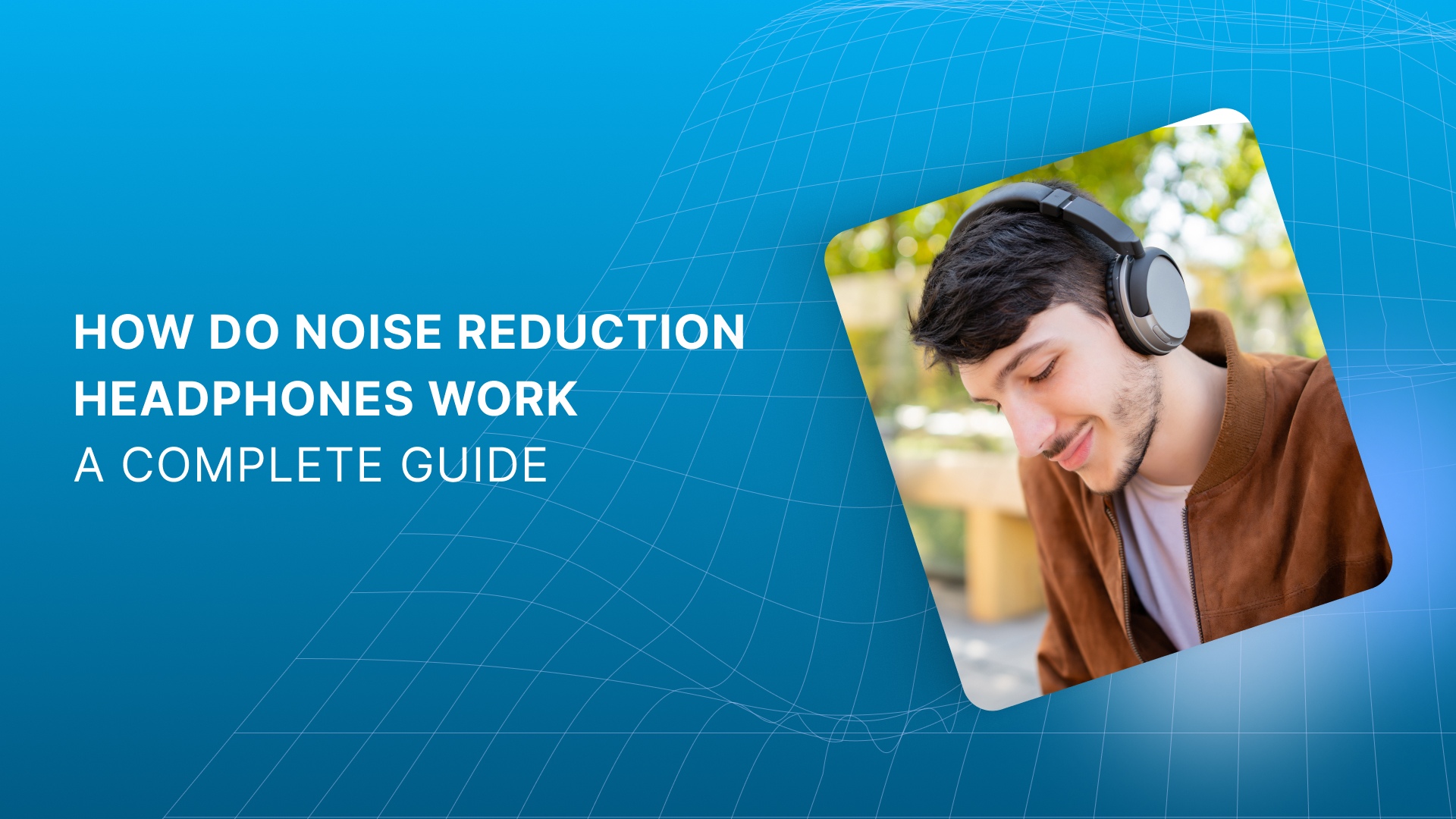
Noise reduction headphones are designed to reduce unwanted background sound so you can hear music, calls, or instructions more clearly. They do this by limiting how much external noise reaches your ears, which improves focus and listening comfort across everyday settings like workspaces, homes, travel, and shared environments.
A common point of confusion is how noise reduction actually works. Many people assume all noise-canceling headphones use the same technology, but there are two distinct approaches: passive noise reduction and active noise reduction. Each works differently and serves different listening needs.
Passive Noise Reduction
Passive noise reduction relies on physical design rather than electronics. The ear cups, padding, and overall fit act as barriers that block external sound waves from entering the ear. This type of noise reduction works best for mid- to high-frequency sounds, such as voices or nearby activity, and does not require any power source.
Active Noise Reduction (ANC)
Active Noise Reduction uses built-in microphones and electronic processing to reduce noise. These microphones detect incoming ambient sound, and the headphones generate an opposite sound wave to cancel it before it reaches your ear. ANC is especially effective at reducing low, steady sounds like engine hums, HVAC noise, or background machinery.
Many modern headphones combine both methods, using passive isolation for physical blocking and ANC for electronic cancellation. This hybrid approach delivers more consistent noise reduction across different environments.
Now that you know the types of noise reduction, it is time to break down how the technology actually works step by step.
Suggested Read: Safely Share Headphones by using Disposable Covers
How Noise Reduction Headphones Cancel Noise: Step-by-Step Breakdown
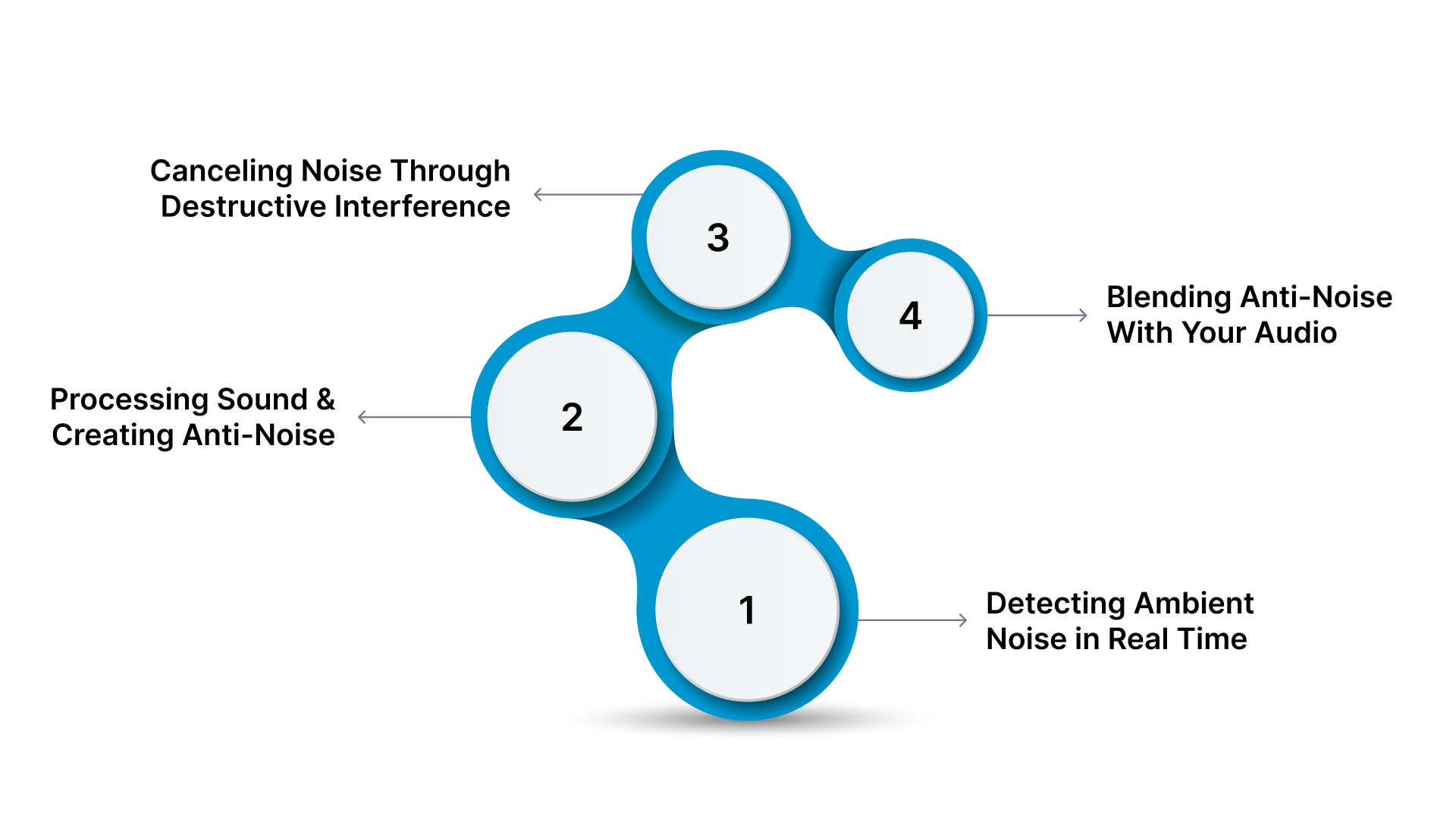
Noise reduction headphones rely on a precise, multi-stage process to reduce unwanted sound before it reaches your ears. Each step plays a specific role in ensuring clear, comfortable listening without affecting audio quality.
Step 1: Detecting Ambient Noise in Real Time
Tiny microphones built into the headphones continuously monitor the surrounding environment. These microphones pick up external sounds such as background chatter, airflow, or mechanical hums before they reach your ears. This real-time detection is critical for accurate noise reduction, especially in changing environments.
Step 2: Processing Sound and Creating Anti-Noise
Once the ambient noise is detected, the headphone’s internal processor analyzes the sound waves. It then generates an inverted version of that noise, often referred to as “anti-noise.” This inversion mirrors the original sound wave but flips its phase, preparing it for cancellation.
Step 3: Canceling Noise Through Destructive Interference
The anti-noise wave meets the original ambient noise wave just before it reaches your ear. When these two opposing sound waves collide, they neutralize each other through a process called destructive interference. This interaction significantly reduces the perceived volume of unwanted background sounds.
Step 4: Blending Anti-Noise With Your Audio
At the same time noise is being canceled, your music, calls, or audio content play normally. The headphones carefully balance anti-noise with your chosen sound so clarity remains intact. This ensures the listening experience feels natural, not artificial or distorted.
Now that you understand how noise reduction headphones work behind the scenes, let’s look at the real-world benefits they deliver in everyday use.
Suggested Read: Why are Disposable Covers Used on Headphones and Headsets?
Key Benefits of Noise Reduction Headphones
Noise reduction headphones offer more than just quieter listening. They improve how you work, listen, and communicate across different environments by reducing unwanted sound at the source.
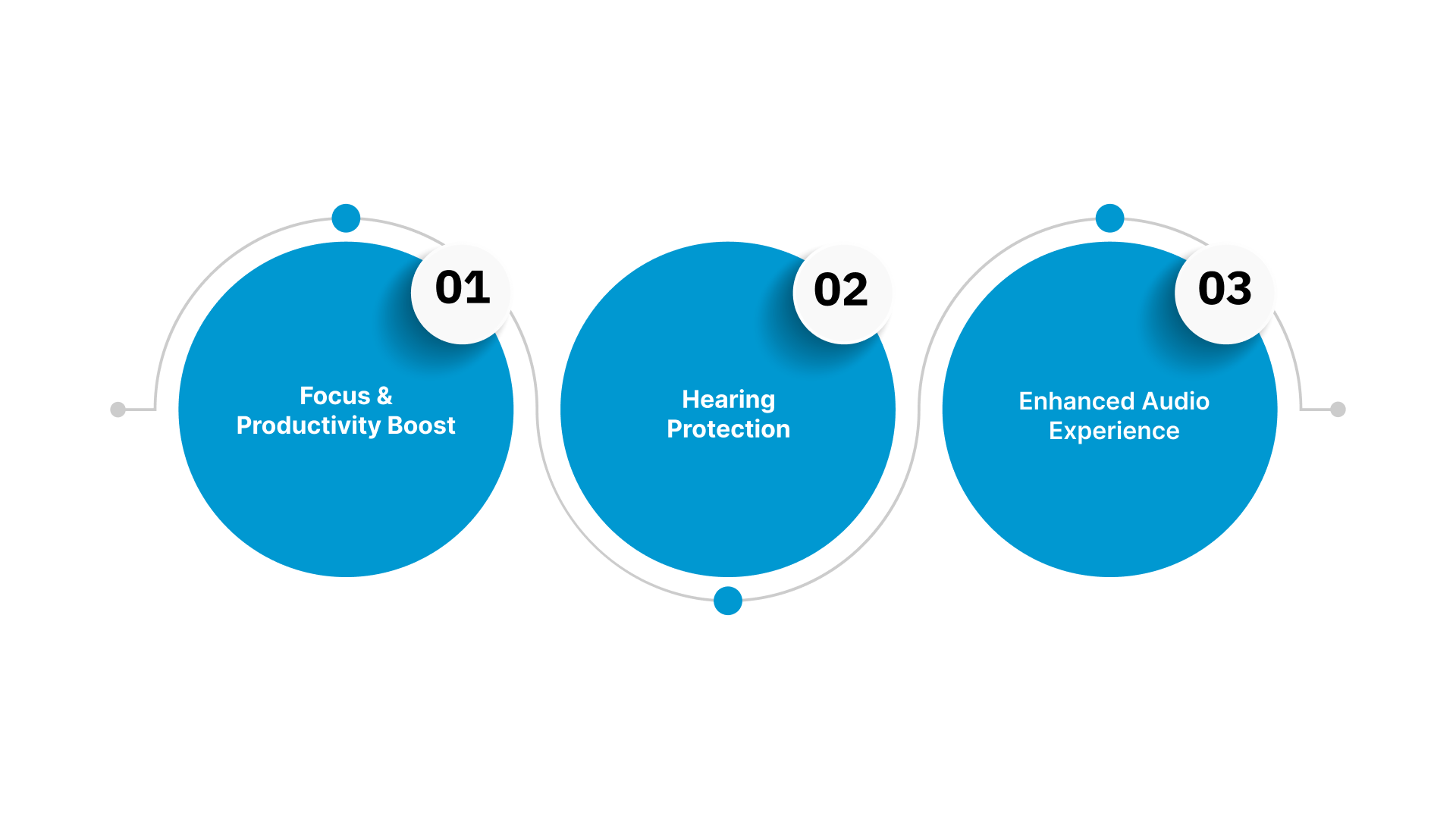
Focus and Productivity Boost
By minimizing background noise, these headphones help you concentrate on tasks without constant interruptions. Whether you are working, studying, or traveling, reduced noise makes it easier to stay focused for longer periods. Fewer distractions often lead to better task completion and less listening fatigue.
Hearing Protection
Noise reduction headphones support safer listening habits. Because external noise is lowered, you do not need to raise volume levels to hear clearly. According to audio experts, listening at lower volumes reduces long-term strain on your ears and lowers the risk of hearing damage caused by prolonged exposure to loud sound.
Enhanced Audio Experience
With less interference from surrounding noise, music, podcasts, and calls sound clearer and more detailed. Noise reduction allows listeners to hear subtle audio elements that are often lost in noisy environments, resulting in cleaner sound and more natural conversations.
Where Do Noise-Canceling Headphones Work Best?
Noise-canceling headphones do not perform the same in every environment. Their effectiveness depends on the type of background noise you are trying to reduce. These headphones work especially well in places with consistent, predictable sounds, where active noise cancellation (ANC) can accurately track and cancel background noise.
Here are the settings where noise-canceling headphones tend to deliver the most noticeable difference:
Airplanes and Airports: Constant engine hum and cabin noise make this one of the best use cases for ANC. The steady sound pattern allows the headphones to create anti-noise that effectively quiets the environment.
Trains, Buses, and Subways: Mechanical rumble, track noise, and steady background sounds are easier for ANC to cancel out, making travel more comfortable and less tiring.
Office Environments: In open offices or shared spaces, continuous sounds like air conditioners, office machines, and keyboard clicks are reduced, helping you concentrate.
Study Zones and Libraries: While total silence isn’t always achievable, reducing consistent low-level noise improves focus and minimizes distraction.
Home with Ambient Noise: Background fan hum, distant traffic, or household appliances often fall into the frequency range that ANC handles well.
However, noise-canceling headphones are less effective in environments with sudden, irregular sounds, like people talking nearby or intermittent alerts. These unpredictable noises do not produce stable sound patterns, making it harder for ANC to generate matching anti-noise.
This means you’ll notice the biggest benefit in places with steady background sound, not chaotic or highly variable noise.
Great so far, right? But not all noise reduction headphones are made equal. Here’s how to choose wisely.
How to Choose the Right Noise Reduction Headphones
Not all noise reduction headphones deliver the same experience. Choosing the right pair depends on how and where you plan to use them, along with the features that matter most for daily comfort and performance.
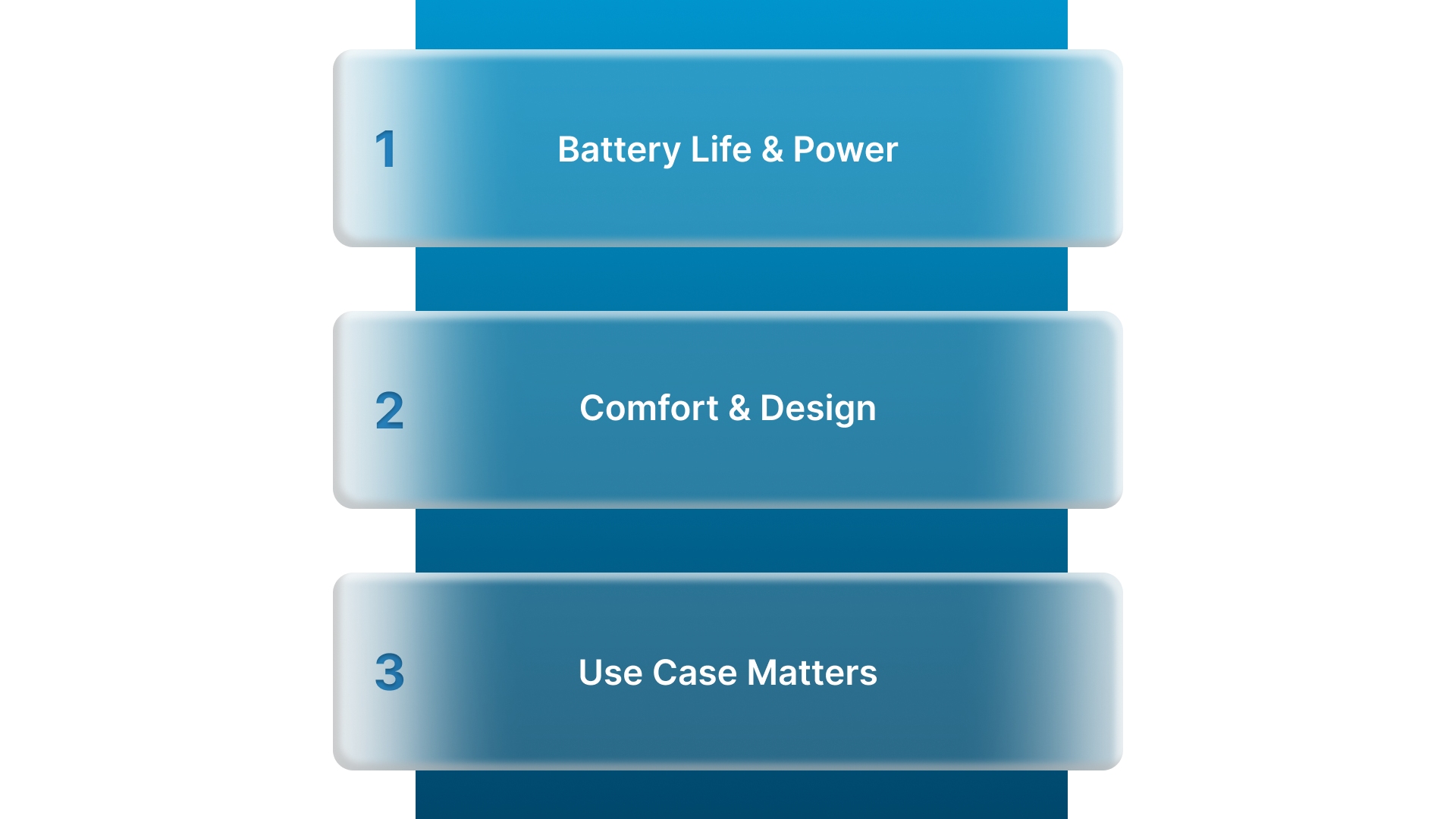
Battery Life and Power
Active noise reduction relies on built-in electronics, which means battery life plays a key role. Headphones with longer battery capacity support extended listening without frequent recharging. If you use noise reduction for long work sessions or extended travel, consistent power performance becomes especially important.
Comfort and Design
Comfort directly affects how long you can wear your headphones. Well-padded ear cups, lightweight materials, and an ergonomic fit reduce pressure on the ears and head. A secure yet comfortable design helps prevent fatigue during prolonged use, especially in quiet or focused environments.
Use Case Matters
Your primary use should guide your choice. Travel-focused headphones often prioritize strong low-frequency noise reduction, while office or study settings benefit from balanced sound and all-day comfort. Gaming and calls may require clear microphone performance and precise audio tuning.
Quick Selection Workflow
If you’re in steady n oise (travel/HVAC/engines): prioritise strong ANC + battery life.
If you’re in shared spaces (office/training/labs): prioritise comfort + microphone clarity + hygiene accessories.
If you mainly hear voices nearby: prioritise passive isolation (seal/earcups) over “ANC-only” marketing.
Once you know what features to prioritize, it helps to look at trusted audio brands and accessories that support long-term listening comfort and performance. If you want quality sound gear with reliable performance, keep reading—we have got something to spotlight.
Why Scan Sound Is a Smart Add-On for Noise Reduction Headphones
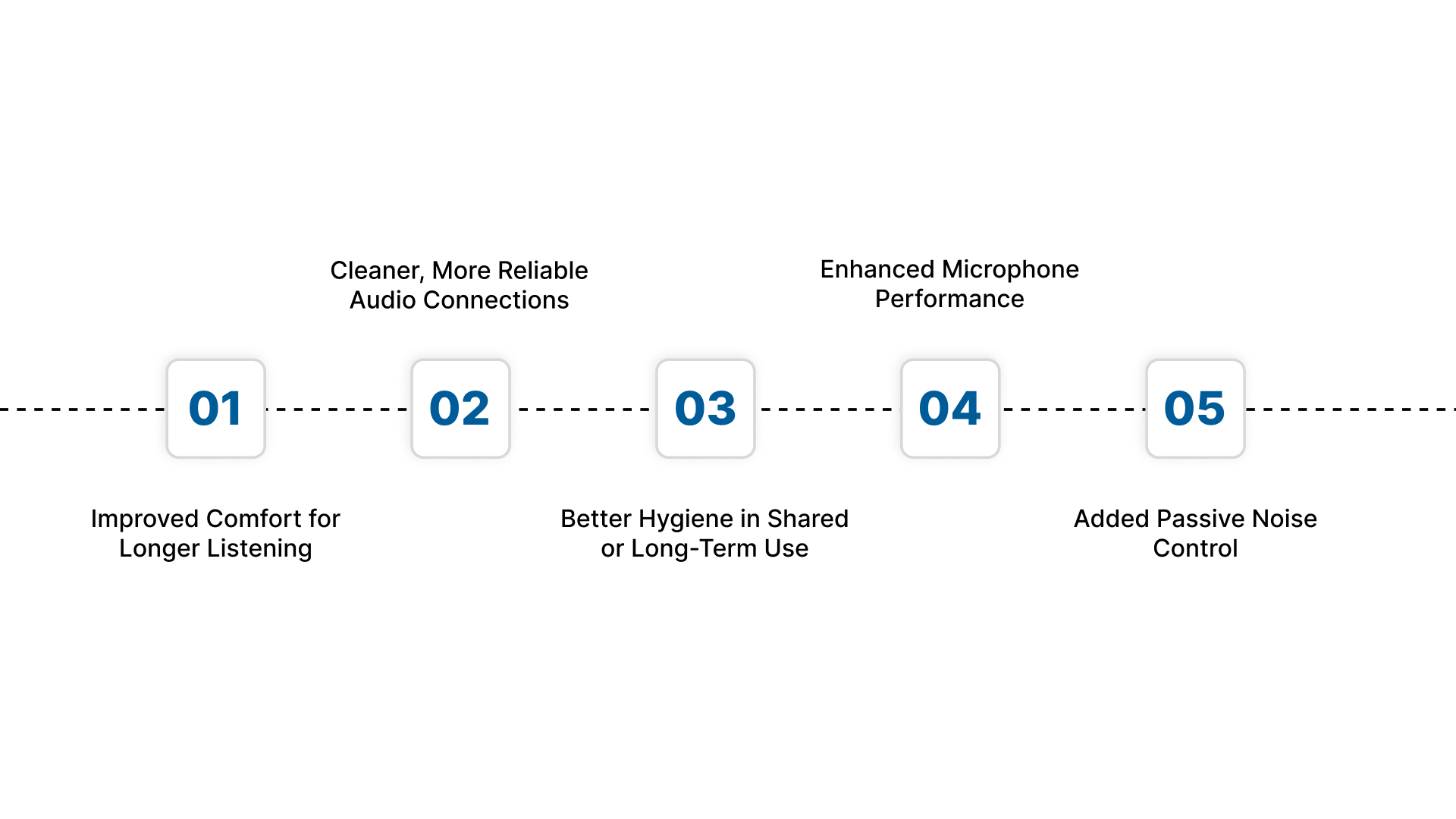
Noise reduction headphones perform best when paired with high-quality supporting hardware. Scan Sound focuses on audio accessories that improve comfort, hygiene, and sound consistency, which directly complements how noise reduction systems work in real life.
Here’s how Scan Sound products support and enhance noise-reducing headphones:
Improved Comfort for Longer Listening
Well-fitted ear cushions strengthen passive noise isolation and reduce pressure on the ears, which helps noise reduction systems work more effectively.
Cleaner, More Reliable Audio Connections
Stable cables and adapters help preserve signal quality, ensuring that anti-noise processing and audio playback remain balanced and distortion-free.
Better Hygiene in Shared or Long-Term Use
Disposable headphone covers help maintain cleanliness without affecting sound quality or noise reduction performance.
Enhanced Microphone Performance
For calls and voice clarity, microphone windscreens reduce unwanted airflow noise, supporting clearer communication when using noise reduction headphones.
Added Passive Noise Control
Comfortable padding and properly sealed accessories improve physical sound blocking, which works alongside active noise reduction for better overall results.
If you want more comfort and durability, explore Scan Sound’s headphone accessories built for everyday listening. To refine your setup, check out Scan Sound’s cushions, adapters, and hygiene solutions that support clearer, more consistent audio.
Suggested Read: MRI Headphones: Your Guide to a Quieter Scan
Conclusion
Noise reduction headphones use a combination of smart design and sound technology to limit unwanted noise and improve listening clarity. By understanding how do noise reduction headphones work, it becomes easier to see why features like signal processing and sound wave cancellation matter in everyday use.
As a result, you can make more informed buying decisions, avoid unnecessary features, and focus on what actually improves sound quality and comfort over time. The right setup does not stop with the headphones alone. Accessories that improve fit, hygiene, and audio stability play an important role in overall performance.
This is where Scan Sound comes in with a broad range of audio accessories, including disposable headphone covers, microphone windscreens, and premium ear cushions designed for long-term comfort and cleaner sound. Contact us today to get more value, comfort, and consistency from your noise reduction headphones every day.
FAQs
How effective are noise reduction headphones at blocking noise?
Noise reduction headphones are highly effective at reducing steady, low-frequency sounds such as engine hum, air conditioning, or background machinery. Active noise reduction works best on consistent noise patterns, while sudden or irregular sounds may still be partially audible. This means you will experience a noticeably quieter environment, but not complete silence.
Can noise-canceling headphones damage your ears?
Noise-canceling headphones do not damage your ears when used correctly. In fact, they can support safer listening because you do not need to increase volume to overcome background noise. Hearing specialists recommend keeping volume at moderate levels and taking breaks during long listening sessions to reduce ear fatigue.
Do noise reduction headphones work on voices?
Noise reduction headphones are less effective at canceling voices compared to steady background noise. Voices are irregular and constantly changing in pitch and rhythm, making them harder to cancel electronically. While voices may sound quieter, they are not fully removed.
Are noise reduction and noise isolation the same thing?
No, they are not the same. Noise isolation relies on physical barriers like ear cups and padding to block sound. Noise reduction, especially active systems, uses electronic processing to cancel sound waves. Many headphones combine both methods for better overall performance.
Do these headphones need power to work?
Active noise reduction headphones require power because they rely on microphones and electronic processors. According to Wikipedia, this power usually comes from built-in rechargeable batteries. Passive noise reduction, however, works without power since it depends only on physical design.