Nearly 15% of American adults (37.5 million people) report some degree of hearing difficulty. At the same time, WHO highlights that unsafe listening habits and noisy environments continue to worsen hearing challenges across all age groups. These factors make everyday listening more demanding than it should be.
For people with hearing impairment, standard headphones often fall short. Poor speech clarity, uneven sound balance, and uncomfortable designs can turn simple activities like watching TV or taking calls into frustrating experiences.
This guide explains how to choose the best headphones for hearing impaired users, covering sound clarity, mono audio options, comfort features, and practical buying tips.
Key Takeaways
Standard headphones often fail hearing impaired users due to stereo imbalance, poor speech clarity, and uncomfortable designs.
The best headphones for hearing impaired users focus on clear mid-range sound, mono audio options, and precise volume control, not just louder output.
Single-ear and mono headphones help prevent missed dialogue, especially for users with hearing in only one ear.
Comfort features like lightweight builds and cushioned ear pads make a big difference during extended listening.
Scan Sound’s single-ear headphones, adapters, cushions, and hygiene covers support clearer, more comfortable everyday listening across home, medical, and shared environments.
Hearing Impairment Explained: Why Listening Can Feel More Difficult
Hearing impairment affects how sound is perceived, processed, and understood. Because every listener experiences hearing loss differently, audio challenges often go beyond simple volume issues. Understanding these challenges helps explain why many standard headphones fail to meet real listening needs.
Common Types of Hearing Loss
Hearing loss generally falls into a few broad categories, each affecting listening in different ways.
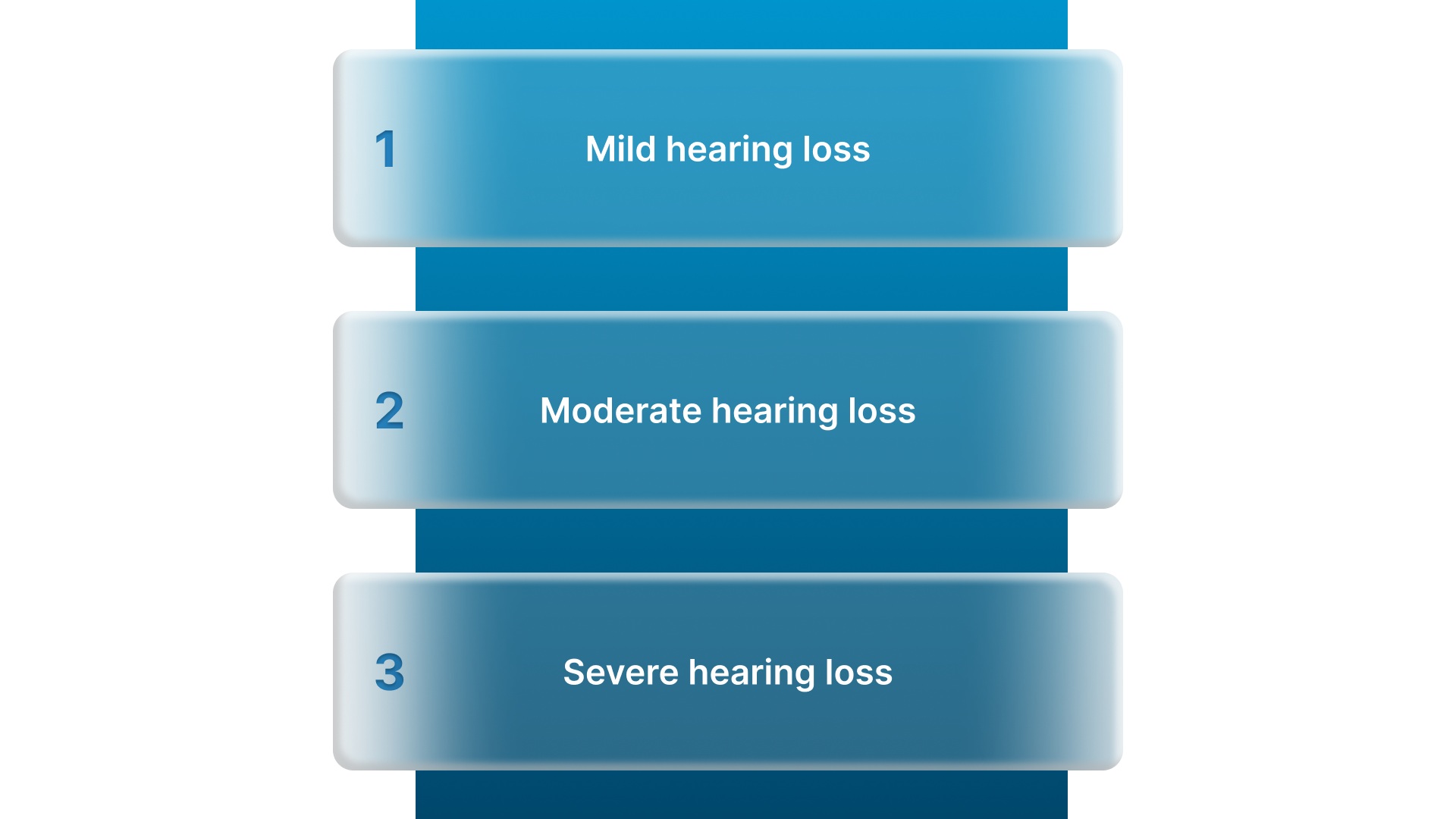
Mild hearing loss can make soft sounds or distant speech harder to hear.
Moderate hearing loss often affects conversations, TV dialogue, and phone calls.
Severe hearing loss can significantly limit the ability to hear most sounds without assistance.
As hearing loss progresses, clarity usually becomes a bigger issue than volume alone.
High-Frequency vs. Low-Frequency Hearing Difficulty
Many people experience high-frequency hearing loss, which affects the ability to hear speech details like consonants. This makes words sound muffled even when volume is high.
Low-frequency hearing loss, though less common, can reduce the perception of deeper sounds and affect overall sound balance.
Why Standard Headphones Often Fall Short
Most headphones are built for users with typical hearing ability, not for those with hearing challenges. As a result, their design and sound tuning often fail to address the specific needs of hearing-impaired listeners. Instead of improving clarity, they can make listening more difficult.
Stereo Imbalance
Standard stereo headphones split sound between left and right channels. For users with hearing loss in one ear or uneven hearing, this can cause parts of the audio to be missed entirely.
Missed Dialogue and Speech
Speech clarity often suffers because many headphones emphasize bass rather than mid-range frequencies, where voices sit. This makes conversations, TV dialogue, and announcements harder to follow.
Discomfort During Long Listening Sessions
Poor fit, heavy designs, and hard padding can cause discomfort over time. For hearing-impaired users who rely on headphones for clarity, discomfort can limit how long they can listen effectively.
The challenges are clear. Now, let’s look at what actually makes headphones suitable for hearing-impaired users.
What to Look for in Headphones for Hearing Impaired Users
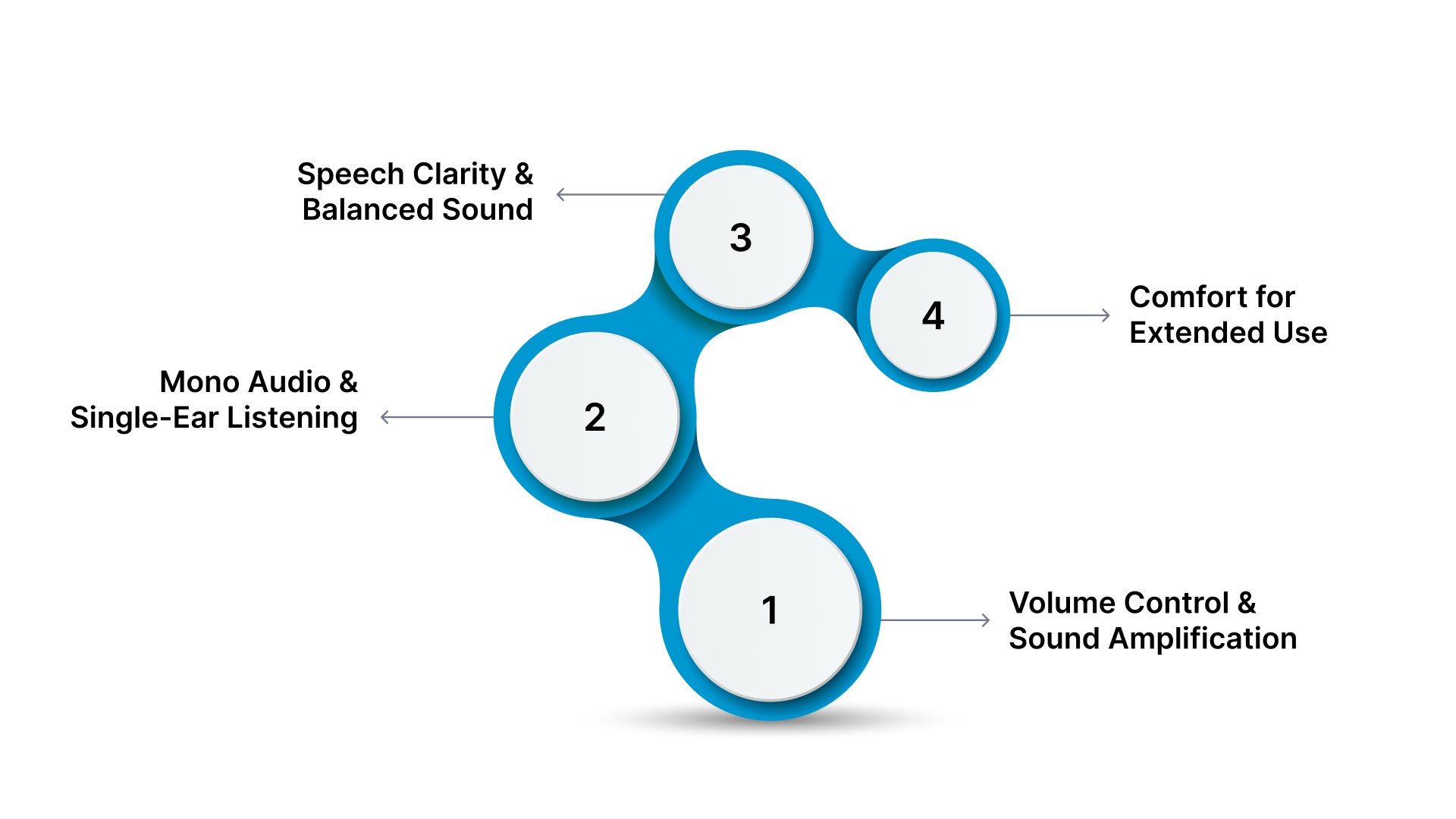
Choosing the right headphones goes beyond picking the loudest option. For hearing-impaired users, the goal is clearer sound, better balance, and long-term comfort. The following features make the biggest difference in everyday listening:
Volume Control and Sound Amplification
Effective headphones offer precise volume control, not just higher volume. Independent volume adjustment allows users to fine-tune sound levels based on personal hearing needs and the listening environment. Louder output should remain clean and clear, without distortion that can make speech harder to understand or cause listening fatigue.
Mono Audio and Single-Ear Listening
Mono audio plays the same sound through one or both ears, ensuring no part of the audio is lost. This feature is especially important for people with hearing in only one ear or uneven hearing between ears. Single-ear listening options allow users to hear complete audio through one earpiece while keeping the other ear free.
Speech Clarity and Balanced Sound
Speech clarity depends heavily on mid-range frequencies, where voices and dialogue sit. Headphones that prioritize clear mids over heavy bass make conversations, TV shows, and calls easier to follow. Balanced sound tuning improves dialogue intelligibility without overwhelming background effects.
Comfort for Extended Use
Comfort plays a major role in how long headphones can be worn. Lightweight designs reduce pressure on the head and ears, while cushioned ear pads help prevent discomfort during extended listening sessions. A comfortable fit also improves passive sound isolation, supporting clearer audio.
With these features in mind, let’s explore the different types of headphones that work best for hearing impairment.
Suggested Read: Safely Share Headphones by using Disposable Covers
Types of Headphones Suitable for Hearing Impaired Users
Different headphone styles serve different listening needs. Understanding how each type performs helps hearing-impaired users choose an option that supports clarity, comfort, and everyday usability.
Over-Ear Headphones
Over-ear headphones fully cover the ears, creating a physical barrier that helps reduce outside noise. This design supports clearer sound and improved focus, especially in busy environments. Their larger ear cups also allow for thicker padding, making them more comfortable for long listening sessions.
On-Ear Headphones
On-ear headphones rest directly on the ears and are typically lighter than over-ear models. Their open design makes it easier to stay aware of surroundings, which can be helpful in shared spaces or when safety awareness is important. They also tend to feel less bulky during short listening periods.
Single-Ear (One-Ear) Headphones
Single-ear headphones are ideal for people with unilateral hearing loss or those who prefer listening through one ear. Because all audio plays through a single earpiece, no sound is lost due to stereo separation. Keeping one ear open also helps maintain environmental awareness.
Wired vs. Wireless Headphones
Wired headphones often provide consistent sound quality with no audio delay, which can be important for watching TV or following conversations. Wireless headphones offer convenience and freedom of movement but may introduce slight latency depending on the device and connection. Ease of setup and control should guide this choice.
Next, let’s narrow this down and look at headphones that are especially helpful for common real-world use cases.
Best Headphones for Hearing Impaired by Use Case
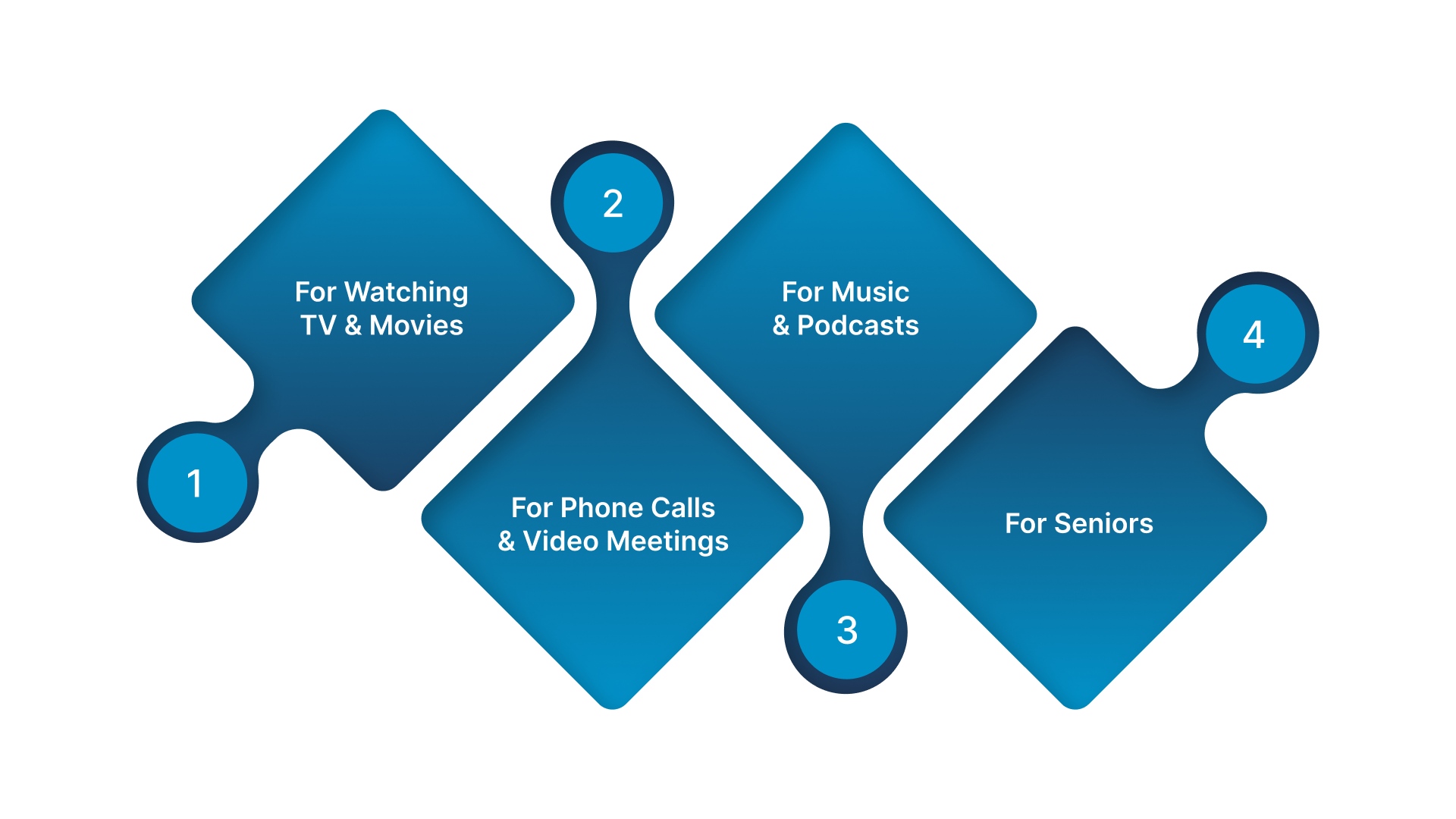
Different activities place different demands on headphones. Matching the right features to real-world use helps improve clarity, comfort, and overall listening satisfaction for hearing-impaired users.
For Watching TV and Movies
Clear dialogue is essential when watching shows or movies. Headphones that emphasize mid-range sound help voices stand out from background music and effects. Reduced background noise also makes it easier to follow conversations without constantly adjusting volume.
For Phone Calls and Video Meetings
Strong voice clarity matters most during calls and meetings. Headphones with clean sound reproduction and simple, easy-to-reach controls help users adjust volume quickly without interrupting conversations. Clear audio reduces the need to ask others to repeat themselves.
For Music and Podcasts
Music and spoken content benefit from balanced sound tuning. Headphones that avoid overpowering bass help preserve clarity, especially for vocals. Comfortable listening at safe volume levels supports longer sessions without ear fatigue.
For Seniors
Seniors often benefit from headphones that are easy to set up and simple to operate. Minimal buttons, straightforward volume controls, and comfortable designs make daily use less frustrating and more accessible.
At this point, the right accessories can make just as much difference as the headphones themselves.
Suggested Read: Why are Disposable Covers Used on Headphones and Headsets?
How the Right Accessories Improve Listening for Hearing Impaired Users
Headphones set the foundation, but the right accessories often determine how comfortable and clear the listening experience feels day to day. Small upgrades can solve common issues that hearing-impaired users face. Here’s how:
Better ear cushions improve comfort and sound seal: Well-fitted, cushioned ear pads reduce pressure during long sessions and create a tighter seal around the ear. This improves passive sound isolation, helping voices sound clearer without increasing volume.
Mono adapters convert stereo to single-channel sound: Stereo audio can cause parts of speech to drop out for users with hearing in only one ear. Mono adapters combine left and right channels into one signal, ensuring no dialogue or detail is missed.
Hygiene covers support shared or medical environments: Disposable headphone covers help keep headphones clean in shared settings, clinics, or long-term use scenarios. They add a layer of hygiene without affecting sound clarity or comfort.
This is where a specialized audio brand can make a real difference.
Why Scan Sound Is a Trusted Choice for the Hearing Impaired

Scan Sound focuses on practical audio solutions built around clarity, comfort, and accessibility, which makes its products especially suitable for hearing-impaired users across everyday settings. Here’s what sets Scan Sound apart:
Single-Ear (1-BUD) Headphones for One-Sided Hearing
Designed for users with hearing in only one ear, Scan Sound’s 1-BUD Single-Ear Headphones deliver the entire audio signal through a single earpiece, so no dialogue or detail is lost due to stereo separation.
Stereo-to-Mono Listening Support
Scan Sound offers audio adapters that combine left and right channels into one signal. This is essential for hearing-impaired users who struggle with traditional stereo audio.
Comfort-Focused Accessories for Longer Listening
Soft, well-padded ear cushions improve comfort and help create a better sound seal, which supports clearer audio without increasing volume.
Hygiene Solutions for Medical and Shared Use
Disposable headphone covers support cleanliness in clinics, shared environments, and long-term use scenarios without affecting sound quality.
Products Built for Medical, Home, and Daily Use
Scan Sound’s accessories are widely used in healthcare settings, home entertainment setups, and everyday listening, making them reliable and easy to integrate into existing devices.
When accessories are built for clarity and comfort, they can make everyday listening noticeably easier. Explore Scan Sound’s accessories today for comfortable listening.
Suggested Read: MRI Headphones: Your Guide to a Quieter Scan
Conclusion
Standard headphones are built for average hearing, which is why they often fall short for hearing-impaired users. Issues like stereo imbalance, weak speech clarity, and uncomfortable designs can make everyday listening more frustrating than helpful.
Choosing headphones with clear mid-range sound, mono audio options, precise volume control, and a comfortable fit makes a noticeable difference. These features improve clarity without pushing volume higher and reduce listening strain over time.
Understanding your specific hearing needs plays a key role in making the right choice. When you know what challenges you face and what features address them, selecting the right headphones becomes far more straightforward and effective.
Explore Scan Sound’s range of headphones for the hearing impaired. Browse audio accessories designed to improve comfort and clarity. Contact us today to learn more.
FAQs
Are headphones safe for people with hearing loss?
Yes, headphones can be safe when used properly. Listening at moderate volumes and taking regular breaks helps reduce strain. Headphones that improve clarity can also limit the need to increase volume.
What are mono headphones, and who should use them?
Mono headphones play all audio through a single channel. They are useful for people with hearing in only one ear or uneven hearing, since no sound is lost between left and right channels.
Can headphones replace hearing aids?
No, headphones do not replace hearing aids. Hearing aids are medical devices designed to address specific hearing loss patterns, while headphones are meant for listening comfort and clarity.
Are louder headphones better for hearing-impaired users?
Not always. Clear sound matters more than loud sound. Headphones that offer balanced audio and speech clarity reduce the need to raise volume levels.
What type of headphones are easiest for seniors to use?
Headphones with simple controls, comfortable padding, and easy setup tend to work best. Single-ear or mono options can also make listening more straightforward.