Hospitals are often much louder than we expect. A 2021 review found that indoor hospital noise can range from 37 to 88.6 dB(A) during the day, far exceeding the recommended noise levels for patient rest, which should be 35 dB(A) during the day and 30 dB(A) overnight, according to the CDC.
This noise gap has real consequences: it disrupts patient sleep, increases stress levels, and can delay recovery. To help manage these challenges, noise-cancelling headphones in hospitals provide a valuable solution.
In this guide, we will explain how these headphones work, where they are most effective, and how to choose the right headphones for patient-friendly setups that improve comfort and reduce hospital noise.
Key Takeaways
Hospital noise levels often exceed safe limits, with indoor noise ranging from 37 to 88.6 dB(A) during the day, disrupting patient rest and recovery.
Noise-cancelling headphones reduce constant background noise, providing calmer waiting times, better rest, and lower stress for patients.
MRI-safe headphones, disposable covers, and hygienic accessories are essential for maintaining patient comfort and safety in shared hospital environments.
Choosing the right headphones involves balancing comfort, safety, and hygiene, while considering whether wired or wireless models are more suitable for hospital settings.
Scan Sound offers MRI-safe headphones, disposable covers, and replacement cushions designed specifically for hospital use, improving patient experience and hospital workflow.
Why Hospitals Feel Noisy to Patients and Staff
Hospitals are designed to be places of healing, but the constant noise can make them difficult environments for rest and recovery. From the sounds of machines to the busy activity in hallways, the noise levels often exceed what is comfortable for both patients and staff.
Common Noise Sources Inside Hospitals
Hospitals are full of sounds that patients and staff can't easily avoid. The primary sources of noise inside hospitals include:
Alarms from medical equipment signaling changes in patient vitals.
Carts and rolling equipment that move down hallways.
Paging systems calling staff to specific areas.
Hallway traffic with staff, visitors, and patients constantly moving.
These noises create an ongoing hum throughout the day, which is difficult to block out and can interrupt both patient rest and staff focus.
What Noise Does to Rest and Comfort
The constant noise in hospitals can have a serious impact on patient comfort and recovery. Continuous noise exposure can:
Disrupt sleep patterns, making it harder for patients to rest and heal.
Increase stress levels, which can hinder the body’s ability to recover from illness or surgery.
Affect mood and cognitive function, leading to frustration and fatigue.
For patients, a restful environment is critical for recovery, and excess noise makes it harder to achieve that essential rest.
Why “Quiet Hours” Still Struggle
Despite hospitals implementing quiet hours to give patients a break from the noise, these efforts often fall short. Quiet hours are often not enough to combat the continuous noise created by hospital equipment, staff activity, and the need to provide care 24/7.
Constant equipment noise, such as ventilators, infusion pumps, and monitors are often running all day and night.
Workflow realities mean that staff must move equipment, answer pages, and respond to emergencies, which keeps the environment active and noisy.
Even with “quiet hours” in place, the need to provide around-the-clock care often makes it difficult to fully quiet down the hospital.
Now that you know what drives hospital noise, it helps to see how noise-cancelling headphones can realistically improve patient comfort and support a quieter environment for healing.
Suggested Read: Safely Share Headphones by using Disposable Covers
How Noise-Cancelling Headphones Help in Hospital Settings
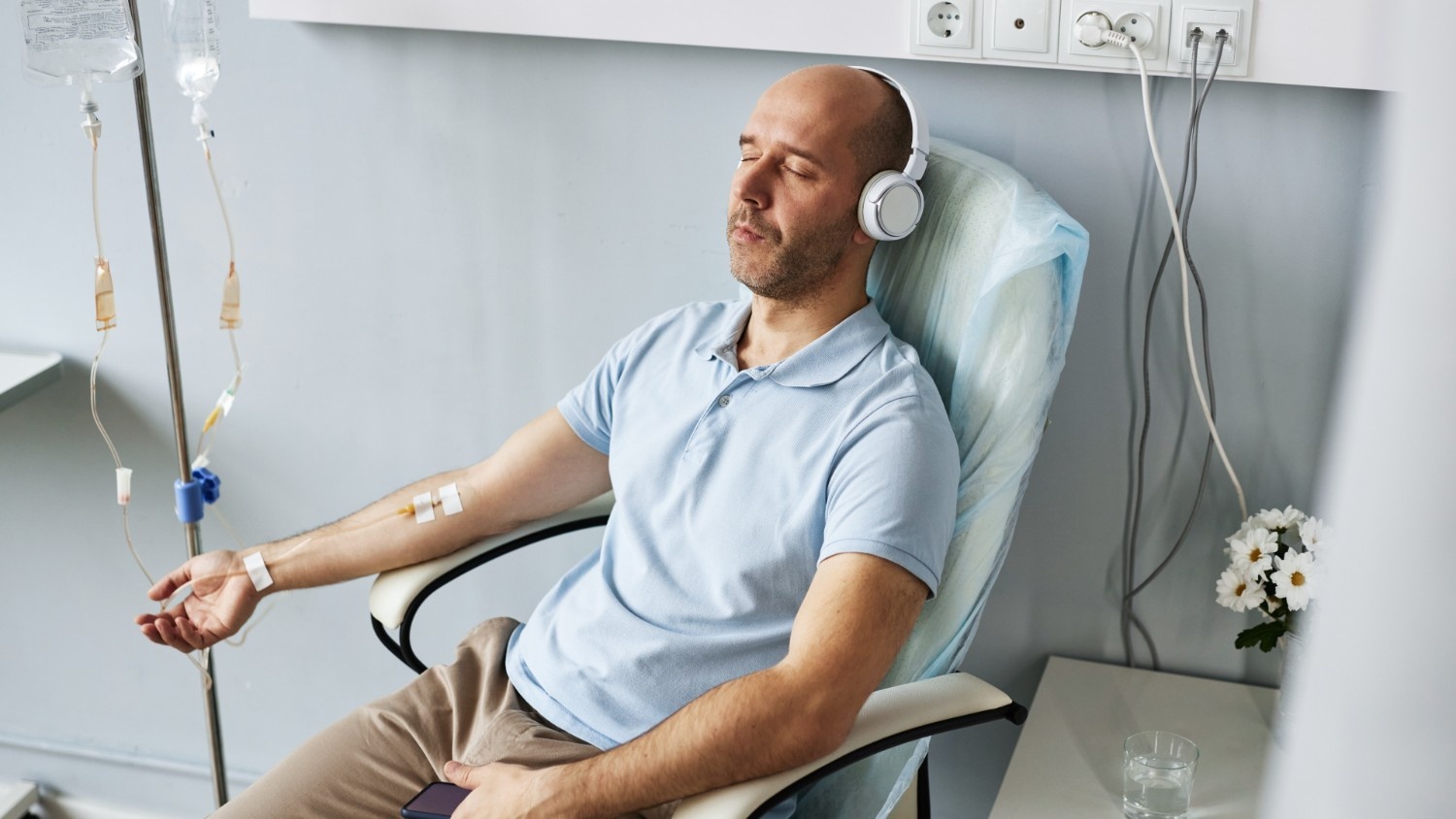
Noise-cancelling headphones can make a significant difference in hospital settings by reducing the noise that disrupts rest, elevates stress, and makes healing more challenging. These headphones use advanced technology to cancel out unwanted sounds, offering several benefits for both patients and caregivers. Here's how they work and why they are useful in medical environments.
Active Noise Cancellation (ANC)
Active Noise Cancellation (ANC) works by using microphones embedded in the headphones to pick up surrounding noise like alarm sounds or chatter. The system then generates an “anti-noise” sound wave that is the exact inverse of the detected sound. When the anti-noise wave meets the original sound, it cancels it out, reducing the overall noise that reaches your ears.
ANC is most effective at lower-frequency, steady noises, such as the hum of machines, HVAC systems, or general background noise in hallways. This helps create a calmer, quieter environment for patients and staff alike.
Benefits for Patients
For patients, noise-cancelling headphones offer numerous advantages, including:
Calmer waiting times: Reducing environmental noise helps patients feel less anxious while waiting for procedures or results.
Better rest attempts: By minimizing disruptive sounds, ANC headphones improve patients' ability to rest and recover, making sleep more restorative.
Lower perceived chaos: ANC helps reduce the overwhelming noise levels in busy hospital environments, making them feel less chaotic and more manageable. Quieter environments promote better mental health and faster recovery.
Benefits for Caregivers and Visitors
Caregivers and visitors also benefit from noise-cancelling headphones:
Less fatigue during long stays: Hospital staff often work long shifts in noisy environments, leading to fatigue. ANC headphones can reduce noise-induced stress and help staff stay focused and refreshed.
Better calls: Nurses and caregivers can communicate more clearly with patients or during calls in noisy settings, without distractions from background noise.
Next comes the practical part: where these headphones work best, and where they struggle.
Where Noise-Cancelling Headphones Provide The Most Benefit in Hospitals
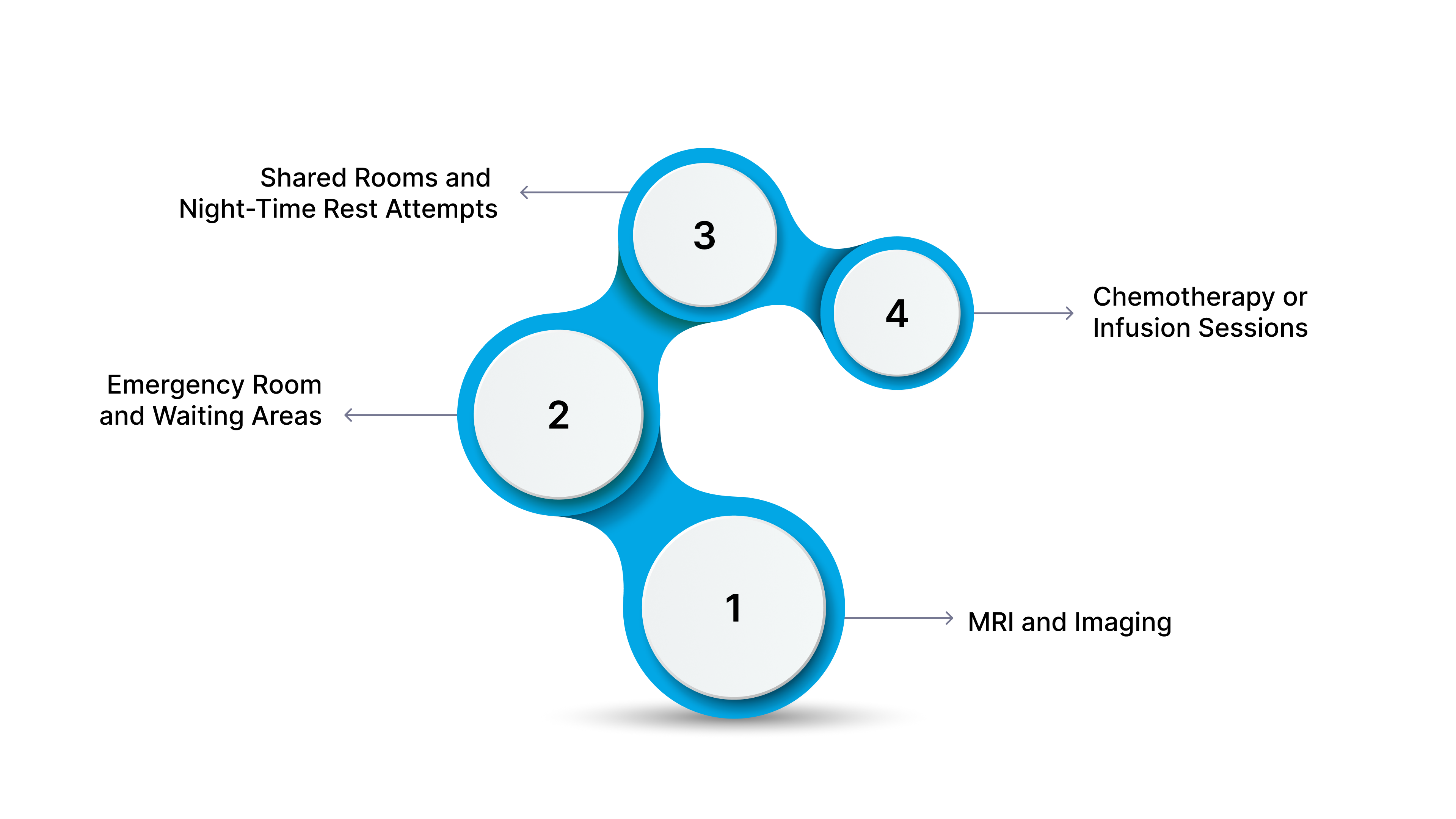
Noise-cancelling headphones can be highly effective in certain areas of a hospital where noise is constant, intrusive, and disrupts both patient rest and caregiver focus. While not all hospital settings benefit equally, these headphones are a practical tool in environments with steady background noise. Here are the best-fit areas where noise-cancelling headphones make a real difference.
MRI and Imaging
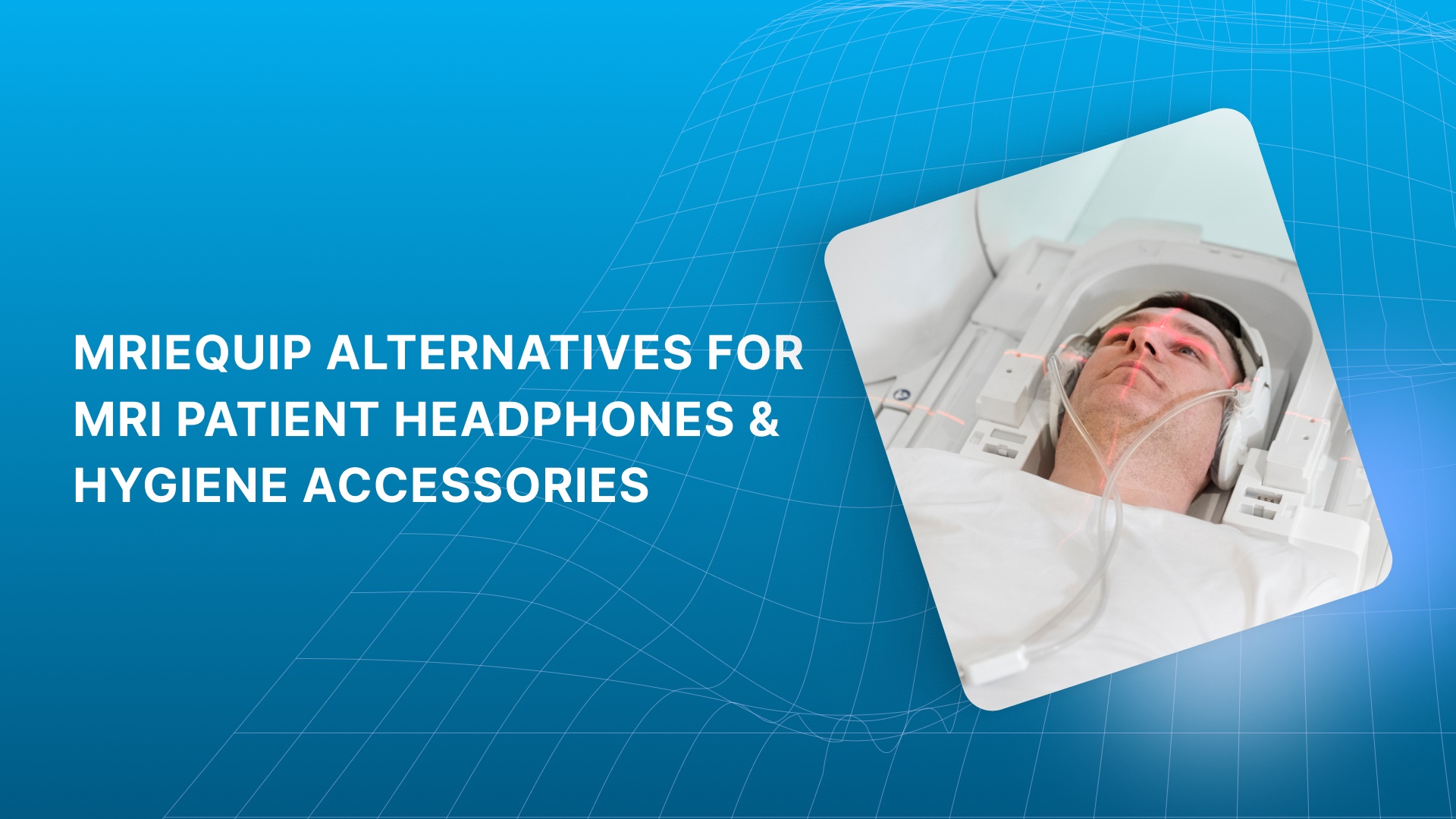
MRI rooms and imaging areas are known for their high noise levels, with the clanging and rumbling sounds of MRI machines creating a disruptive environment. However, these settings also require MRI-safe headphones that are specifically designed to avoid interference with sensitive equipment. The noise-cancelling headphones used here must meet strict standards to reduce the loud ambient noise while ensuring the patient remains calm and comfortable during the procedure.
Suggested Read: MRI Headphones: Your Guide to a Quieter Scan
Emergency Room and Waiting Areas
In busy emergency rooms (ERs) and waiting areas, the noise levels can rise dramatically due to the rush of staff, patient alerts, and background chatter. The steady rumble of hospital machinery and the movement of staff can increase stress levels for patients.
Noise-cancelling headphones help reduce this steady background hum, allowing patients to relax, focus, or rest more easily.
Shared Rooms and Night-Time Rest Attempts
Hospital rooms with multiple patients or shared rooms can be particularly noisy, especially at night when background sounds like HVAC units or hallway traffic can disrupt sleep. These constant, low-level noises significantly affect sleep quality.
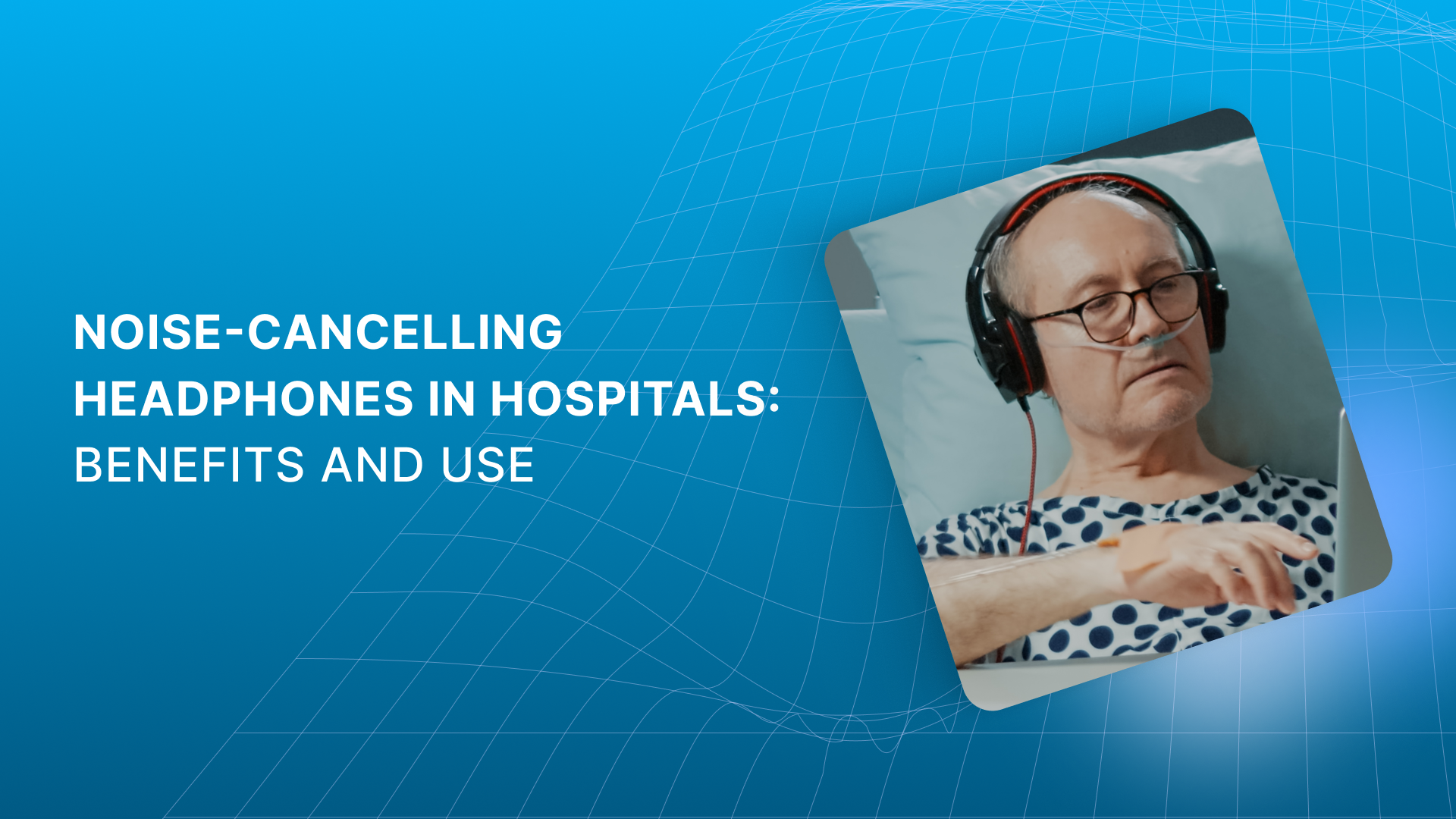
Noise-cancelling headphones help to block out these sounds, giving patients a chance for more restful sleep despite the surrounding noise. These headphones are especially beneficial during the night when patients need to recuperate in a quiet space.
Chemotherapy or Infusion Sessions
For patients undergoing chemotherapy or infusion treatments, sessions can last for several hours. These extended periods in a treatment room can make it difficult for patients to relax or pass the time.
Noise reduction during these sessions can improve the patient experience, reducing fatigue and stress while also helping patients to better cope with their treatment. Noise-cancelling headphones allow them to enjoy podcasts, music, or simply block out unwanted noise during long treatments.
How to Choose the Right Noise-Cancelling Headphones for Hospitals
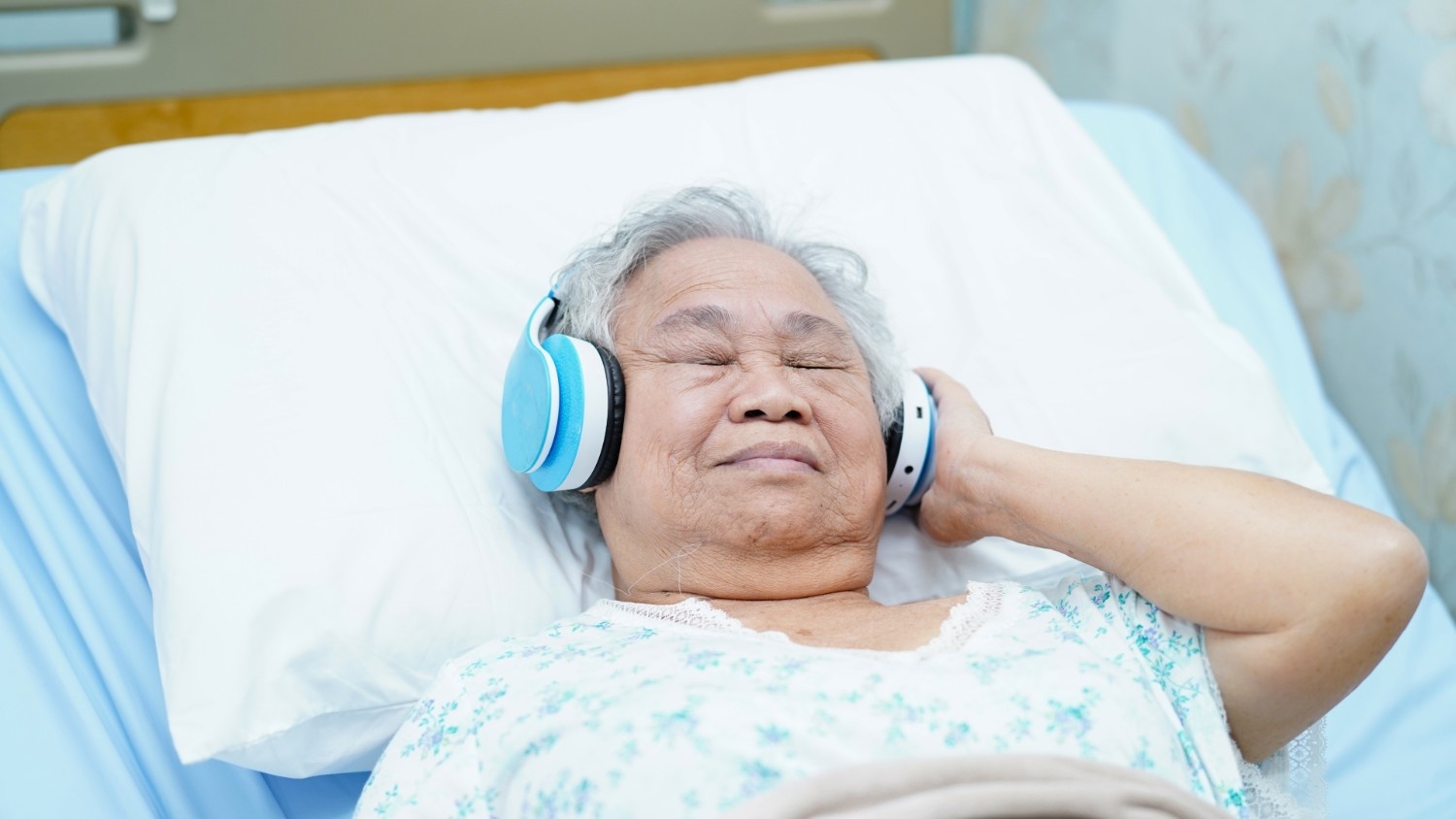
When selecting noise-cancelling headphones for use in hospitals, there are several important factors to consider. Hospital environments require a balance of comfort, safety, cleanliness, and ease of use. Here's what you need to look for to ensure the headphones meet both patient and healthcare staff needs.
Comfort and Fit for Long-Term Use
Comfort is critical, especially in hospital settings where patients may need to wear headphones for extended periods or while lying down. Headphones that are too heavy or poorly fitted can lead to sore ears and discomfort, especially if patients need to turn their heads during sleep or treatment.
Safe Awareness of Surroundings
While noise-cancelling headphones provide significant relief from environmental noise, it is essential to ensure patients are still able to hear important staff communications, announcements, and alarms. This requires headphones that allow users to stay aware of their surroundings for safety reasons.
Some noise-cancelling models offer adjustable ANC levels so that patients can enjoy their media while still hearing critical sounds, such as hospital alerts or emergency staff calls. This helps strike a balance between comfort and safety.
Hygiene for Shared Use
In hospital settings, hygiene is a major concern, especially when headphones are shared between patients or used in high-traffic areas.
Additionally, look for headphones with replaceable ear tips or wipe-safe surfaces to help reduce the risk of cross-contamination and ensure the headphones are properly cleaned between uses.
Wired vs Wireless
In hospitals, the choice between wired and wireless headphones can make a significant difference. Wired headphones often offer more reliable sound quality and ensure that there’s no battery risk during long sessions, which is particularly important when patients need a consistent audio experience. However, they can be limiting in terms of movement and convenience.
On the other hand, wireless headphones provide greater flexibility, but there are potential issues with pairing, battery life, and device compatibility in care settings. When choosing, consider how patients will use the headphones and whether they need to remain mobile or stationary for safety reasons.
After you pick the right headset type, accessories can make it more comfortable, cleaner, and easier to manage.
Accessories That Make Hospital Headphone Use Easier
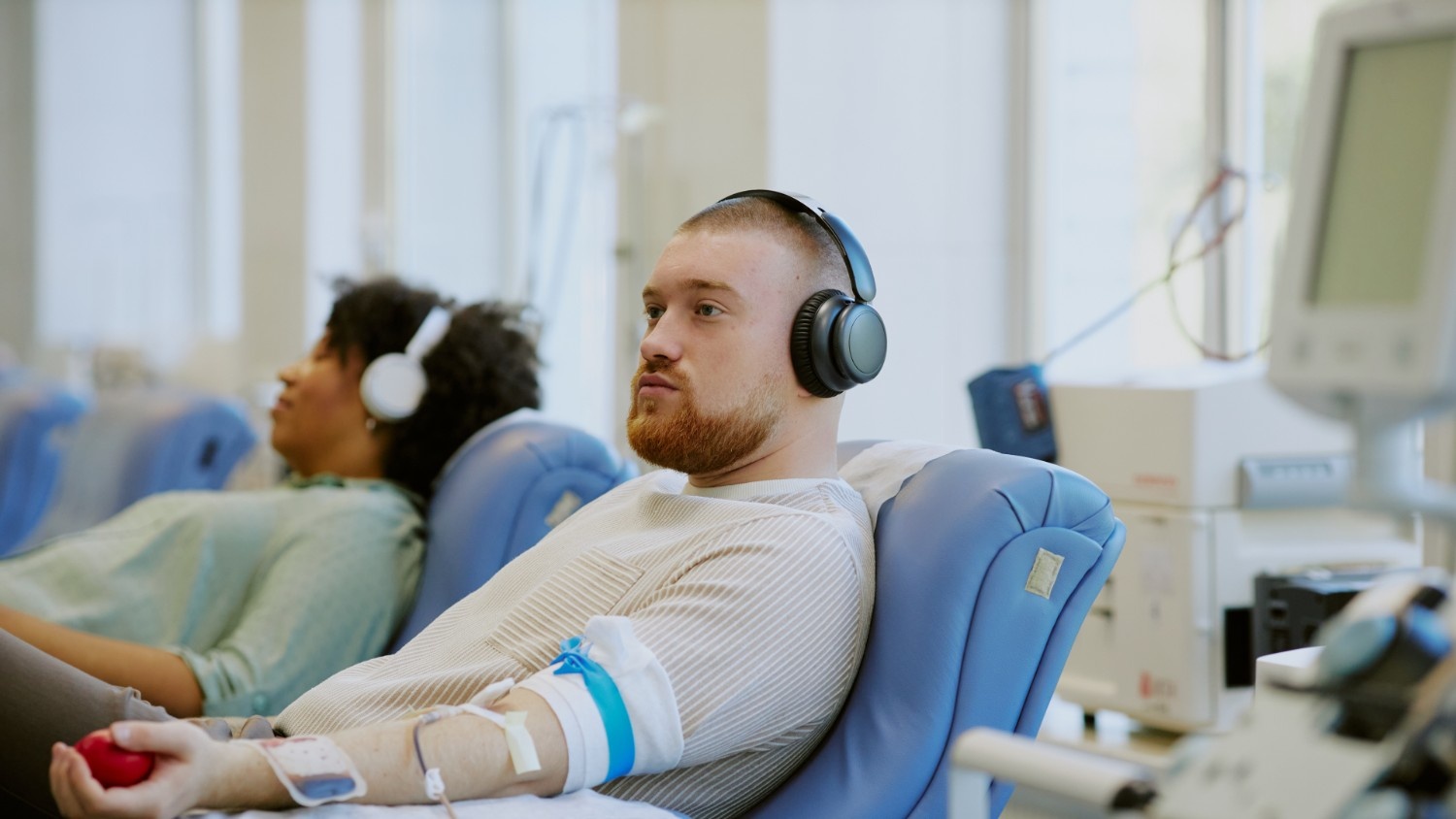
The right accessories can significantly improve the functionality, comfort, and cleanliness of headphones used in hospitals. These accessories ensure that headphones not only perform well but also meet the hygiene and convenience standards required in a medical environment.
Disposable Headphone Covers for Infection Control Workflows
Hygiene is a top priority in healthcare settings. Disposable headphone covers are essential for preventing the spread of germs, especially when headphones are shared between patients or used in high-traffic areas.
Scan Sound offers high-quality, disposable covers that make it easier to keep headphones clean and hygienic without compromising their sound quality or performance.
Suggested Read: Why are Disposable Covers Used on Headphones and Headsets?
Adapters and Cables for Reliable Connections
It is important to ensure reliable audio connections, whether patients are using headphones with TV systems, imaging setups, or other medical devices. The right adapters and cables can help ensure that the connection remains stable, providing patients with a seamless audio experience. These accessories are especially helpful in settings like MRI rooms, recovery areas, and waiting rooms, where patients need to stay engaged or calm with minimal interruptions.
Reliable audio connections support the effectiveness of noise-cancelling headphones in reducing the stress and distractions caused by hospital noise.
Replacement Cushions and Tips for Comfort
Replacement ear cushions and tips ensure that headphones remain comfortable, even during extended listening sessions. These replacements provide the necessary padding and seal for optimal sound quality and comfort, making them an essential accessory in any hospital setting.
Soft, cushioned ear pads also reduce the discomfort that can occur when patients wear headphones for several hours, especially in recovery or during treatments like chemotherapy.
This is where a purpose-built supplier can save you time and reduce guesswork.
Why Scan Sound Fits Hospital Use Cases
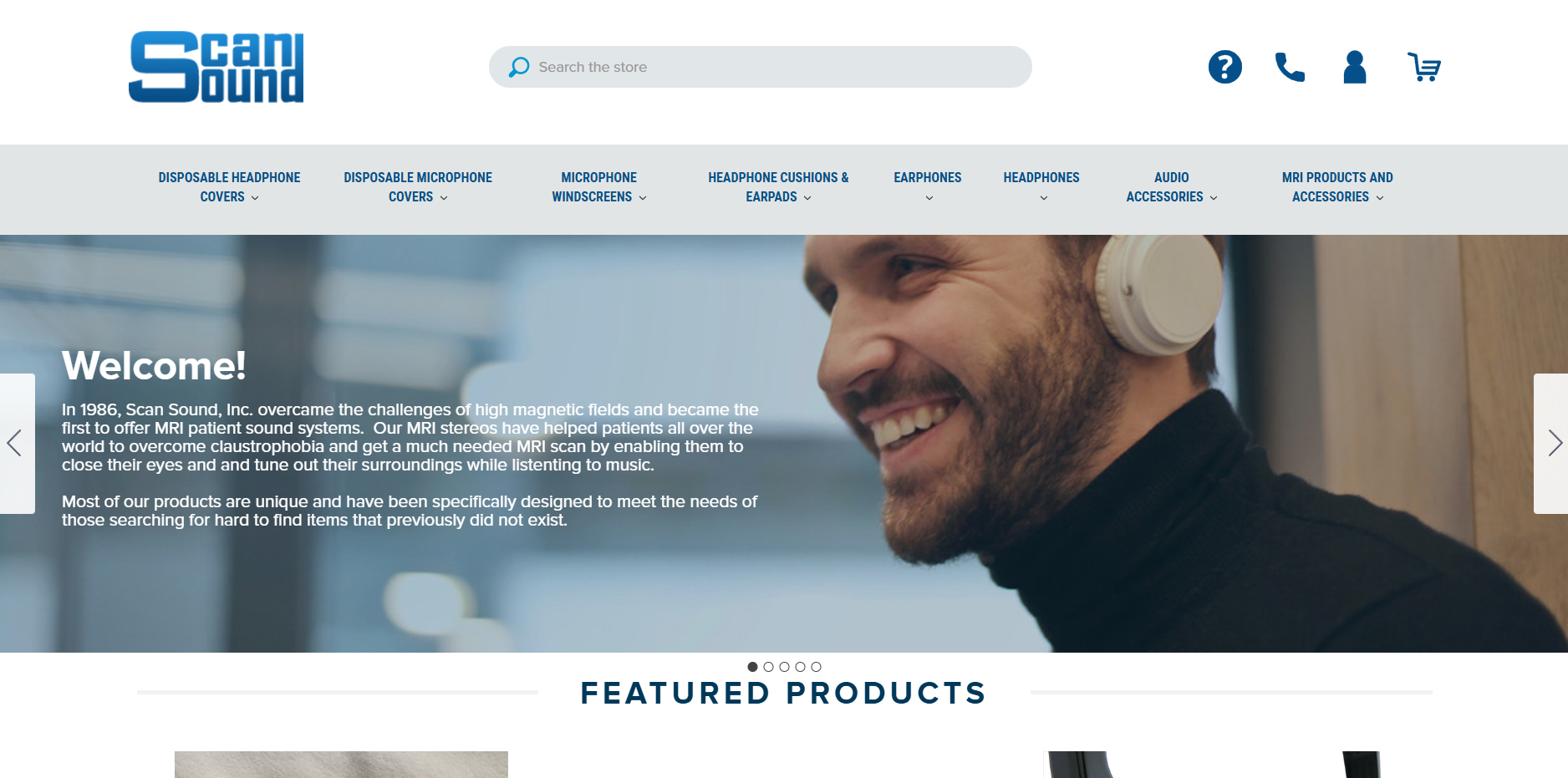
Scan Sound specializes in providing high-quality, reliable audio solutions specifically designed for hospital and imaging settings. Their products are built to meet the unique demands of these environments, ensuring comfort, hygiene, and seamless integration with hospital systems.
When it comes to providing high-quality, reliable audio solutions for hospitals and imaging centers, Scan Sound is a trusted choice. Here's why:
MRI-safe noise reduction headphone options: Designed specifically for MRI patient audio systems, these headphones reduce ambient noise while maintaining safety standards required in MRI rooms.
Disposable headphone and headset covers: To maintain hygiene in shared hospital settings, disposable headphone covers help protect both patients and visitors. These covers can be easily replaced between uses, ensuring that the headphones stay clean and hygienic.
Small disposable covers for convenience: Small disposable covers are ideal for quick, easy replacement, ensuring cleanliness in shared environments. Perfect for keeping headphones sanitary in waiting areas, clinics, or other high-traffic spaces.
Hospital-focused guidance content: Scan Sound offers valuable resources and guidance for hospitals looking to integrate audio solutions into patient care systems. These resources help streamline workflow and ensure proper implementation in clinical settings.
If you are building a patient-ready setup, start with Scan Sound’s MRI-safe headphone options and sanitary covers to ensure comfort and hygiene.
Conclusion
Hospital noise is an ongoing challenge, with constant alarms, machines, and movement affecting both patients and staff. Active Noise Cancelling (ANC) headphones can significantly reduce this disruptive noise, offering a calmer, quieter environment for both patients and healthcare providers. However, choosing the right headphones, especially those designed for hospital use, ensures that noise reduction is both effective and safe.
When selecting noise-cancelling headphones in hospitals, it's essential to consider comfort, hygiene, and safety features like MRI compatibility and hygiene covers. ANC headphones can make a big difference in creating a quieter and more comfortable space for patients, especially in environments with steady background noise.
For patient-friendly listening, browse Scan Sound’s MRI-safe options and disposable headphone covers to ensure the best experience in hospital settings. Contact us today.
FAQs
Are noise-cancelling headphones allowed in hospitals?
Policies vary by unit. Many hospitals allow them for patients and visitors with common-sense safety limits in place.
Do noise-cancelling headphones block staff voices and alarms?
ANC headphones are best at reducing steady background noise. However, voices and sudden alarms may still be audible, especially at lower ANC settings.
What’s best for sleeping in a hospital bed: earbuds or over-ear?
Many find over-ear headphones bulky when lying down. Some prefer softer, more flexible earbuds or headphones designed for side-sleeping.
Can nurses wear headphones while on shift?
Nurses often caution against wearing headphones during shifts due to safety and communication needs. Unit rules frequently restrict headphone use.
What should I bring for a long hospital stay to handle noise?
Many people recommend bringing comfortable ANC headphones, as well as hygiene and charging essentials, to help manage hospital noise during long stays.