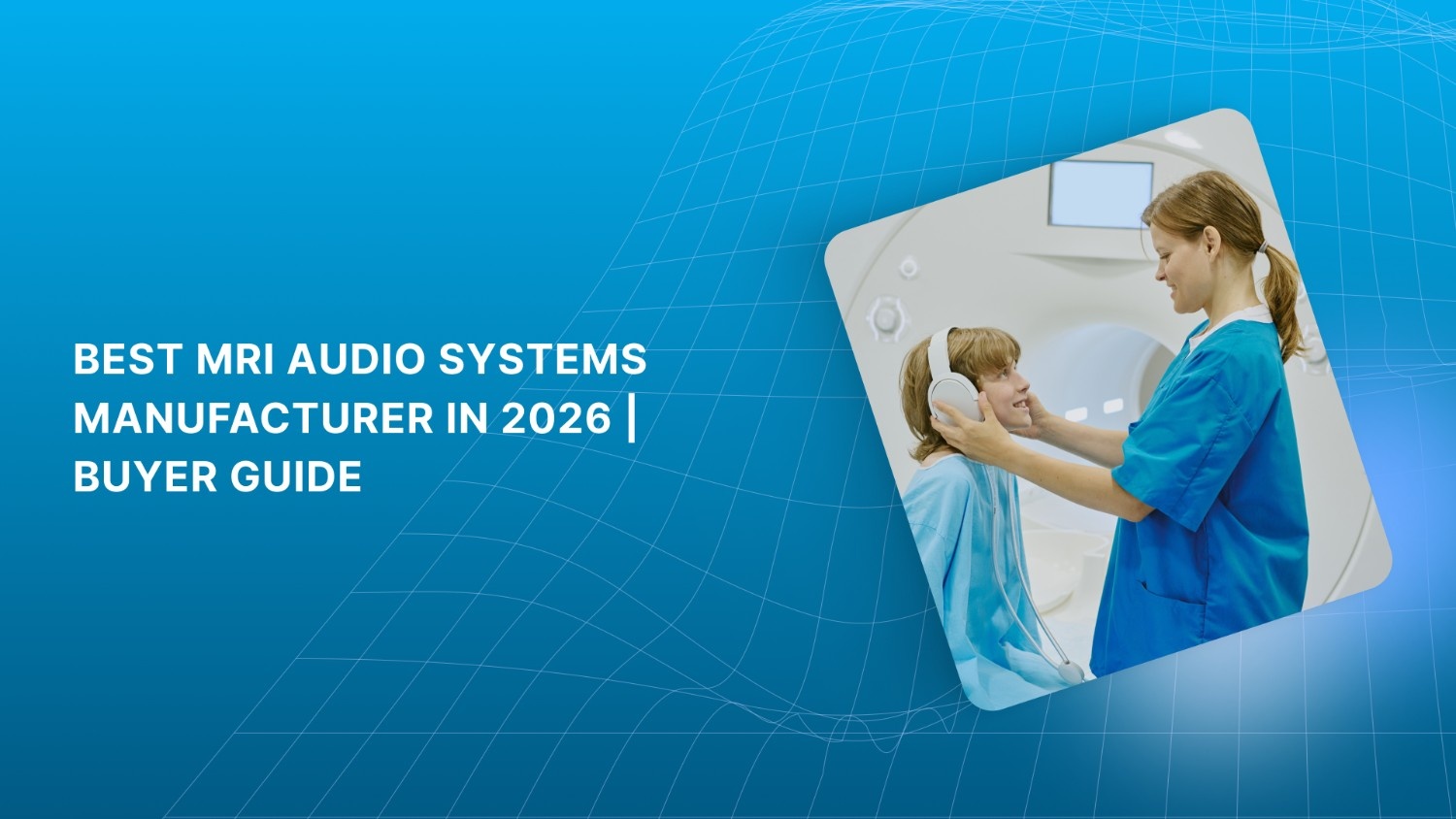
Magnetic Resonance Imaging is one of the most widely used diagnostic tools in modern healthcare, but the patient experience remains a challenge. Peer-reviewed clinical research shows that approximately 25 to 30 percent of patients experience moderate anxiety during MRI exams, while up to 15 percent may develop severe anxiety or claustrophobic reactions. In some cases, this distress leads to motion, scan interruptions, repeat imaging, or the need for sedation.
Patient movement caused by anxiety is a well-known contributor to motion artifacts, which can compromise image quality and reduce diagnostic confidence. Repeat scans increase exam time, staff workload, and operational costs, while also placing additional stress on patients. These effects are especially pronounced during long or complex protocols such as neuro, cardiac, and pediatric imaging.
Because of this, imaging centers increasingly view MRI audio systems as a core part of the scanning environment rather than optional accessories. Clear communication, effective noise management, and patient reassurance through audio play a direct role in helping patients remain calm and still throughout the exam. Facilities that invest in well designed MRI audio systems often see smoother workflows, fewer rescans, and improved patient satisfaction.
This is why choosing the right MRI audio systems manufacturer matters in 2026. Manufacturers with deep MRI specific expertise are better equipped to design solutions that support patient comfort, communication reliability, safety, and long term clinical use.
Key Takeaways
Patient anxiety directly affects MRI outcomes. Clinical research shows 25 to 30 percent of MRI patients experience moderate anxiety, which increases motion artifacts, rescans, exam time, and operational costs.
MRI audio systems are no longer optional accessories. Clear communication, noise management, and patient reassurance through audio are now considered part of the MRI scanning environment, especially for long and complex exams.
The best MRI audio systems manufacturers design specifically for MRI use. Manufacturer-level solutions prioritize MRI-safe materials, reliable performance during loud scan sequences, and long-term clinical durability rather than adapted consumer audio.
Manufacturer, supplier, and reseller are not the same. Facilities that work directly with manufacturers gain better design control, consistent availability, customization options, and long-term standardization across scanners.
Common MRI audio gaps include fit, hygiene, and reliability. One-size designs, limited infection control support, unclear audio, and short product lifecycles often lead to patient discomfort and workflow disruption.
Imaging centers in 2026 prioritize long-term partnerships. Key evaluation factors include standardization across sites, support for diverse patient populations, hygiene readiness, and dependable replacement availability.
Dedicated MRI audio manufacturers support better clinical consistency. Manufacturer-designed systems help reduce rescans, improve patient cooperation, and support scalable imaging operations over time.
What Makes the Best MRI Audio Systems Manufacturer?
Not all MRI audio systems are designed for clinical imaging environments. The best MRI audio systems manufacturers focus on safety, reliability, and patient experience, not on adapting consumer audio products for medical use.
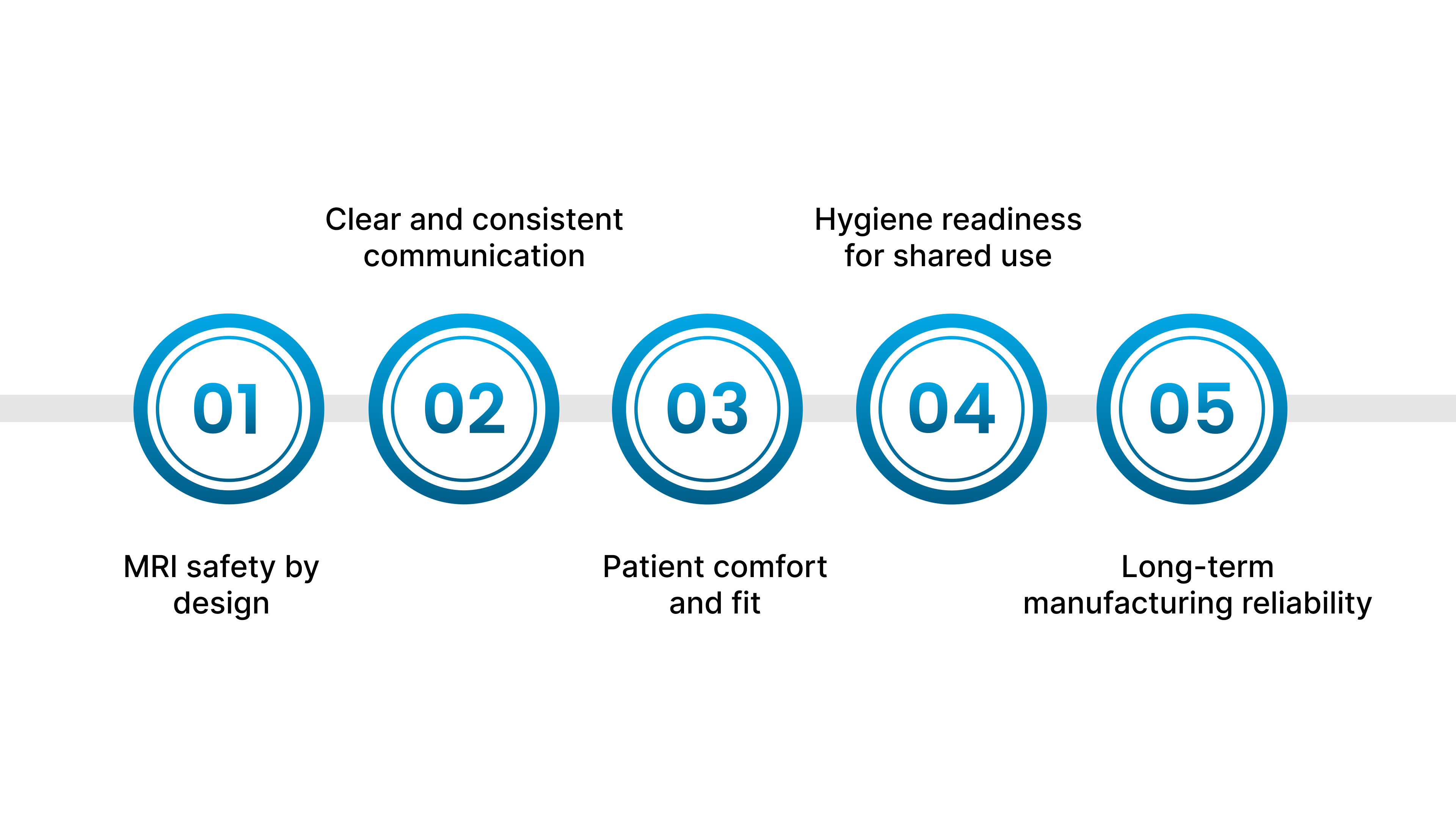
Key factors that define a high-quality MRI audio systems manufacturer include:
MRI safety by design: Audio systems must be engineered using non-magnetic materials and MRI-compatible components. Designs should perform reliably across common field strengths without interfering with imaging or scanner operation.
Clear and consistent communication: Technologists rely on audio systems to deliver instructions during loud scan sequences. Poor clarity increases confusion and anxiety, which can lead to patient movement and repeat scans.
Patient comfort and fit: Comfortable headphones that account for different head sizes and ear anatomies help patients remain still during long or complex exams. Poor fit often results in discomfort and motion artifacts.
Hygiene readiness for shared use: MRI audio systems should support infection control protocols through cleanable materials and compatibility with disposable covers, especially in high-volume imaging centers.
Long-term manufacturing reliability: Imaging facilities need consistent product availability, replacement parts, and stable designs that can be standardized across rooms and locations. True manufacturers maintain control over design, testing, and production to support long-term clinical use.
Together, these criteria separate dedicated MRI audio systems manufacturers from general suppliers and resellers, and they form the foundation for reliable performance in modern imaging environments.
See how MRI-safe audio systems are engineered for clinical imaging environments.
Manufacturer vs Supplier vs Reseller in MRI Audio
When evaluating MRI audio solutions, many facilities assume all vendors operate the same way. In reality, there is a critical difference between a manufacturer, a supplier, and a reseller, and that difference directly affects safety, reliability, and long-term support.
Understanding these roles helps imaging centers avoid mismatched solutions and operational risk.
MRI Audio Manufacturer
A true manufacturer designs, engineers, and controls the product from start to finish.
Owns the product design and materials selection
Engineers specifically for MRI environments
Tests products for consistent performance in clinical use
Maintains control over revisions, replacements, and long-term availability
Can support customization, sizing, and specialized scan needs
Manufacturers are best suited for facilities that need standardization, longevity, and predictable performance.
MRI Audio Supplier
Suppliers focus primarily on distribution and logistics.
Provide access to products made by manufacturers
May offer bundled systems or accessories
Limited control over design changes or product updates
Suppliers can be helpful for procurement efficiency, but they rely on the underlying manufacturer for engineering and long-term support.
MRI Audio Reseller
Resellers typically sell third-party or adapted products.
Do not control product design or materials
Often rely on consumer audio adapted for MRI use
Limited ability to address fit, hygiene, or durability issues
Replacement availability may change without notice
In MRI environments, reseller-based solutions can introduce variability and inconsistency over time.
MRI suites demand reliability, safety, and consistency. Facilities that work directly with manufacturers are better positioned to maintain standardized audio performance across scanners, support infection control protocols, and avoid disruptions caused by discontinued or poorly supported products.
This distinction becomes especially important for imaging centers planning long-term upgrades or multi-room standardization.
View MRI audio systems designed and manufactured specifically for long-term clinical use.
Common Gaps in MRI Audio Systems
Even when MRI facilities invest in audio solutions, many systems fall short in day-to-day clinical use. These gaps often become visible only after implementation, when patient comfort issues, workflow disruptions, or maintenance challenges begin to surface.
Common limitations seen across MRI audio systems include:
Inconsistent patient fit: One-size designs often fail to accommodate pediatric, elderly, or bariatric patients. Poor fit can cause discomfort, slipping, or uneven sound delivery, increasing the likelihood of patient movement during scans.
Limited hygiene support: Some systems lack materials or designs suited for frequent cleaning or shared use. Without compatible disposable covers or cleanable surfaces, infection control becomes harder to manage in high-volume environments.
Unclear or unreliable audio: Audio distortion, low volume, or intermittent communication can make it difficult for patients to hear instructions during loud scan sequences. This can lead to confusion, anxiety, and repeat instructions that slow workflow.
Short product lifecycles: Systems sourced through resellers or built on adapted consumer audio may change frequently or become unavailable. This creates challenges when replacing parts or maintaining consistency across multiple MRI rooms.
Limited support for long or complex exams: Audio systems not designed for extended wear may cause pressure or fatigue during neuro, cardiac, or specialty imaging, increasing motion risk over time.
Identifying these gaps early helps imaging centers avoid solutions that look adequate on paper but struggle under real clinical conditions. This is why manufacturer-level design and long-term planning matter when selecting MRI audio systems.
Explore MRI audio accessories that help address comfort, hygiene, and reliability gaps.
What Imaging Centers Look for in an MRI Audio Partner in 2026
As MRI operations become more complex and patient expectations continue to rise, imaging centers are more selective about the partners they work with. In 2026, the focus extends beyond individual products to long-term performance, consistency, and support.
Key priorities imaging centers look for in an MRI audio partner include:
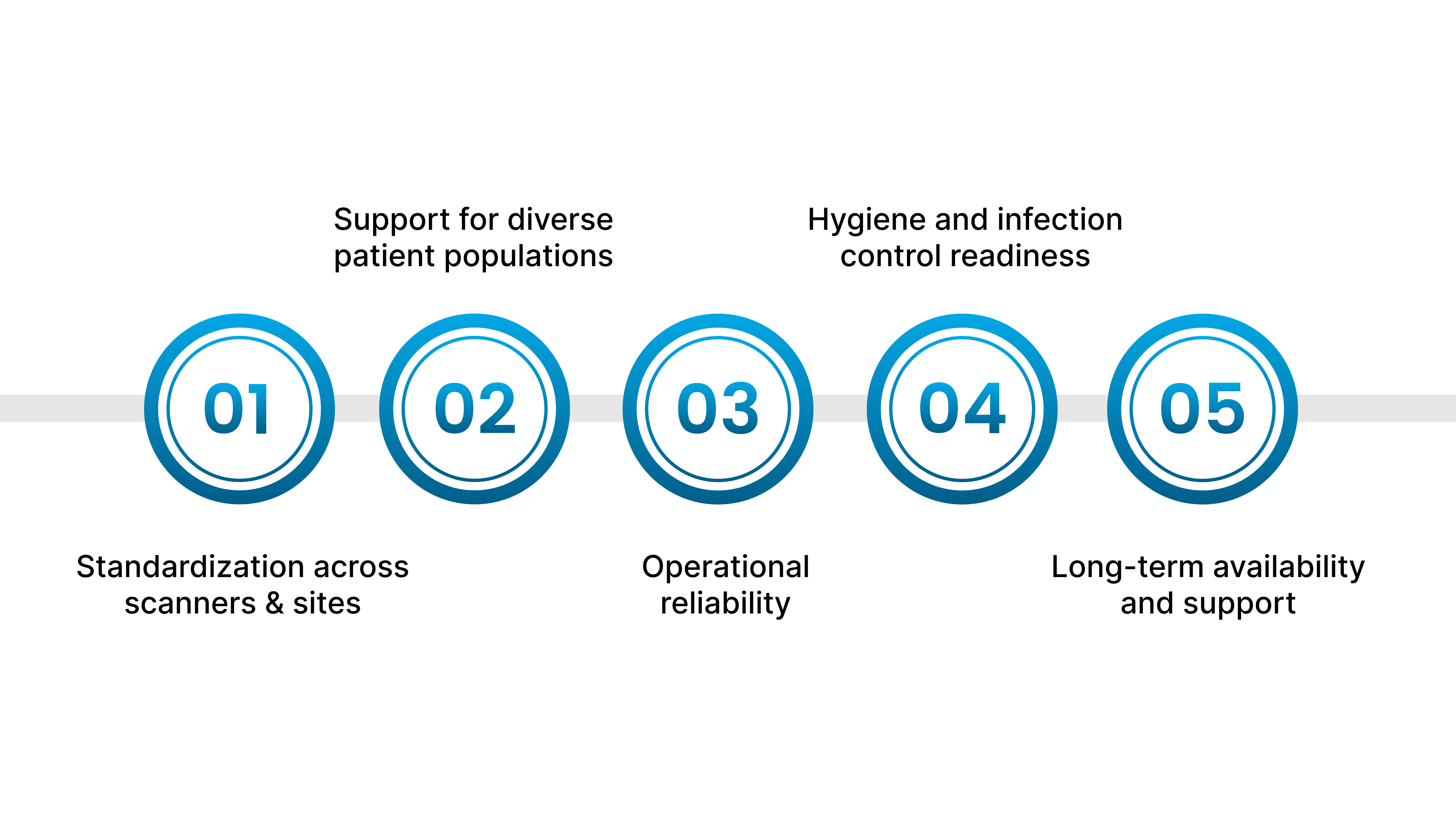
Standardization across scanners and sites: Facilities with multiple MRI rooms or locations need audio systems that deliver the same performance everywhere. Consistency helps reduce training time and minimizes variability in patient experience.
Support for diverse patient populations: Imaging centers require audio systems that work equally well for adults, pediatric patients, elderly patients, and those undergoing long or specialized scans such as neuro or cardiac imaging.
Operational reliability: Audio systems must function reliably throughout the day without frequent adjustments, failures, or downtime that disrupt workflow or delay exams.
Hygiene and infection control readiness: Shared-use environments demand solutions that integrate smoothly with cleaning protocols and disposable hygiene accessories to protect patients and staff.
Long-term availability and support: Imaging centers value partners who can provide consistent product availability, replacement parts, and guidance over many years, not just at the point of sale.
By prioritizing these factors, imaging centers position themselves to deliver a smoother patient experience while maintaining efficiency, safety, and scalability as imaging demands continue to grow.
Review MRI audio system components built for standardization across scanners and sites.
Where Scan Sound Fits as an MRI Audio Systems Manufacturer
Among MRI audio system providers, Scan Sound occupies a distinct role as a dedicated manufacturer focused on MRI environments, not a reseller of adapted consumer audio. This positioning matters for imaging centers that need long-term consistency, safety, and clinical reliability.
As an MRI-focused manufacturer, Scan Sound brings several characteristics that align with what imaging facilities look for in 2026:
Decades of MRI-specific experience: Scan Sound has worked exclusively in specialized audio environments for healthcare and imaging, with deep familiarity in the constraints and demands of MRI suites.
Engineering-first product development: Audio systems are designed specifically for MRI use, with attention to non-magnetic materials, durability, and performance during loud scan sequences.
Manufacturer control over design and production: Because Scan Sound controls product design and manufacturing, imaging centers benefit from stable models, predictable availability, and long-term support rather than frequent product changes.
Customization and fit awareness: Scan Sound designs with real-world patient variability in mind, supporting adult, pediatric, and specialty imaging needs where comfort and secure fit directly affect motion control.
Trusted by hospitals and imaging centers: Long-standing relationships with healthcare facilities reflect a focus on reliability, responsiveness, and practical clinical use rather than short-term sales cycles.
This manufacturer-level approach positions Scan Sound as a long-term MRI audio partner for facilities that prioritize patient experience, operational stability, and scalable solutions across imaging environments.
Learn more about Scan Sound’s approach to MRI audio manufacturing.
Scan Sound MRI Audio System Capabilities

Scan Sound’s MRI audio systems are designed to support real clinical workflows, where patient comfort, clear communication, and reliability directly affect scan quality and efficiency. Rather than focusing on individual features, these systems are built around practical use in active imaging environments.
Core capabilities include:
MRI safe audio design: Systems are engineered using non-magnetic materials and MRI-compatible components to operate safely and consistently within the scanner environment.
Clear technologist to patient communication: Audio solutions are designed to deliver clear instructions during loud scan sequences, helping patients understand cues without repeated intervention.
Patient comfort for extended exams: Headphones and audio interfaces are designed to remain comfortable during long scans, supporting patient stillness during neuro, cardiac, and specialty imaging.
Hygiene ready construction: Systems support shared-use environments through cleanable surfaces and compatibility with disposable headphone covers, aligning with infection control protocols.
Compatibility with existing MRI infrastructure: Audio systems are designed to integrate with commonly used MRI setups, helping facilities avoid unnecessary equipment changes.
Consistency across rooms and sites: Stable designs and long-term availability allow imaging centers to standardize audio performance across multiple scanners and locations.
These capabilities reflect a focus on long-term clinical use rather than short-term product cycles, helping imaging centers maintain consistent patient experience and operational reliability.
Explore MRI stereo systems and headphones designed for comfort, clarity, and shared clinical use.
How to Evaluate the Right MRI Audio Manufacturer for Your Facility
Choosing an MRI audio manufacturer is a long-term decision that affects patient experience, workflow efficiency, and equipment consistency. Rather than focusing on individual product claims, imaging centers benefit from evaluating manufacturers using practical, operational criteria.
When assessing an MRI audio manufacturer, consider the following:
Is the product designed specifically for MRI use?
Confirm that audio systems are engineered for MRI environments from the ground up, not adapted from consumer or non-clinical audio products.Does the manufacturer control design and production?
Manufacturers with direct control over engineering and manufacturing can offer stable product lines, predictable availability, and long-term support.Can the system support your patient mix?
Ask whether the audio solution accommodates pediatric patients, elderly patients, and long or specialty scans where comfort and secure fit are critical.How is hygiene handled in shared-use environments?
Evaluate whether the system supports infection control protocols through cleanable materials and compatibility with disposable hygiene accessories.What does long-term support look like?
Confirm availability of replacement parts, accessories, and guidance over time, especially if you plan to standardize across multiple scanners or locations.Is customization available if needed?
Some facilities benefit from customized solutions based on scan type, patient population, or workflow. Manufacturer flexibility can be important in these cases.
Using these questions helps facilities move beyond surface-level comparisons and identify MRI audio manufacturers that can support reliable performance today and scalability in the future.
Request guidance on MRI audio system compatibility, fit, and long-term use.
Who Benefits Most From Working With a Dedicated MRI Audio Manufacturer
Not every facility has the same imaging demands, but certain environments benefit significantly from working directly with a dedicated MRI audio systems manufacturer. These facilities tend to prioritize consistency, patient experience, and long-term operational stability.
Facilities that benefit most include:
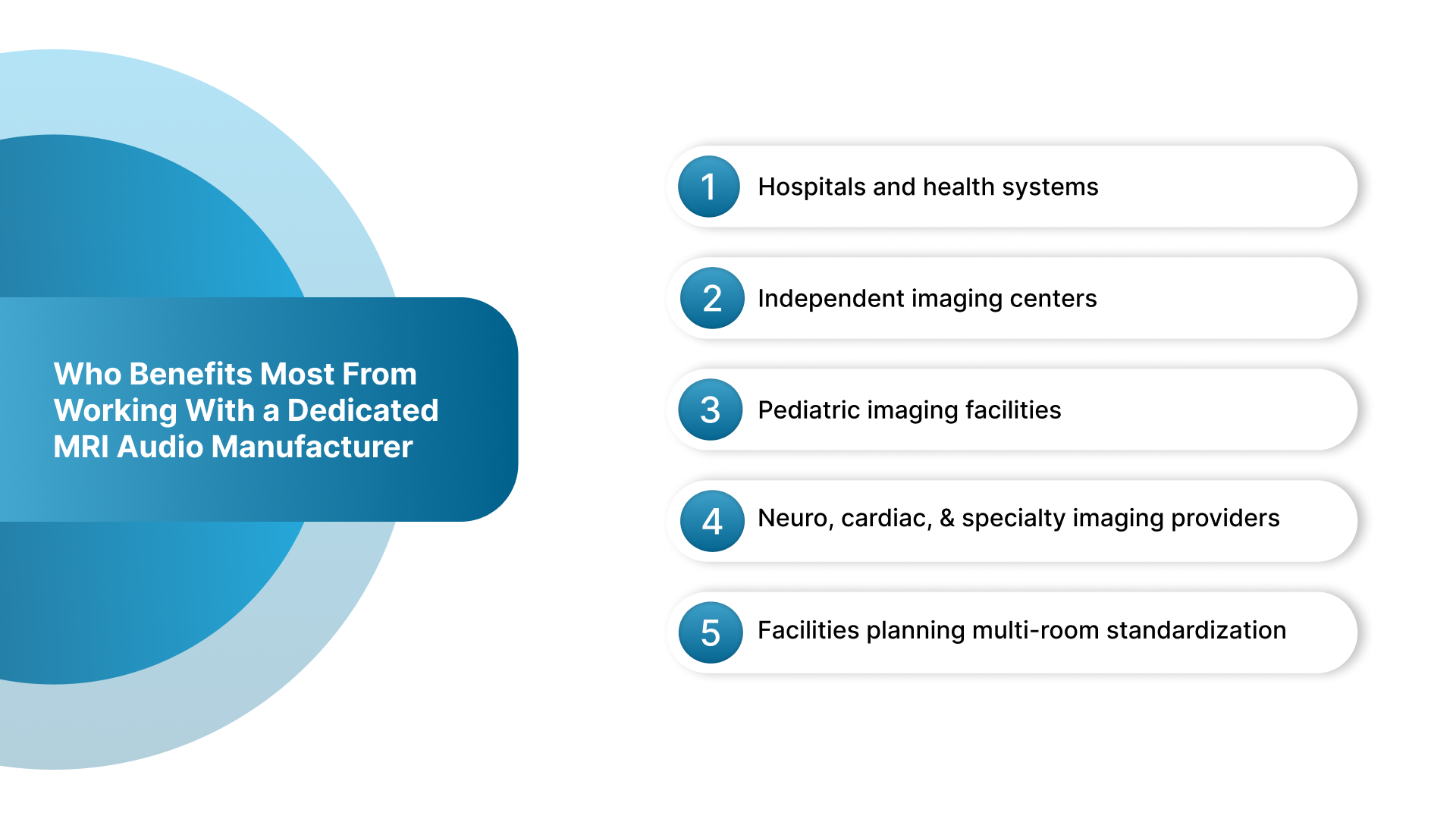
Hospitals and health systems: Large hospitals often operate multiple MRI scanners across departments. Working with a manufacturer helps support standardization, consistent training, and reliable long-term supply.
Independent imaging centers: High-throughput centers rely on smooth workflow and repeatable performance. Reliable audio systems that reduce rescans and patient movement support both efficiency and patient satisfaction.
Pediatric imaging facilities: Children are more sensitive to noise, discomfort, and anxiety. Audio systems designed for comfort and clear communication help pediatric patients complete scans with less distress and movement.
Neuro, cardiac, and specialty imaging providers: Long or complex exams place higher demands on patient comfort and communication. Manufacturer-designed audio systems better support extended wear and consistent clarity.
Facilities planning multi-room standardization: Imaging centers expanding or upgrading multiple scanners benefit from stable designs and predictable availability that manufacturers can provide over time.
For these environments, working with a dedicated MRI audio manufacturer supports not only day-to-day scanning but also long-term planning, consistency, and patient-centered care.
Suggested Read: Safely Share Headphones by using Disposable Covers
Conclusion
Choosing the best MRI audio systems company in 2026 requires looking beyond surface-level features and focusing on long-term clinical performance. MRI audio systems directly influence patient comfort, communication clarity, motion control, and workflow efficiency, all of which affect image quality and operational outcomes.
Imaging centers benefit most when they work with manufacturers that design specifically for MRI environments, understand shared-use clinical realities, and support consistency over time. Factors such as MRI-safe engineering, patient fit, hygiene readiness, and reliable long-term availability are not optional. They are essential for modern imaging operations.
As MRI exams continue to grow in complexity and duration, audio systems should be treated as part of the imaging infrastructure itself. Facilities that prioritize manufacturer expertise position themselves to deliver calmer patient experiences, fewer rescans, and more predictable day-to-day operations.
Selecting the right MRI audio systems manufacturer is ultimately about trust, stability, and alignment with how imaging is practiced today and how it will evolve in the years ahead.
Need help selecting or standardizing MRI audio systems for your facility? Contact Scan Sound for guidance on compatibility, fit, and long-term MRI audio solutions designed for clinical use.
FAQs
Q: What makes an MRI audio system truly MRI-safe?
A: An MRI-safe audio system is designed using non-magnetic materials and components that do not interfere with the magnetic field or image quality. These systems are engineered specifically for MRI environments rather than adapted from consumer audio products.
Q: Are MRI audio systems interchangeable across different scanners?
A: Not always. Compatibility can vary based on scanner model, room setup, and existing infrastructure, so facilities should confirm fit and integration before standardizing an audio system across scanners.
Q: How do imaging centers manage hygiene for shared MRI headphones?
A: Most facilities rely on cleanable materials combined with disposable headphone covers. This approach supports infection control while allowing safe reuse in high-volume imaging environments.
Q: How long should an MRI audio system last in clinical use?
A: A well-designed MRI audio system should support years of consistent clinical use with access to replacement parts and accessories. Longevity depends largely on manufacturer design control and ongoing product support.
Q: When is customization necessary for MRI audio systems?
A: Customization is often helpful for pediatric imaging, specialty scans, or facilities with unique workflow needs. Manufacturer-level customization can improve comfort, fit, and communication reliability in these cases.