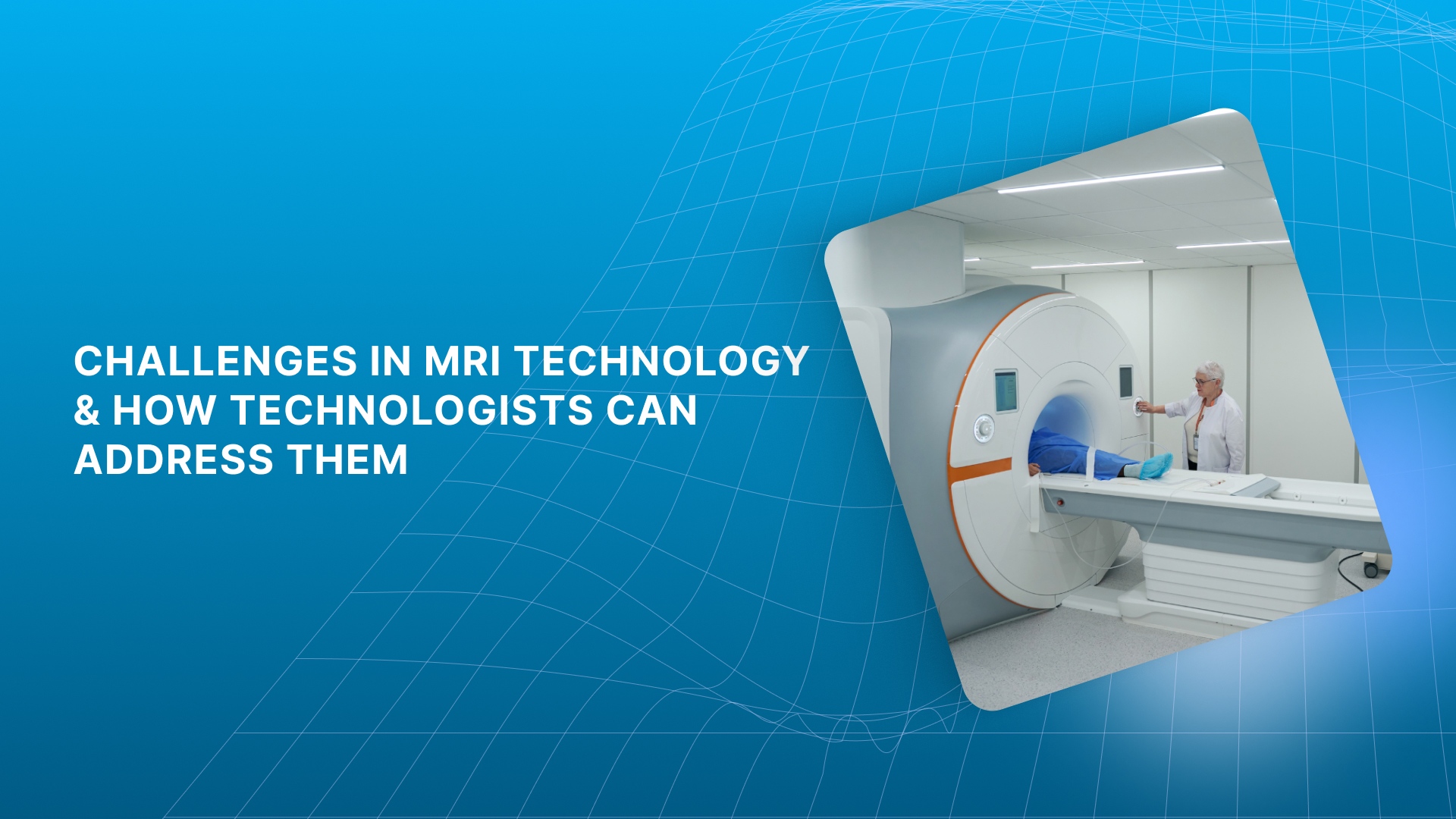
MRI may look routine, but every scan balances speed, image quality, patient comfort, and safety, and that balance is getting harder to maintain. Staffing shortages are a major factor: a 2024 ASRT survey reported an 18.1% radiologic technologist vacancy rate, up from 6.2% just three years earlier. At the same time, MRI leaves little margin for error; motion, artifacts, implant screening issues, and workflow delays can quickly lead to repeats and lost time.
This article highlights the key challenges in MRI technology and outlines practical, technologist-driven strategies to reduce repeats, protect image quality, and keep patients and schedules on track.
Key Highlights
MRI technologists face rising operational pressure, with an 18.1% vacancy rate in 2024, making patient management, image quality, and workflow consistency harder to maintain.
Major technical challenges include motion artifacts, high acoustic noise (95–120 dB), claustrophobia, data bottlenecks, and safety risks around implants and ferromagnetic objects.
Patient factors remain the biggest source of repeats, with anxiety, discomfort, and poor preparation directly affecting stillness and image quality.
Technologist-driven strategies, better communication, continuous training, optimized protocols, and strict safety practices significantly improve exam success and reduce workflow delays.
MRI-safe audio and comfort solutions from ScanSound help minimize noise stress, reduce patient anxiety, and support technologists in delivering smoother, higher-quality scans with fewer repeats.
What Is MRI and How It Works?
Magnetic Resonance Imaging (MRI) is a noninvasive diagnostic imaging modality that produces detailed images of internal anatomy without using ionizing radiation. MRI relies on the interaction between strong magnetic fields, radiofrequency (RF) pulses, and signal processing to visualize soft tissues with high contrast.
When a patient enters the MRI scanner, the static magnetic field aligns hydrogen protons in the body. RF pulses are then applied to disturb this alignment temporarily. As the protons relax back to their equilibrium state, they emit signals that are detected by RF coils and converted into diagnostic images.
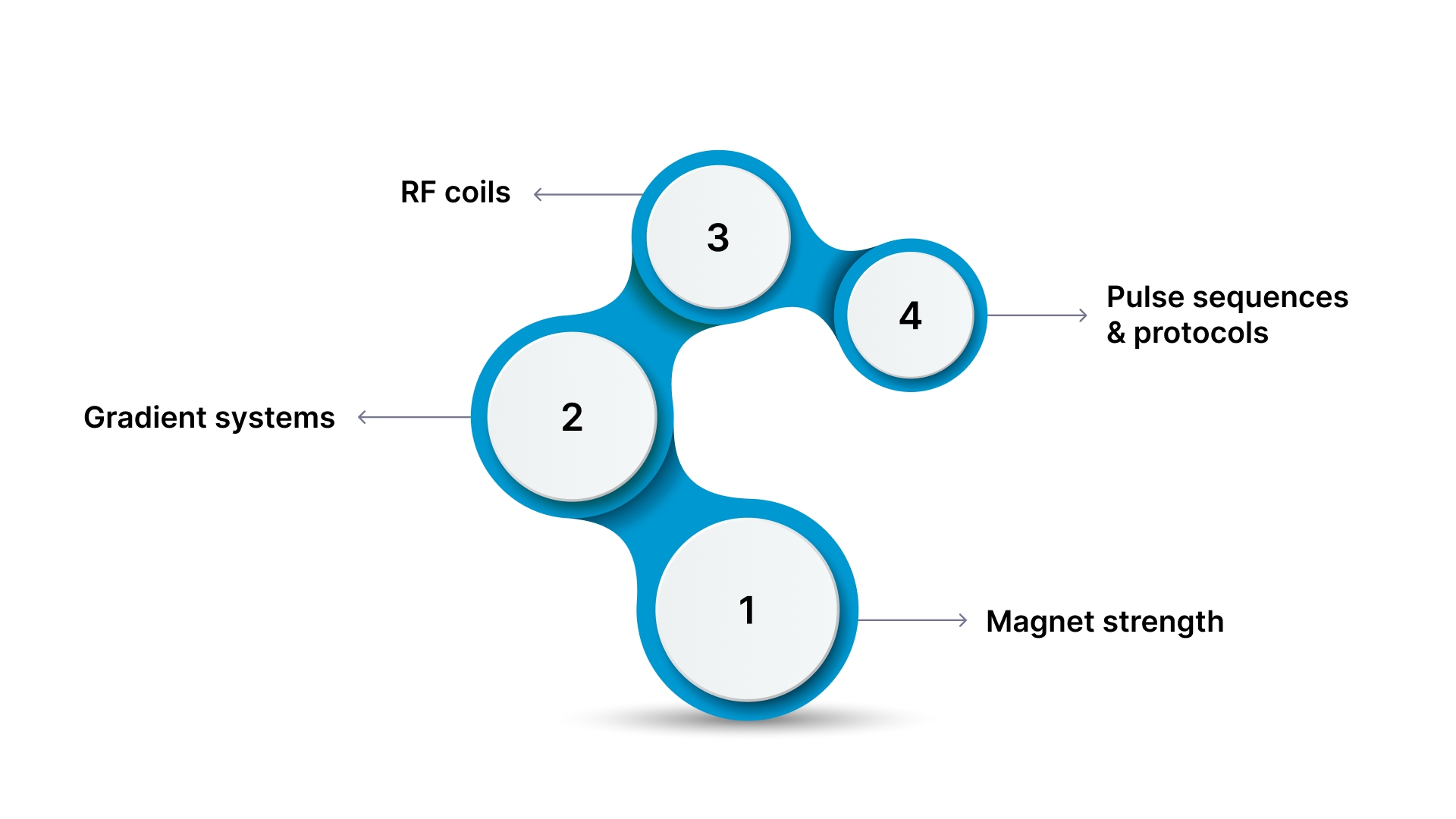
Key system components that influence image quality and exam performance include:
Magnet strength: Affects signal-to-noise ratio, spatial resolution, and scan time.
Gradient systems: Enable spatial encoding and rapid image acquisition.
RF coils: Transmit and receive signals from specific anatomical regions.
Pulse sequences and protocols: Control image contrast, sensitivity to motion, and artifact behavior.
The Role of MRI Technologists
MRI technologists are central to transforming advanced MRI technology into accurate, clinically useful images. Their role extends beyond operating the scanner and directly impacts patient safety, image quality, and workflow efficiency.
Key responsibilities include:
Selecting and adjusting imaging protocols based on clinical indications.
Performing thorough MRI safety screening for implants, devices, and contraindications.
Positioning patients accurately to optimize anatomy coverage and reduce artifacts.
Monitoring images in real time and making technical adjustments as needed.
Ensuring compliance with safety standards related to magnetic fields and RF exposure.
While MRI technology is powerful, its complexity introduces significant operational and clinical challenges. From motion artifacts and workflow constraints to safety risks and staffing pressures, technologists face obstacles that can affect both image quality and patient outcomes.
Let's explore the key challenges in MRI technology and practical strategies technologists can use to address them effectively.
7 Major Challenges in MRI Technology
MRI offers unmatched soft-tissue contrast, but its complexity introduces challenges that affect patient experience, image quality, safety, and operational efficiency. These issues are not isolated; they often overlap, amplifying their impact on daily MRI operations.
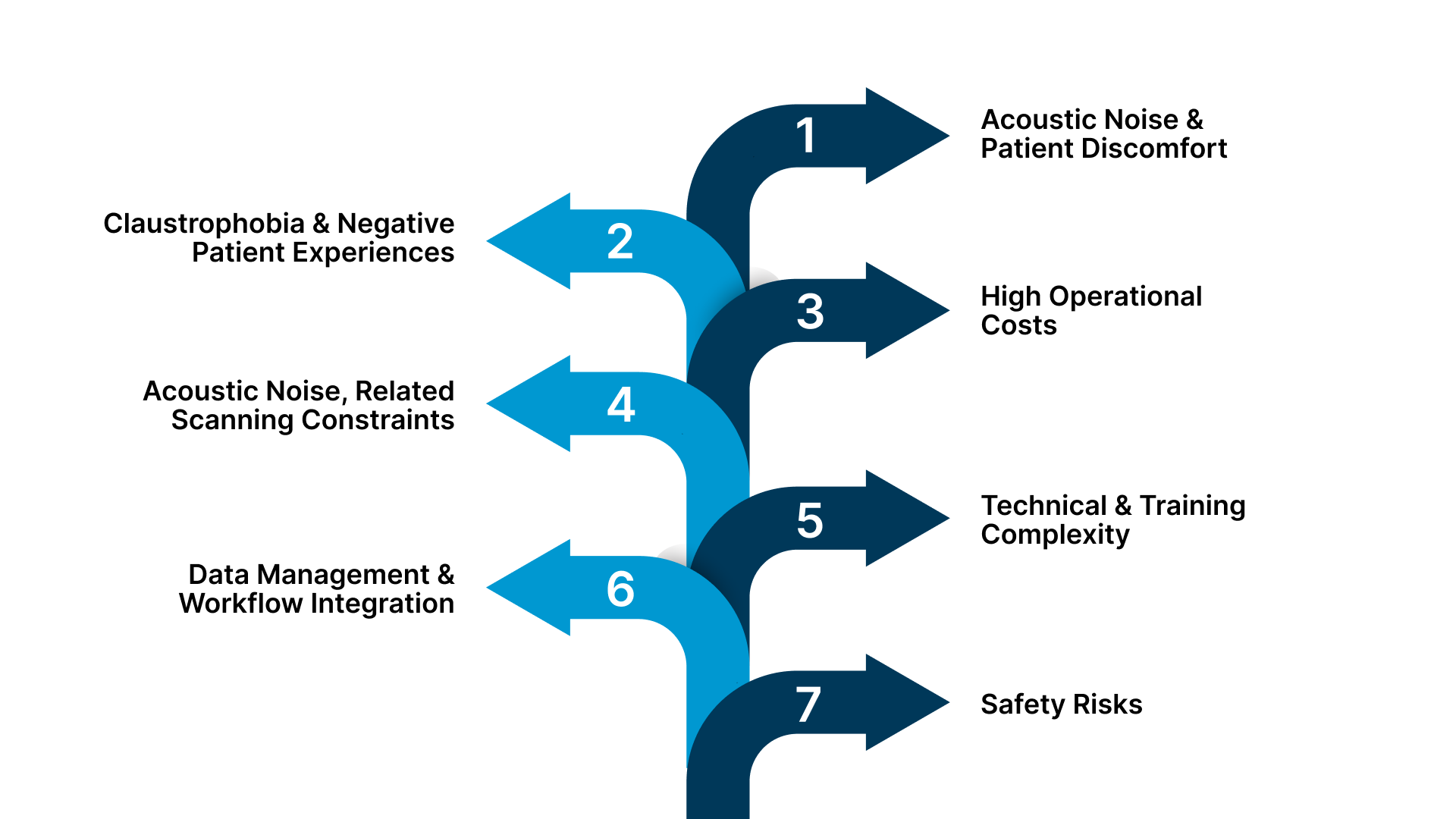
1. Acoustic Noise and Patient Discomfort
MRI scanners generate high acoustic noise, commonly ranging from 95 to 120 decibels, as a result of rapid gradient coil switching. While this noise does not directly degrade image quality, it can significantly increase patient stress, anxiety, and fatigue during the exam.
Elevated stress levels make it more difficult for patients to remain still, increasing the risk of motion artifacts, prolonged scan times, and repeat sequences. Effective noise mitigation, combined with clear patient instruction and reassurance, plays a critical role in improving scan tolerance and reducing motion-related errors.
2 Claustrophobia and Negative Patient Experiences
Claustrophobia remains one of the most frequent patient-related challenges in MRI. Research suggests that 1–15% of patients experience notable anxiety within the confined scanner bore, particularly during long or high-resolution exams.
Anxious patients are more likely to move, request scan termination, or require rescheduling, disrupting workflow and reducing scanner efficiency. Technologists can significantly improve outcomes through:
Pre-scan education that sets realistic expectations
Ongoing communication during the exam
Use of comfort aids and relaxation techniques
Reducing anxiety not only improves patient experience but also directly contributes to higher-quality images and fewer repeat scans.
3 High Operational Costs
MRI systems are among the most expensive imaging modalities to purchase, install, and maintain. Costs extend beyond the scanner itself to include specialized room construction, power and cooling infrastructure, and ongoing service requirements.
These financial demands can limit access to MRI services, particularly in smaller facilities, leading to high utilization rates in existing systems. As a result, technologists often work under tight scheduling constraints, where even minor delays can cascade into longer patient wait times and increased operational pressure.
4 Acoustic Noise, Related Scanning Constraints
In advanced applications such as functional MRI (fMRI), acoustic noise presents more than a comfort issue. Scanner noise can interfere with auditory processing tasks and influence neural activation patterns, potentially affecting the accuracy of functional studies.
Managing this challenge requires careful protocol selection and coordination with clinical or research teams to balance diagnostic requirements with acceptable noise levels.
5 Technical and Training Complexity
MRI is one of the most technically demanding imaging modalities in clinical practice. Continuous advancements in pulse sequences, acceleration techniques, coil design, and software interfaces require technologists to update their knowledge and skills regularly.
Common challenges include:
Keeping pace with new imaging techniques and protocols
Troubleshooting complex artifacts in real time
Maintaining consistency across different scanner models and software versions
Without structured ongoing training, these complexities can increase exam variability and reduce overall efficiency.
6 Data Management and Workflow Integration
MRI exams generate large datasets that must move efficiently through imaging, storage, and reporting systems. Inefficient data workflows can lead to:
Delays in image availability for interpretation
Bottlenecks in reporting
Increased administrative burden on technologists
Streamlined workflow integration is essential to maintain productivity, particularly in high-volume imaging departments where time delays directly affect patient care.
7 Safety Risks: Ferromagnetics, Implants, and Burns
MRI safety presents unique challenges due to powerful magnetic fields and radiofrequency energy. Key risks include:
Projectile incidents involving ferromagnetic objects
Heating or malfunction of implanted devices
Skin burns caused by RF energy or improper patient positioning
Technologists play a critical role in mitigating these risks through rigorous screening, strict zone control, and continuous vigilance throughout the exam. Even small lapses in safety procedures can result in serious adverse events.
These challenges illustrate why successful MRI practice depends on more than advanced equipment alone. Now we’ll examine practical, technologist-driven strategies that can help overcome these obstacles, improving image quality, patient comfort, safety, and overall workflow efficiency.
How Technologists Can Address These Challenges
While MRI technology presents complex challenges, many can be effectively managed through thoughtful technologist practices. By combining technical expertise with patient-centred care and workflow awareness, technologists can significantly improve image quality, safety, and overall exam efficiency.
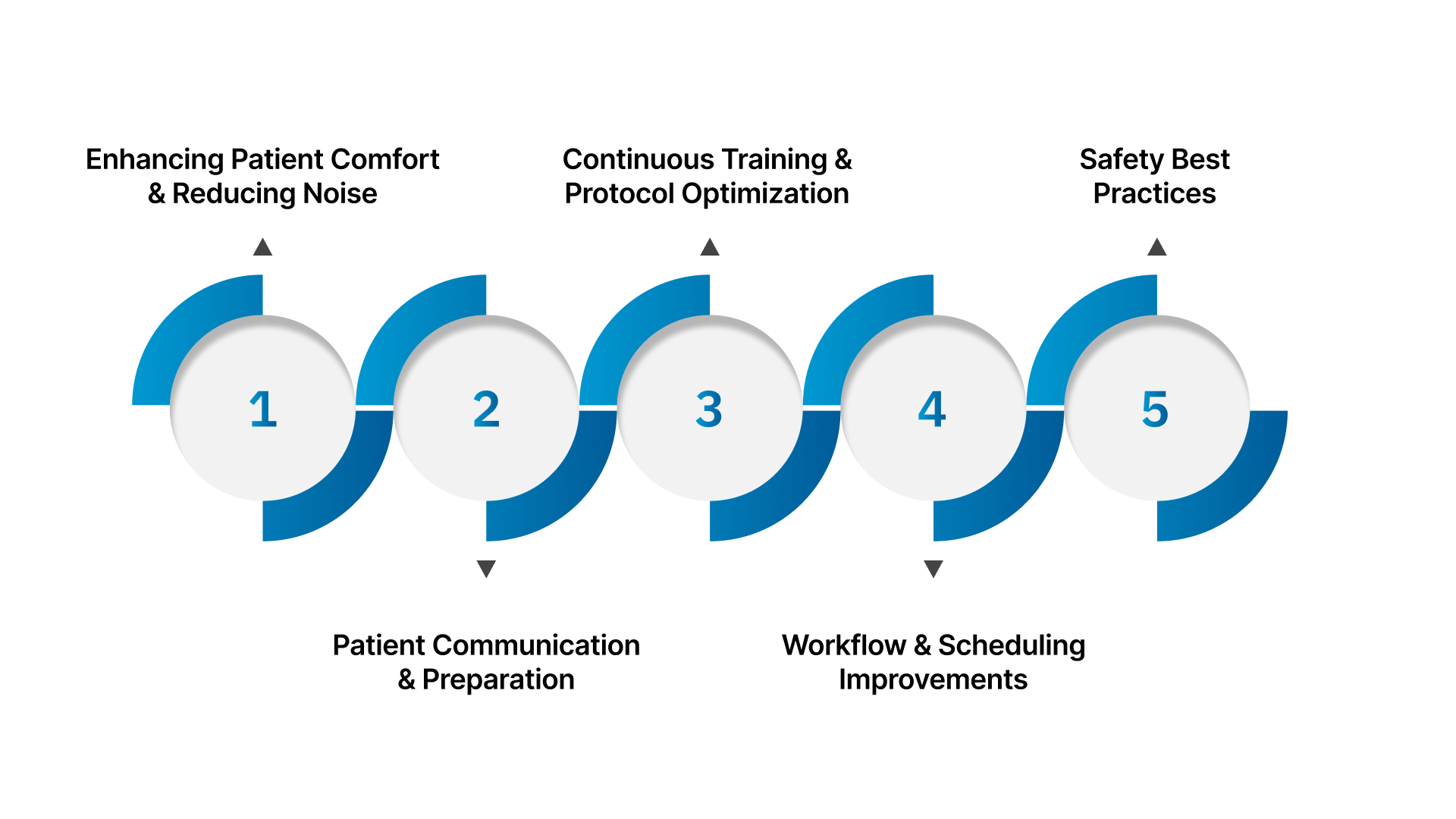
1. Enhancing Patient Comfort and Reducing Noise
Acoustic noise is one of the most common sources of patient distress during MRI exams. Reducing its impact improves patient tolerance and helps minimize motion-related artifacts.
Effective strategies include:
Providing MRI-compatible headphones and audio systems that deliver music or spoken audio to mask scanner noise and create a calming environment. Solutions such as ScanSound allow patients to tolerate long or high-noise sequences better.
Using cushioned ear pads, disposable ear covers, and proper hearing protection to enhance comfort while maintaining infection control standards.
Ensuring the correct fit and positioning of hearing protection to maximize noise reduction throughout the exam.
Improving auditory comfort directly supports patient cooperation, reducing motion and the need for repeat scans.
2. Patient Communication and Preparation
Clear communication is one of the most effective and often underutilized tools available to MRI technologists. Well-prepared patients are more likely to remain still and complete the exam successfully.
Best practices include:
Explaining the procedure, scan duration, and expected sounds before the patient enters the scanner
Conducting brief pre-scan walkthroughs to set expectations and reduce uncertainty
Using relaxation techniques such as paced breathing or guided instructions
Allowing patients to choose their preferred music when possible to enhance comfort and control
Consistent communication during the scan reassures patients and helps maintain cooperation, especially during longer or more complex exams.
3. Continuous Training and Protocol Optimization
Ongoing education is essential in MRI due to frequent advancements in hardware, software, and pulse sequence design. Technologists who remain up to date are better equipped to optimize exams and troubleshoot issues in real time.
Key approaches include:
Regular in-service training on new pulse sequences, coils, and system updates
Reviewing protocol performance to identify opportunities for scan-time reduction or artifact minimization
Sharing best practices and case-based learning within the imaging team
Well-trained technologists can tailor protocols to patient needs while maintaining diagnostic quality and efficiency.
4. Workflow and Scheduling Improvements
Efficient workflow management reduces stress on both patients and staff while maximizing scanner utilization.
Effective strategies include:
Implementing priority sequencing for urgent or inpatient cases
Using predictive scheduling to anticipate longer exams and reduce downstream delays
Monitoring downtime patterns to identify workflow inefficiencies
Coordinating closely with radiologists and referring departments to minimize last-minute protocol changes
Small workflow improvements can lead to significant gains in throughput and exam consistency.
5. Safety Best Practices
MRI safety is non-negotiable and relies heavily on technologist vigilance. Strong safety culture protects patients, staff, and equipment.
Core safety measures include:
Maintaining rigorous ferromagnetic screening processes at every stage of patient entry
Verifying implant status and conditions (MR Safe, MR Conditional, MR Unsafe) before scanning
Using proper padding and positioning aids to prevent RF-related burns and pressure injuries
Continuously monitoring patients throughout the exam for discomfort or unexpected symptoms
Adhering to these practices minimizes risk while reinforcing trust in the MRI environment.
By focusing on patient comfort, communication, continuous learning, efficient workflow, and uncompromising safety, MRI technologists can overcome many of the challenges inherent to MRI technology. These strategies not only improve diagnostic outcomes but also enhance patient satisfaction and department performance.
How Scan Sound Solutions Supports MRI Patient Comfort and Exam Quality
Improving patient comfort is one of the most effective ways to reduce motion artifacts, aborted scans, and workflow disruptions in MRI. ScanSound focuses specifically on MRI-safe audio and comfort solutions designed to function reliably in high-field environments without compromising safety or image quality.
Their product range targets two of the most persistent MRI challenges: acoustic noise and patient anxiety, while supporting technologists in delivering smoother, more efficient exams.
Scan Sound Product | What It Is (From Official Website) | MRI Challenge Addressed | Practical Impact for Technologists |
|---|---|---|---|
Complete MRI-compatible audio systems designed to deliver stereo music or audio safely during scans. | Acoustic noise, patient anxiety | Helps patients tolerate loud gradient noise, improves stillness, and reduces motion artifacts | |
Non-magnetic headphones designed specifically for MRI use | Noise discomfort, claustrophobia | Improves patient comfort during long scans, leading to better cooperation and fewer repeats | |
Single-use sanitary covers for MRI headphones | Hygiene and infection control | Supports clean workflows in high-volume departments without slowing patient turnover | |
Comfort-focused ear cushions compatible with MRI headphones | Physical discomfort inside the bore | Reduces pressure points, improves tolerance of extended exams | |
Hardware that safely transmits audio into the MRI room | Technical compatibility and safety | Ensures consistent audio delivery without interfering with MRI systems | |
MRI Audio Accessories (Cables, Adapters) | MRI-safe accessories for integrating audio systems | Workflow integration | Allows technologists to use audio solutions without adding setup complexity |
From a technologist’s perspective, audio solutions are not just comfort add-ons; they directly influence exam quality and efficiency. Calmer patients are more likely to remain still, follow breathing instructions, and complete exams without interruption. This leads to:
Reduced motion artifacts
Fewer repeat sequences
Improved image consistency
Better schedule adherence
By addressing patient stress at the source, audio solutions help technologists manage multiple challenges simultaneously.
Future Directions in MRI
MRI technology continues to evolve, driven by the need for greater accessibility, efficiency, and image quality. Emerging innovations are reshaping how MRI systems are designed and how technologists interact with them in clinical practice.
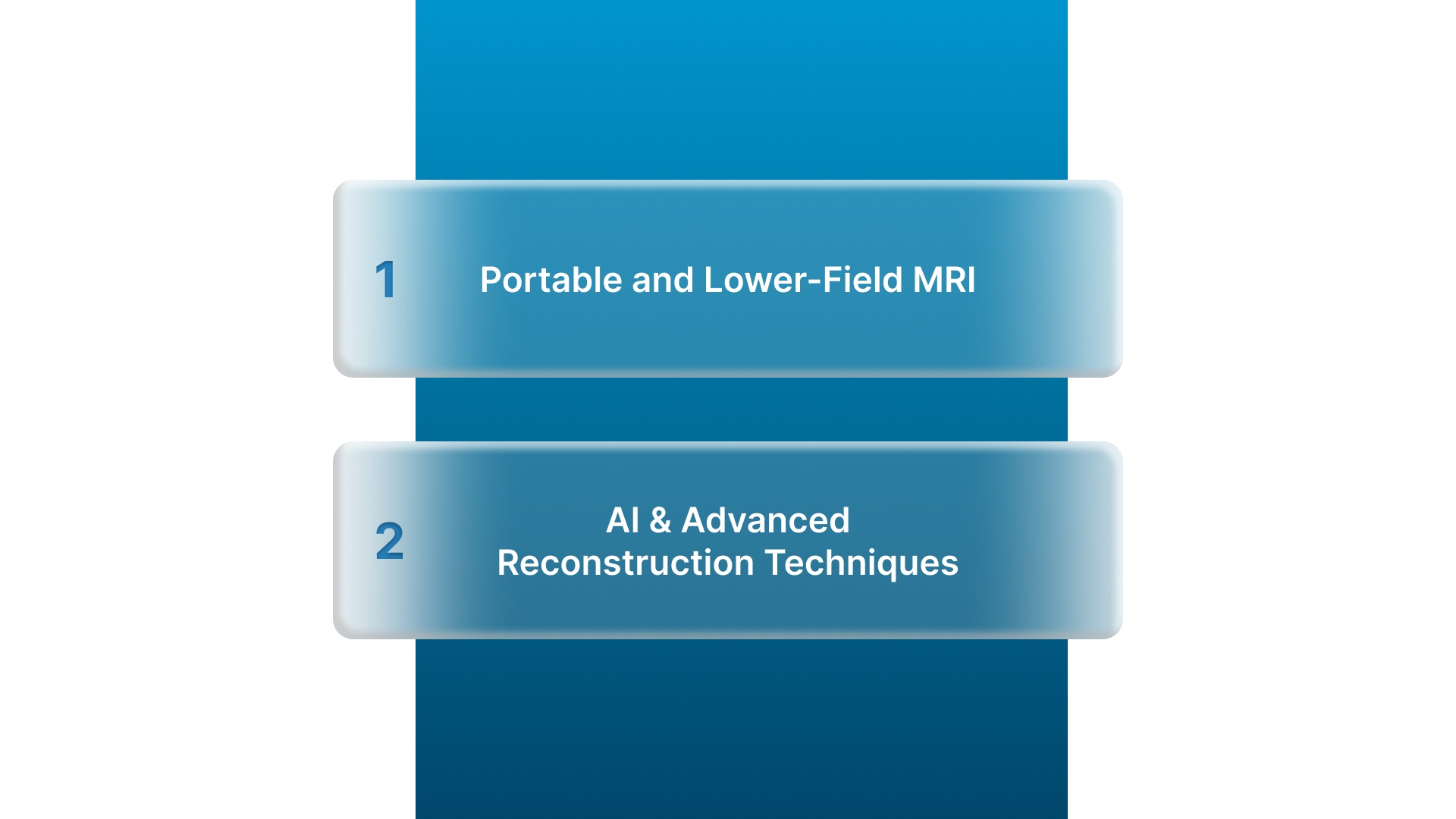
1. Portable and Lower-Field MRI
Traditional MRI systems are expensive, resource-intensive, and fixed in location. To address these limitations, newer technologies are focusing on portable and lower-field MRI systems that expand access beyond conventional imaging centers.
Key developments include:
Compact and mobile MRI designs that can be deployed in emergency departments, intensive care units, and remote or underserved locations.
Lower-field magnets that require less power, reduced shielding, and simpler infrastructure compared to high-field systems.
Optimized software and hardware integration that compensates for lower signal strength while maintaining. clinically useful image quality
These advancements have the potential to reduce installation and operating costs, shorten setup times, and make MRI imaging more widely available, while introducing new workflows that technologists will need to adapt to.
2. AI and Advanced Reconstruction Techniques
Artificial intelligence is increasingly influencing MRI image acquisition and reconstruction. AI-driven algorithms are designed to enhance efficiency without compromising diagnostic accuracy.
Key impacts include:
Reduced scan times through accelerated acquisition and intelligent reconstruction.
Improved signal-to-noise ratio and spatial resolution, even in faster or lower-field scans.
Advanced artifact suppression, helping correct motion, noise, and undersampling effects.
For technologists, these tools can simplify protocol selection, reduce the need for repeat sequences, and improve consistency across exams. As AI becomes more integrated into MRI workflows, technologists will play a critical role in understanding its capabilities, limitations, and appropriate clinical use.
Conclusion
MRI technology continues to evolve despite challenges related to noise, cost, technical complexity, and workflow demands. At the center of successful MRI practice are technologists, whose expertise directly impacts patient comfort, safety, and image quality.
By following best practices, staying current with advancements, and using patient-centered tools such as MRI-safe audio systems and comfort accessories, imaging facilities can reduce motion artifacts, improve scan completion, and enhance overall efficiency.
If improving patient comfort, reducing motion-related repeats, and enhancing overall MRI workflow are priorities for your facility, explore MRI-safe audio solutions from ScanSound.
Scan today. Improve the experience today. Invest in solutions that help every scan succeed.
FAQs
1. How does patient movement affect MRI image quality?
Even small movements can cause motion artifacts, leading to blurred images or incomplete studies. This often results in repeat sequences or rescheduled exams.
2. How do MRI-safe audio systems help during scans?
MRI-safe audio systems help mask scanner noise and reduce anxiety by providing music or calming audio, which improves patient cooperation during exams.
3. Are MRI audio devices safe to use inside the scanner?
Yes, MRI-safe audio devices are made from non-magnetic materials and are designed to operate without interfering with MRI systems or image quality.
4. What role do MRI technologists play in patient experience?
Technologists guide patients through the exam, manage comfort, ensure safety, and adjust protocols, making them essential to both image quality and patient satisfaction.
5. How do MRI-safe accessories support infection control?
Disposable headphone covers and easily cleaned accessories help maintain hygiene in high-volume MRI environments without slowing workflow.