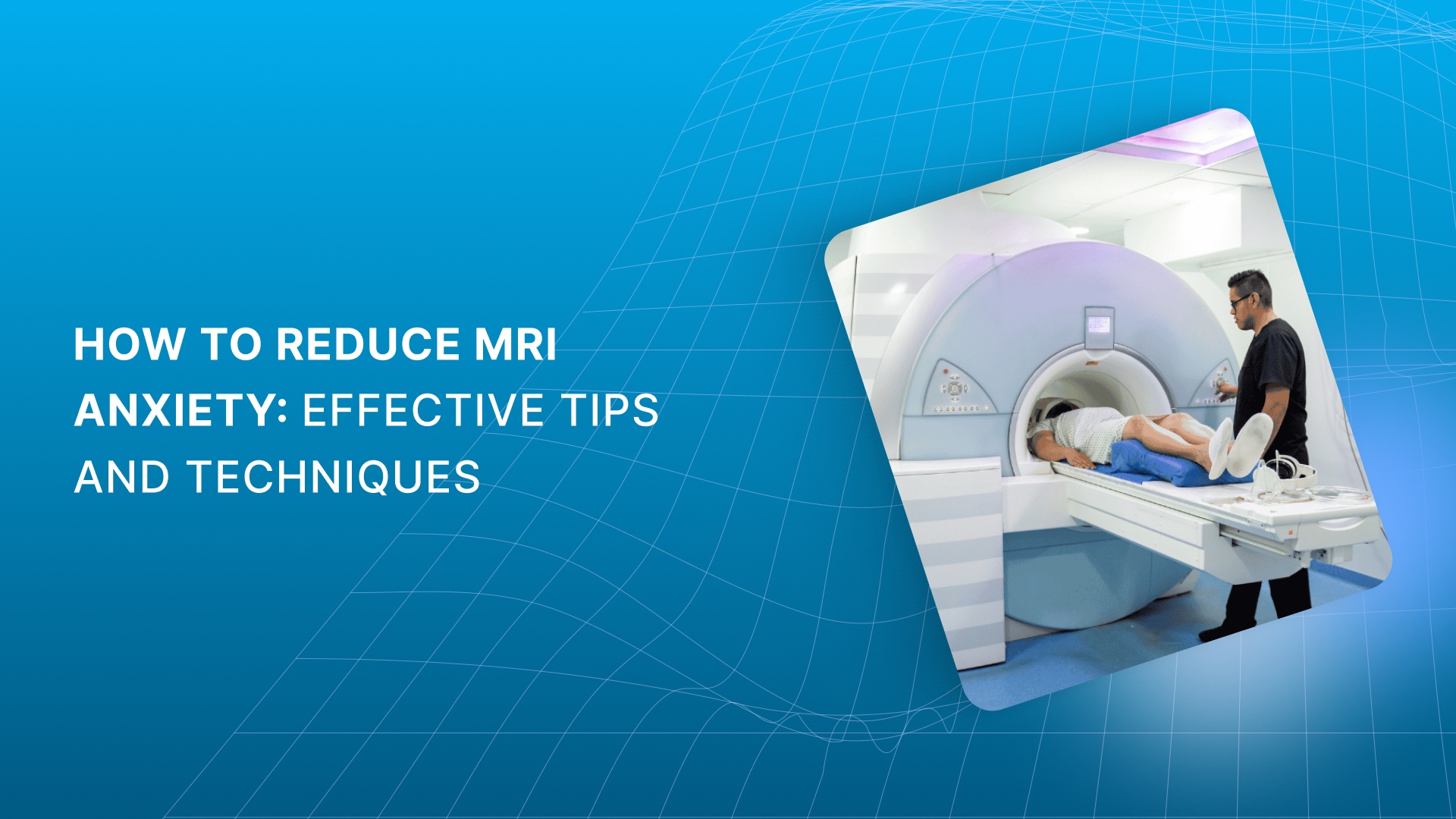
The MRI itself isn’t painful, yet for a lot of people, it’s the hardest part of the diagnostic journey. The moment the table slides in, the noise kicks up, and the room goes quiet, anxiety can spike fast. Research has found that about 66.6% of patients report moderate-to-severe anxiety during an MRI.
That stress isn’t just uncomfortable; it can change the outcome of the exam. Anxiety makes it harder to stay still, increasing the risk of motion artifacts, longer scan times, repeat sequences, or, in some cases, ending the scan early. In a large service review, incomplete MRI examinations due to claustrophobia occurred in about 0.76% of cases, which is small, but significant when scaled across busy imaging departments.
Reducing MRI anxiety isn’t “extra”, it’s a practical way to protect image quality, cut delays, and help patients get through the scan with confidence.
Key Highlights
MRI anxiety affects up to 66.6% of patients, directly impacting stillness, scan quality, and workflow efficiency across imaging departments.
Major anxiety triggers include loud scanner noise, claustrophobic bore design, fear of diagnostic results, and lack of clear communication.
Anxiety leads to measurable operational challenges, motion artifacts, repeat sequences, longer scan times, scan abandonment, and increased reliance on sedation.
Targeted pre-scan and in-scan strategies, patient education, open communication, comfort positioning, screening for anxiety, and calming MRI suite design significantly improve patient cooperation and reduce repeats.
MRI-safe audio systems from Scan Sound help mask scanner noise, lower stress, and keep patients still, making them one of the most effective tools for enhancing comfort and achieving smoother, higher-quality scans.
Why MRI Anxiety Is So Common?
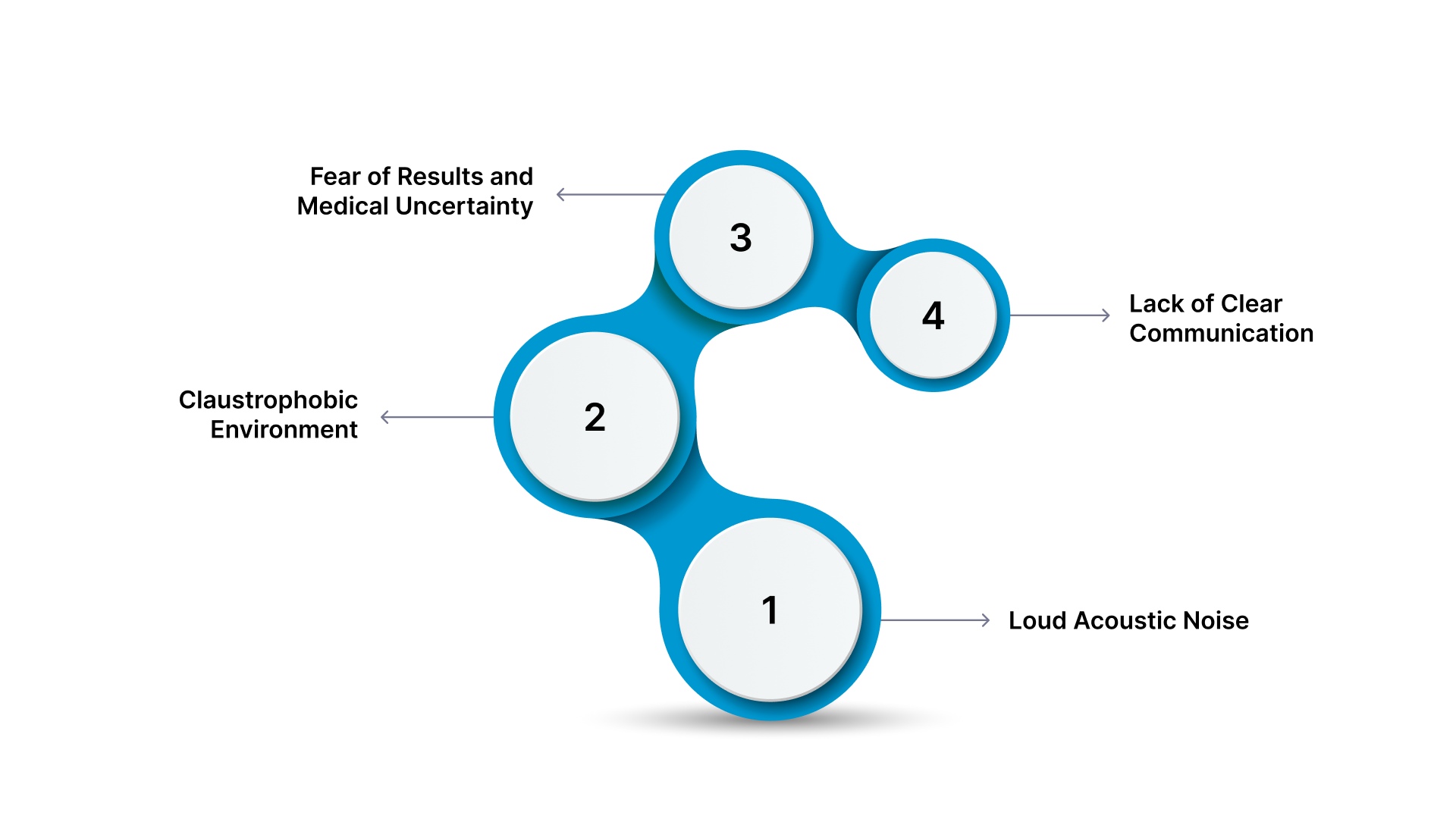
MRI anxiety doesn’t come from a single source; it’s usually the result of several stressors hitting at once. When technologists understand why patients feel uneasy, they’re better equipped to prevent anxiety from escalating during the scan.
1. Loud Acoustic Noise
MRI scanners produce rapid knocking, thumping, and buzzing sounds as magnetic gradients switch on and off. These noises can reach unexpectedly high volumes and occur without warning, which can be jarring, especially for first-time patients. For someone already nervous, the intensity and unpredictability of the sound can quickly feel overwhelming.
2. Claustrophobic Environment
The MRI bore is narrow, enclosed, and visually restrictive. Patients often have limited head and body movement, and once positioned, they may not be able to see outside the scanner. This loss of spatial awareness can trigger feelings of panic, particularly in individuals with claustrophobia, generalized anxiety, or a history of traumatic medical experiences.
3. Fear of Results and Medical Uncertainty
Anxiety often starts before the scan begins. Many patients associate MRI exams with serious or life-altering diagnoses, which adds emotional weight to the procedure. Worrying about what the images might reveal can heighten stress levels, making it harder for patients to relax or remain still during the exam.
4. Lack of Clear Communication
When instructions are rushed, overly technical, or incomplete, patients may feel unprepared and powerless. Not knowing how long the scan will take, when noises will occur, or what sensations are normal can amplify fear. Clear, calm communication plays a critical role in helping patients feel informed, supported, and in control.
The Impact of MRI Anxiety on Scan Quality and Workflow
MRI anxiety affects far more than patient comfort; it has real, measurable consequences for image quality, efficiency, and staff workload.
Increased motion and repeat scans: Anxious patients are more likely to move, tense their muscles, or struggle to remain still. Even small movements can degrade image quality, forcing technologists to repeat sequences or extend scan times. This not only delays results for the patient but also disrupts tightly scheduled MRI workflows.
Higher likelihood of scan abandonment: When anxiety becomes overwhelming, some patients request to stop the exam or cannot complete it at all. Abandoned scans waste scanner time, require rescheduling, and may delay diagnosis or treatment, especially problematic for patients who already face long wait times.
Greater reliance on sedation: To manage severe anxiety or claustrophobia, sedation is sometimes used as a last resort. While effective, it increases procedural costs, introduces medical risks, and often requires additional staffing, monitoring, and recovery time. Sedation can also limit scheduling flexibility and reduce daily scan capacity.
Added stress for technologists and staff: Managing anxious patients while maintaining throughput places extra pressure on MRI technologists and support staff. Reassuring distressed patients, repeating scans, or handling aborted exams can contribute to fatigue, stress, and burnout, particularly in high-volume departments.
Reducing MRI anxiety isn’t just a patient-centered goal; it’s a practical strategy for improving image quality, minimizing delays, lowering costs, and supporting a more efficient, sustainable MRI operation.
Pre-Scan Techniques to Reduce MRI Anxiety
The most effective way to manage MRI anxiety is to address it before the patient ever enters the scan room. Pre-scan preparation sets expectations, builds trust, and prevents fear from escalating once the exam begins.
1 Patient Education Before the Appointment
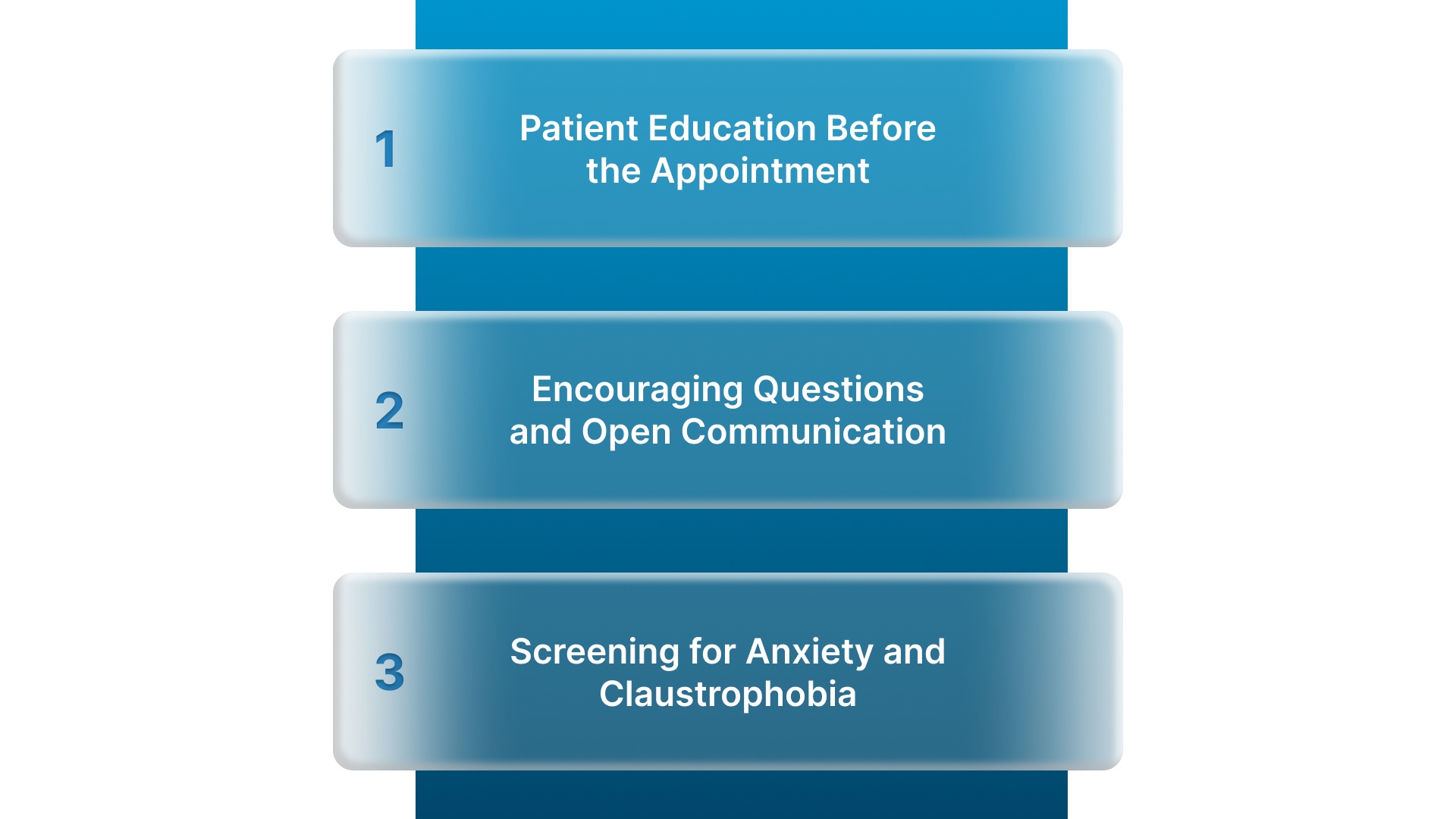
Clear, patient-friendly education is one of the strongest tools for reducing MRI anxiety. When patients know what will happen and why, they feel more in control.
Effective pre-scan education should include:
What the MRI will sound like (including reassurance that noise is normal)
How long the exam will take, with realistic time ranges
What the patient will physically experience, such as vibration or table movement
The importance of staying still and how it affects image quality
Studies show that patients who receive structured information before an MRI report significantly lower anxiety levels compared to those who do not. Pre-visit instructions also reduce day-of questions, helping scans start on time.
2 Encouraging Questions and Open Communication
Anxiety thrives when patients feel rushed or unheard. Taking a moment to invite questions signals safety and builds confidence.
Simple but powerful approaches include:
Asking open-ended questions like “What concerns you most about today’s scan?”
Normalizing fear by acknowledging that anxiety is common
Explaining how patients can communicate during the scan (call button, intercom)
When patients feel their concerns are taken seriously, fear of the unknown decreases, and cooperation improves. Open communication also helps technologists identify anxiety triggers early, before they interfere with the exam.
3 Screening for Anxiety and Claustrophobia
Early identification of anxious or claustrophobic patients allows teams to plan rather than react mid-scan.
Screening can be as simple as:
A brief questionnaire during scheduling or check-in
Direct questions about prior MRI experiences
Noting requests for open MRI or previous scan interruptions
Research indicates that prior negative MRI experiences and self-reported claustrophobia are strong predictors of scan intolerance. Identifying these patients in advance allows technologists to prepare comfort strategies, adjust protocols, or allocate extra time, reducing the risk of motion, aborted exams, or sedation.
In-Scan Strategies MRI Technologists Can Use
Once the scan begins, anxiety doesn’t disappear; it either settles or escalates. What technologists do during the exam plays a critical role in keeping patients calm, still, and cooperative.
1. Use of MRI-Compatible Audio Systems
One of the most effective in-scan anxiety-reduction tools is MRI-safe audio and headphone systems. Sound directly targets two of the biggest anxiety triggers: noise and isolation.
Well-designed MRI audio systems help to:
Mask loud gradient noise, reducing sensory overload
Provide mental distraction, shifting focus away from the scan
Create a familiar, calming environment through music or guided audio
Patients who listen to music during MRI exams consistently report lower anxiety and improved tolerance, and technologists often see better stillness as a result. This approach aligns directly with Scan Sound’s MRI audio and patient comfort solutions, which are designed specifically to improve both patient experience and scan performance.
2. Clear and Reassuring Communication During the Scan
Silence can amplify fear. Even brief, calm communication reassures patients that they are not alone and that everything is proceeding as expected.
Effective in-scan communication includes:
Letting patients know when a sequence is starting and ending
Providing time cues (e.g., “This part will take about two minutes”)
Offering positive reinforcement (“You’re doing great, keep holding still”)
Regular verbal check-ins help patients stay oriented and reduce the urge to move, especially during longer exams.
3. Proper Positioning and Comfort Accessories
Physical discomfort often turns into movement, and movement turns into poor image quality. Proper positioning is both a comfort strategy and a technical necessity.
Key comfort measures include:
Adequate padding under pressure points
Head and limb stabilization to reduce involuntary motion
Cushions or supports to maintain natural alignment
When patients are comfortable, they’re less likely to fidget, tense up, or request pauses. The result is smoother exams, fewer repeats, and better images, without extending scan time.
Environmental and Technological Comfort Enhancements
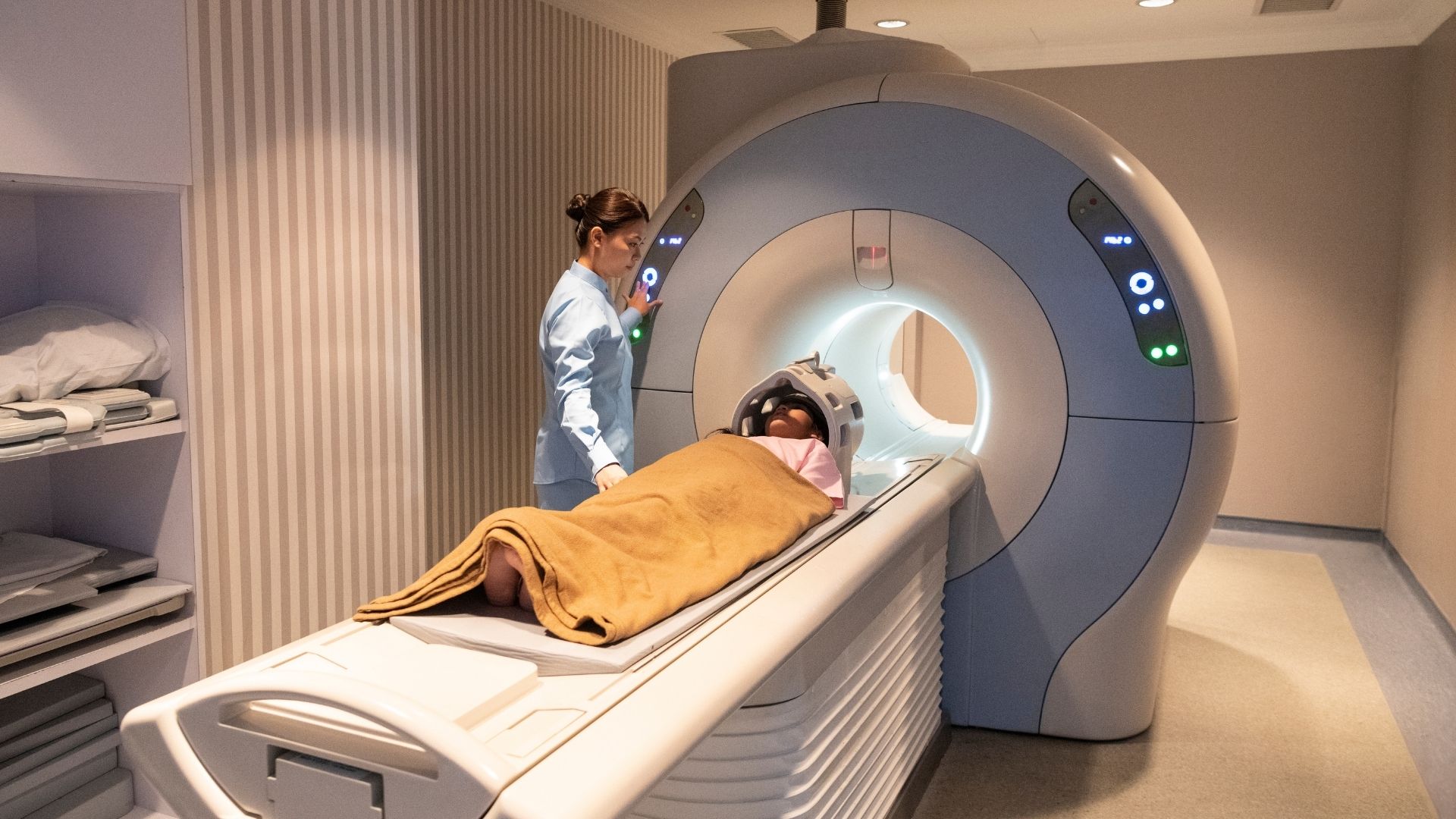
Reducing MRI anxiety isn’t limited to patient interaction alone; the physical environment and technology choices within the imaging suite play a major role in shaping how patients feel before and during the scan.
1. Creating a Calming MRI Suite
Anxiety often builds in the minutes leading up to the exam. A calm, thoughtfully designed MRI suite can help prevent that escalation before the patient ever lies down on the table.
Effective environmental strategies include:
Soft, indirect lighting instead of harsh overhead lights
Comfortable room temperature, with blankets available if needed
Reduced visual clutter to avoid sensory overload
A clean, quiet, and organized space signals safety and professionalism, helping patients relax and mentally prepare for the scan.
2. Open and Wide-Bore MRI Systems
For patients with claustrophobia or high anxiety, scanner design can make a critical difference. Open and wide-bore MRI systems provide more headspace and a greater sense of openness compared to traditional closed-bore scanners.
Benefits include:
Improved tolerance for anxious or claustrophobic patients
Fewer scan interruptions or early terminations
Reduced need for sedation in some cases
When available, scheduling high-anxiety patients on these systems can significantly improve completion rates and overall patient satisfaction.
3. Audio-Visual Distraction Techniques
Distraction is a powerful anxiety-management tool during MRI exams. Audio-based interventions, such as music, calming soundscapes, or guided breathing, help redirect attention away from scanner noise and internal stress responses.
Effective options include:
Music playlists tailored to patient preferences
Guided breathing or relaxation audio for longer scans
Consistent, high-quality sound delivery that remains audible over scanner noise
These techniques help patients regulate breathing, remain still, and feel more in control—benefiting both patient experience and image quality.
Special Considerations for High-Anxiety Patient Groups
Not all patients experience MRI anxiety in the same way. Certain groups require additional awareness, flexibility, and tailored strategies to ensure successful, compassionate imaging outcomes.
1. Pediatric Patients
Children often experience heightened MRI anxiety due to unfamiliar environments, loud noises, and separation from caregivers. Fear can escalate quickly without age-appropriate support.
Effective strategies for pediatric patients include:
Child-friendly explanations using simple language or storytelling
Letting children choose music to create familiarity and comfort
Positive reassurance and encouragement throughout the scan
When children feel safe and engaged, cooperation improves, reducing motion and the need for sedation.
2. Elderly Patients
Older adults may experience anxiety compounded by hearing difficulties, cognitive changes, or physical discomfort. These factors can lead to confusion or fear if not addressed proactively.
Key considerations for elderly patients include:
Clear, slow explanations without technical jargon
Comfort-focused positioning and physical support, such as extra padding
Hearing-friendly communication, including well-fitted headphones and clear audio
A calm pace and patient-centered approach help elderly patients feel respected and secure, improving scan tolerance.
3. Patients With Prior MRI Trauma
Patients with previous negative MRI experiences, such as panic attacks, aborted scans, or sedation complications, often arrive with elevated anxiety levels.
Best practices for these patients include:
Allocating extra time for setup and reassurance
Personalized care plans based on past experiences
Enhanced comfort tools, including audio distraction and frequent communication
Acknowledging past trauma and actively working to prevent repeat distress can rebuild trust and significantly improve the likelihood of a successful exam.
How Scan Sound Supports Reducing MRI Anxiety
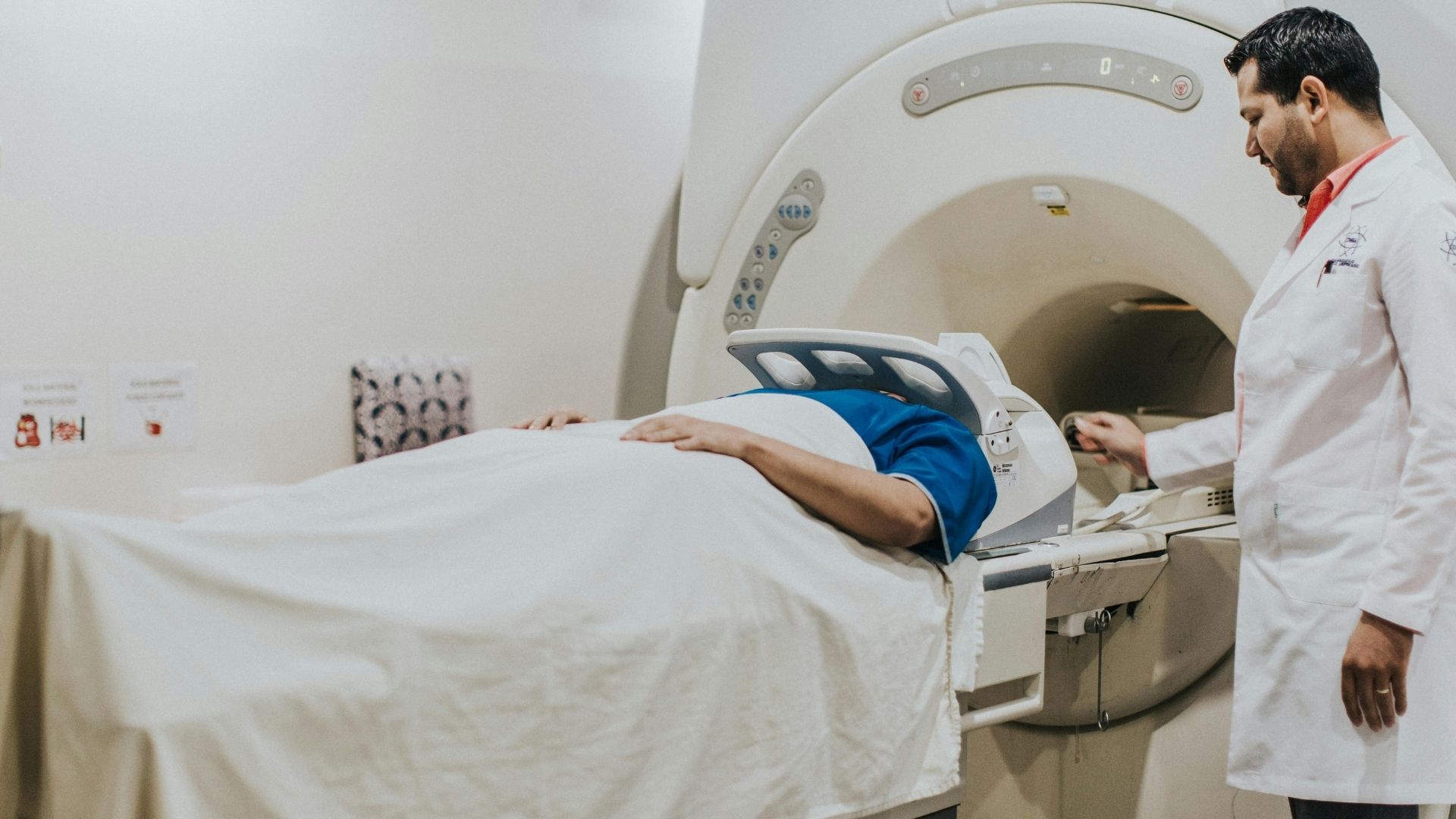
Scan Sound offers real-world tools and products directly aligned with the anxiety-reduction strategies described in this blog. Everything below comes straight from the official Scan Sound website and shows how their solutions can help imaging centers improve patient comfort and cooperation during MRI exams.
1. MRI Audio and Stereo Sound Systems for Patient Comfort
At the heart of Scan Sound’s offerings are MRI patient stereo sound system kits and audio accessories designed to make the MRI experience more pleasant. These systems provide high-quality music that helps:
Mask the loud, repetitive noises of the MRI scanner, which are a common source of anxiety
Create a familiar, calming distraction for patients during long or restrictive scans
Support technologists in keeping patients relaxed and still, which improves image quality and reduces repeat sequences
Scan Sound’s stereo kits are fully MRI-compatible and non-magnetic, ensuring safe operation within scanning environments and comfort for patients.
2. Versatile and Customizable Audio Solutions
Scan Sound offers a range of configurations to suit different facilities and patient needs, such as:
Bluetooth-ready stereo kits compatible with tablets, phones, or radios, which allow patients to choose familiar music playlists and personalize their experience, enhancing distraction and relaxation during the scan.
Stereo and mono MRI-safe headphones engineered without metal components to operate safely inside the scanner and help reduce anxiety through distraction and familiar sound quality.
This flexibility lets imaging centers tailor their approach and integrate audio solutions that best support patient comfort protocols.
3. Comfort-Oriented Accessories and Hygiene Products
Beyond audio systems, Scan Sound also supplies a variety of MRI-compatible accessories that support patient comfort and safety, including:
Disposable headphone covers and foam eartips for hygiene and added comfort
Headphone cushions and replacement earpads to ensure a comfortable fit for patients of all ages
Other accessories that help maintain a calm, reassuring environment during the scan
Ultimately, the right audio systems and comfort tools help patients feel heard, engaged, and calmer, which supports smoother scans, fewer repeats, and better overall outcomes.
Conclusion
MRI anxiety is a solvable challenge when addressed with the right mix of communication, preparation, and patient-centered technology. Identifying anxious patients early, setting clear expectations, and using effective in-scan comfort strategies can significantly improve patient cooperation, image quality, and workflow efficiency.
One of the most impactful solutions is integrating MRI-safe audio systems, which help mask scanner noise, reduce sensory overload, and keep patients calm and still throughout the exam.
Discover how Scan Sound can help improve patient comfort and scan success with MRI-compatible audio solutions designed for real clinical environments.
Create calmer scans. Improve image quality. Support your team. Try Scan Sound solutions today and hear the difference in your MRI practice.
FAQ
1. Why do so many patients feel anxious during an MRI?
Loud scanner noise, confined spaces, fear of results, and unfamiliar medical environments commonly cause MRI anxiety. These factors can trigger stress even in patients without prior anxiety.
2. How does anxiety affect MRI image quality?
Anxious patients are more likely to move or tense up, leading to motion artifacts, repeat scans, and longer exam times that reduce overall image quality.
3. Can MRI anxiety cause a scan to be stopped?
Yes. Severe anxiety or claustrophobia can lead to scan abandonment, requiring rescheduling or alternative imaging approaches.
4. Are MRI scans painful?
No, MRI scans are not painful. However, the noise, stillness, and enclosed space can feel uncomfortable or overwhelming for some patients.
5. How can MRI technologists help reduce patient anxiety?
Technologists can reduce anxiety through clear communication, reassurance, comfort-focused positioning, and offering distraction tools such as music or guided audio.