Imagine listening to your favorite music or taking an important call, only to realize the sound quality just isn’t right. Whether it’s a mono sound that feels flat or a stereo setup that lacks clarity, the wrong audio format can quickly turn an enjoyable experience into frustration.
Did you know that mono Bluetooth headsets hold only about 15% of the global Bluetooth headphone market, while the majority is dominated by stereo and true wireless stereo (TWS) designs? That’s because stereo sound is often the preferred choice for an immersive, balanced listening experience.
In this blog, we’ll break down the key differences between mono vs stereo sound, explore how they affect audio quality, and help you choose the best option for your needs, ensuring you get the best sound possible.
Quick Recap
Mono sound provides clarity and consistency, ideal for voice audio and communication systems.
Stereo sound delivers depth and immersion, perfect for music and movies
Mono is best for environments like call centers, while stereo suits entertainment and audio production.
Device compatibility matters: mono for small speakers, stereo for high-quality setups.
Scan Sound offers versatile mono and stereo solutions, including 1-BUD Single-Ear Earphones and stereo/mono headphones for various professional needs.
What Is Mono Sound?
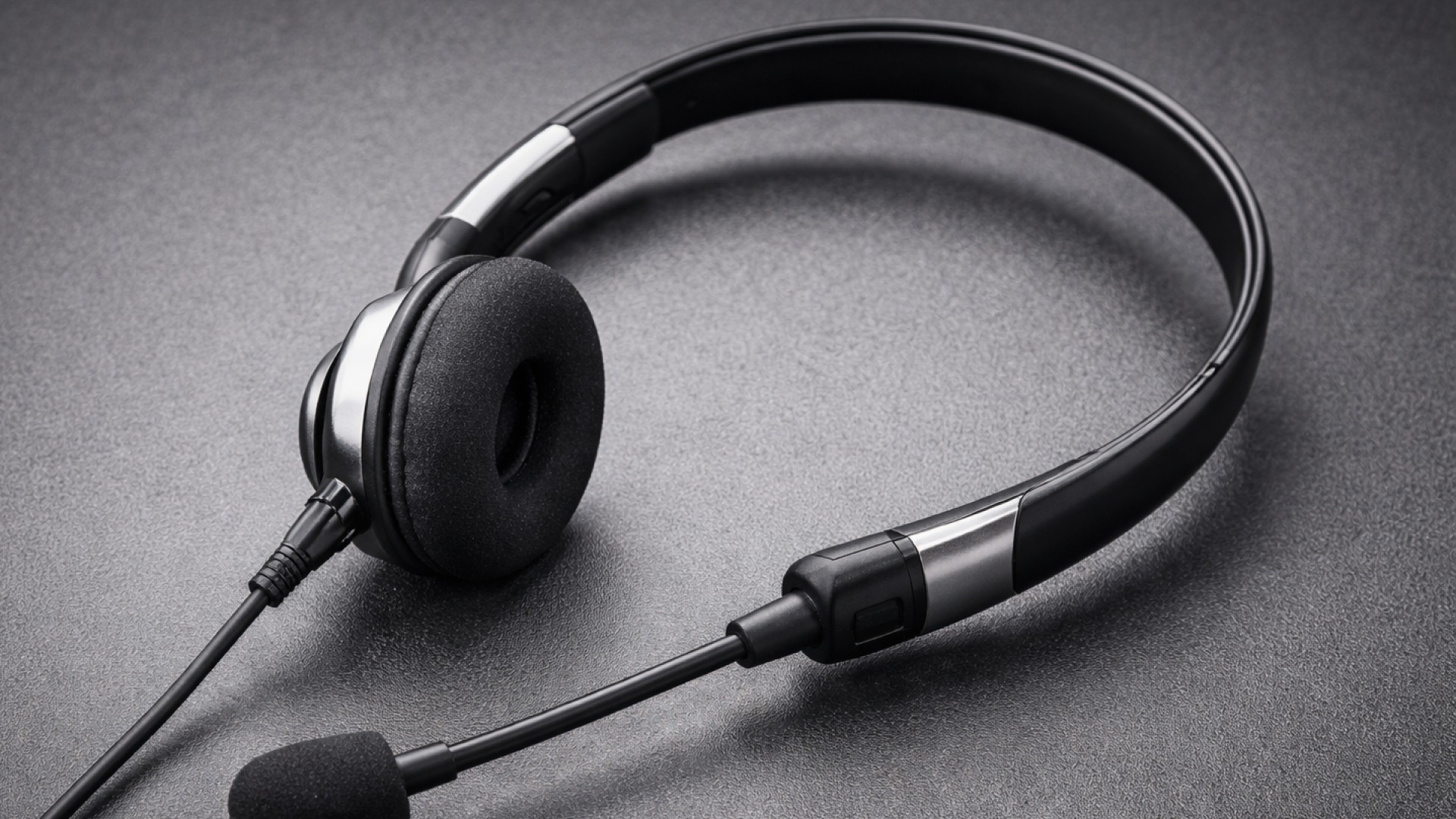
Mono sound uses a single audio channel where all sound signals are mixed together into one unified track. This means that whether you're using one speaker or two, the sound will always come from a single source, with no distinction in directionality.
Pros of Mono Sound
Simplicity and Consistency: Mono eliminates the risk of imbalance or phase issues between channels.
Smaller File Size: Mono files require less data, making them quicker to download and easier to store.
Cons of Mono Sound
Flat Sound: Mono lacks the depth and spatial separation of stereo, making audio feel less immersive.
Limited Immersion: For music and films, mono cannot convey the layered soundscape that stereo can, resulting in a less dynamic experience.
Now that we've defined mono sound, let's move on to understanding how stereo sound differs and why it's so widely used.
What Is Stereo Sound?
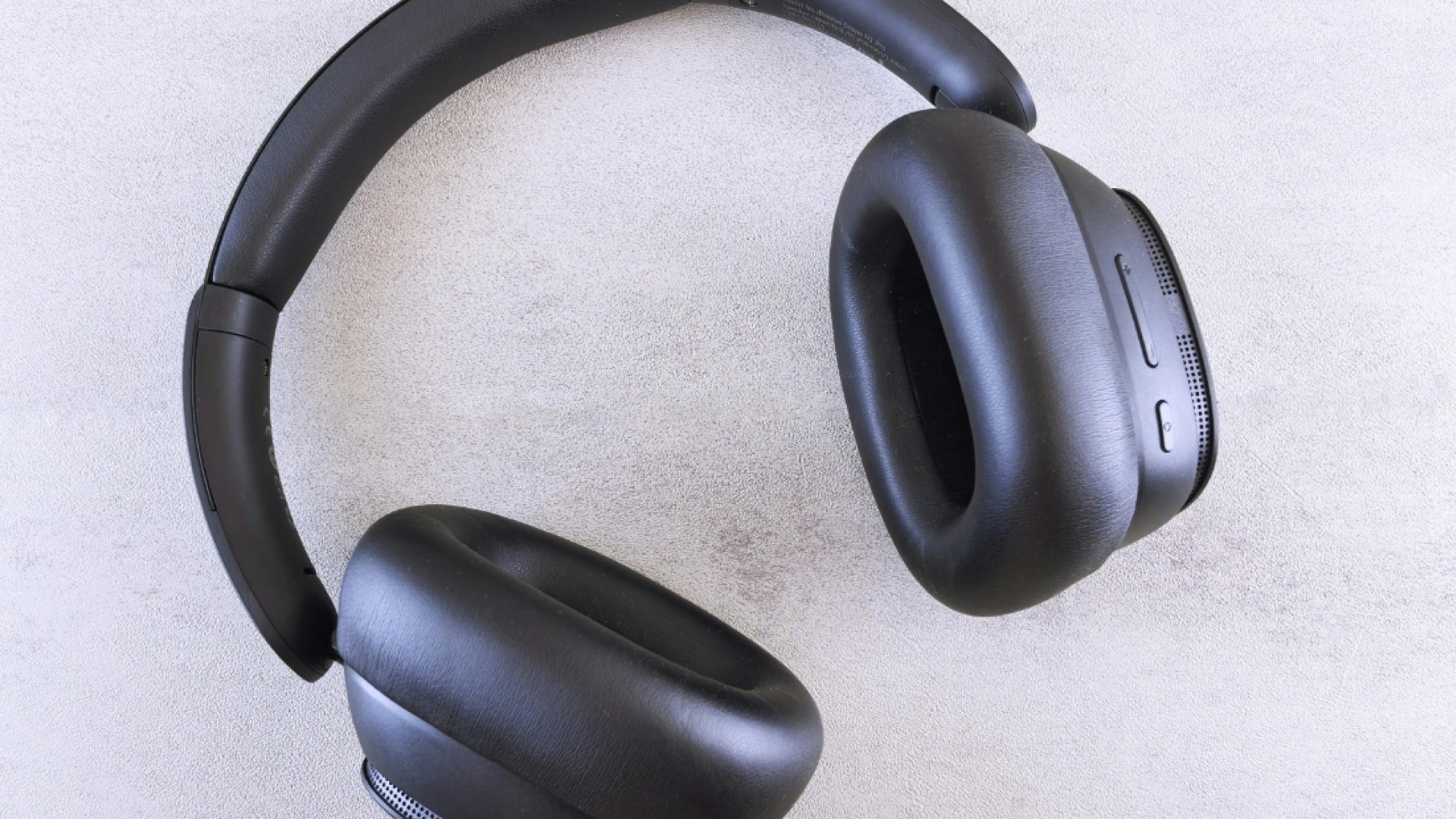
Stereo sound divides audio into two channels, left and right, allowing each ear to receive different information. This creates a sense of direction, space, and separation between sounds, making the audio more immersive. Stereo sound is the standard in modern music and movies, offering listeners a more dynamic audio experience.
Pros of Stereo Sound
Immersive Listening: Stereo creates depth, with sounds appearing to come from specific directions, adding richness to the audio experience.
Clearer Separation: Stereo provides better distinction between sounds, such as vocals, instruments, and effects.
Standard for Modern Media: Most music and films are designed for stereo, providing a more authentic listening experience.
Cons of Stereo Sound
Larger File Size: Two audio channels mean stereo files take up more storage and data.
Not Always Effective: In noisy environments or with poor-quality speakers, the stereo's benefits can be diminished or distracting.
Whether you prefer the simplicity of mono or the immersive experience of stereo, understanding the differences will help you choose the best audio setup for your needs.
Also Read: Which Earpads or Cushions Will Fit on Headsets
With stereo sound explained, it’s important to highlight the key differences between mono and stereo, so let’s break them down.
Common Differences: Mono vs Stereo Sound
Below is a comparison between mono and stereo sound based on their key characteristics:
Feature | Mono Sound | Stereo Sound |
Sound Reproduction and Depth | Uniform, “flat” sound with no depth. | Layered, directional, three-dimensional sound. |
Sound Clarity and Separation | Less separation, instruments/voices blend. | Better separation, easier to pick out individual elements. |
File Size and Data Usage | Smaller file size, lower bandwidth/storage needed. | Larger file size, more storage/bandwidth required. |
Equipment Compatibility | Works on older/basic systems. | Requires two-channel support (headphones, speakers). |
Impact on Audio Systems | Minimal demands on the system; works on basic setups. | Takes full advantage of higher-quality systems. |
Ideal Usage and Application | Voice recordings, podcasts, radio broadcasts, and simple audio systems. | Music, movies, TV, and immersive sound experiences. |
Acoustic Space and Environment | Best for small rooms or noisy environments. | Shines in controlled spaces with good equipment. |
Mono sound typically offers simplicity and consistency, making it great for voice recordings, public announcements, and broadcasts. It ensures that all listeners hear the same audio, regardless of their location in a room or venue.
Stereo sound, on the other hand, provides depth and directionality, creating a more immersive experience. The added spatial elements in stereo allow for a richer listening experience, where sound feels like it surrounds you, enhancing entertainment and engagement.
At Scan Sound, we provide the right audio solutions for both mono and stereo needs. From our 1-BUD Single-Ear Stereo Earphones for those with hearing loss in one ear, to versatile stereo/mono headphones, we ensure high-quality, clear sound tailored for professional environments.
Now that you know the main differences, let's explore when you should choose mono or stereo for your specific audio needs.
Also Read: MRI Headphones: Your Guide to a Quieter Scan
Mono vs Stereo: Which Should I Choose?
Choosing between mono and stereo comes down to understanding your project’s needs and the listening environment. Here are some key factors to consider:
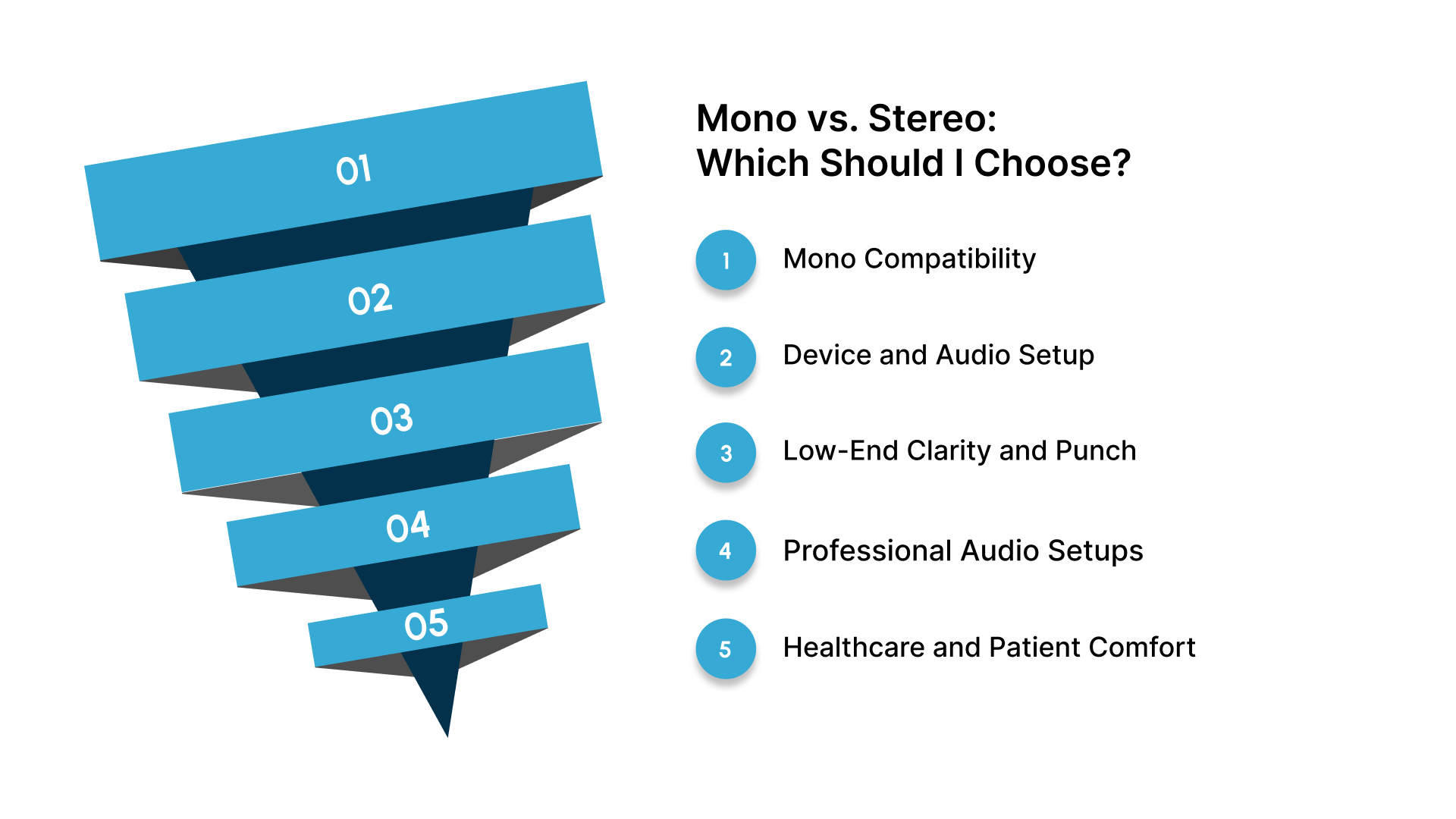
Mono Compatibility: For systems like landline telephones in call centers or public address systems in healthcare facilities, mono sound ensures your message is heard clearly across all devices.
Device and Audio Setup: Stereo offers a fuller, more immersive sound on systems that support it, like headphones, stereo speakers, and home audio setups. For devices with mono speakers, mono sound can be more reliable.
Low-End Clarity and Punch: For medical feedback systems or control rooms, where consistent low-frequency response is necessary, mono sound ensures that the low-end frequencies are focused and powerful, without spreading them across multiple channels.
Professional Audio Setups: For audio production, training simulators, or broadcast setups, stereo sound is often preferred for its ability to provide directional audio and immersive depth, which is crucial in environments that rely on detailed sound separation.
Healthcare and Patient Comfort: In MRI suites or medical waiting areas, clear and consistent audio is key. Mono sound is often used for spoken word content, like announcements or calming audio, to avoid distractions. However, for patient entertainment, stereo sound can provide an immersive experience.
For environments where clarity, compatibility, and consistency are key, mono sound often prevails. For immersive or detailed listening, stereo sound is the preferred choice.
Recommended Read: Benefits of Disposable Headphone & Headset Covers
Whether you need mono or stereo, Scan Sound offers the perfect solutions for your professional or personal audio needs.
Find Your Perfect Audio Solution with Scan Sound
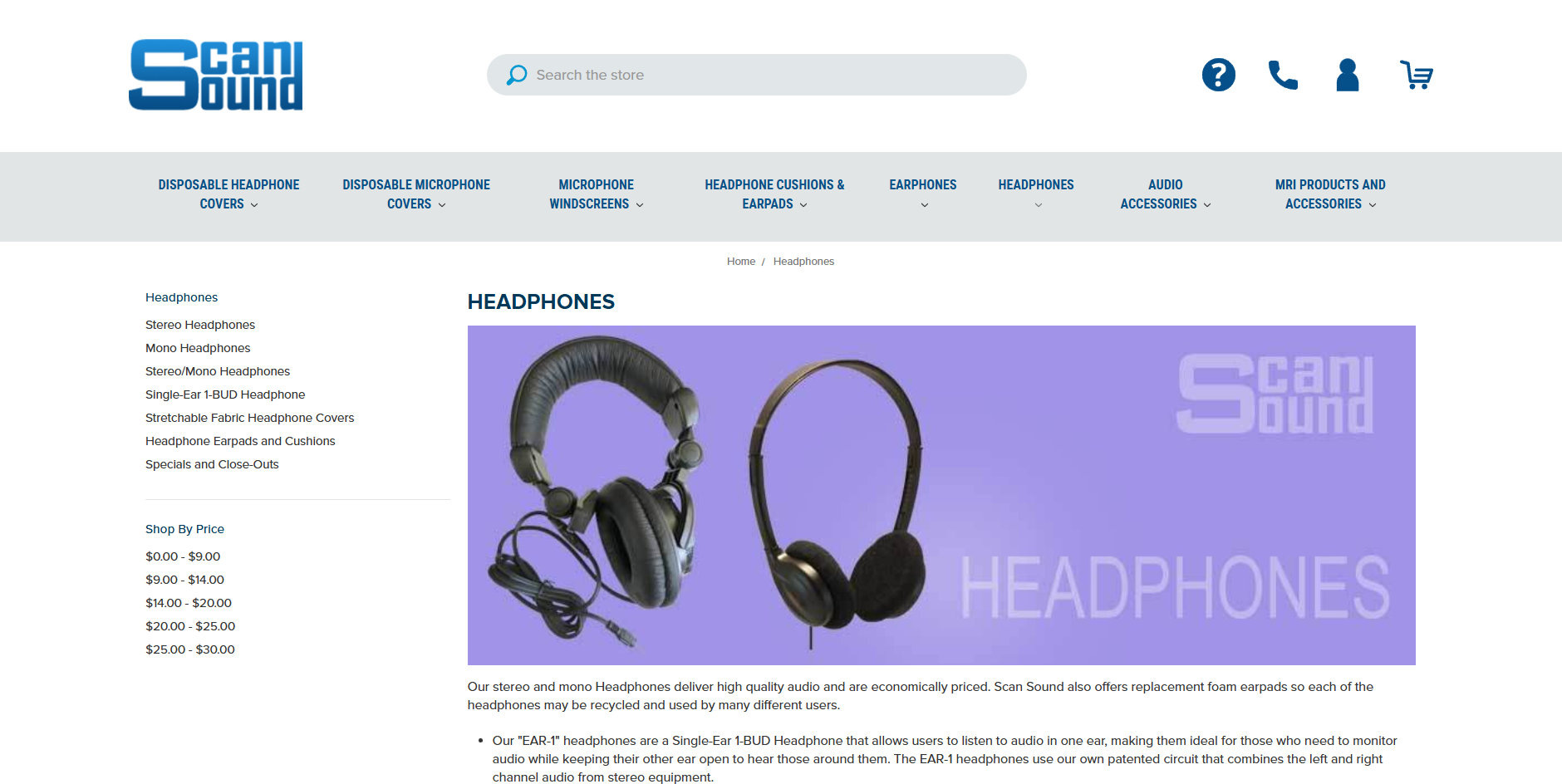
At Scan Sound, we provide the ideal audio solutions, whether you need mono or stereo setups for professional environments or personal use. Here’s a look at some of our key offerings that can enhance your audio experience:
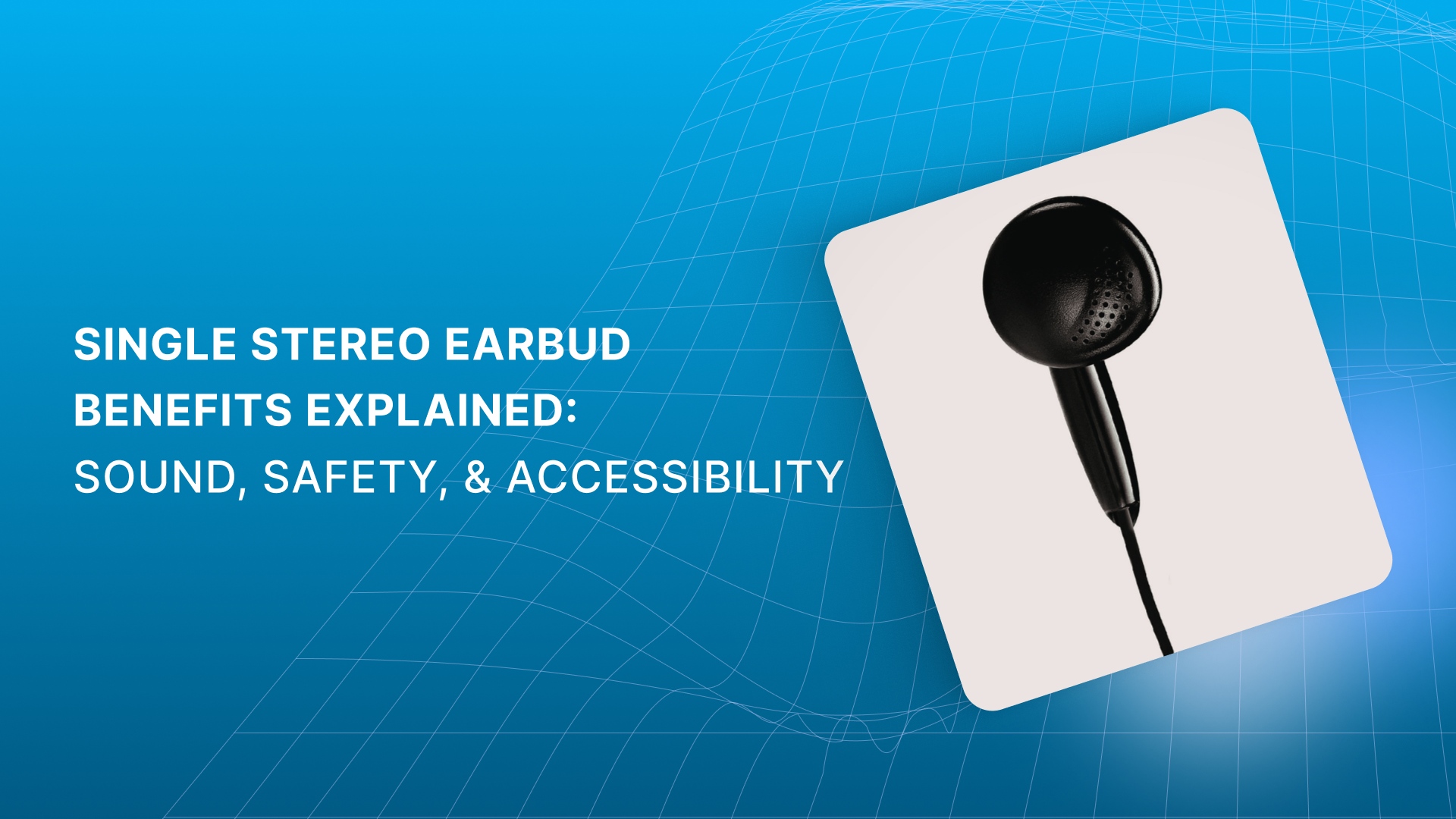
1-BUD Single-Ear Stereo Earphones: Perfect for users with single-sided hearing loss, these earphones mix stereo audio into a single earpiece, providing a seamless listening experience across both channels.
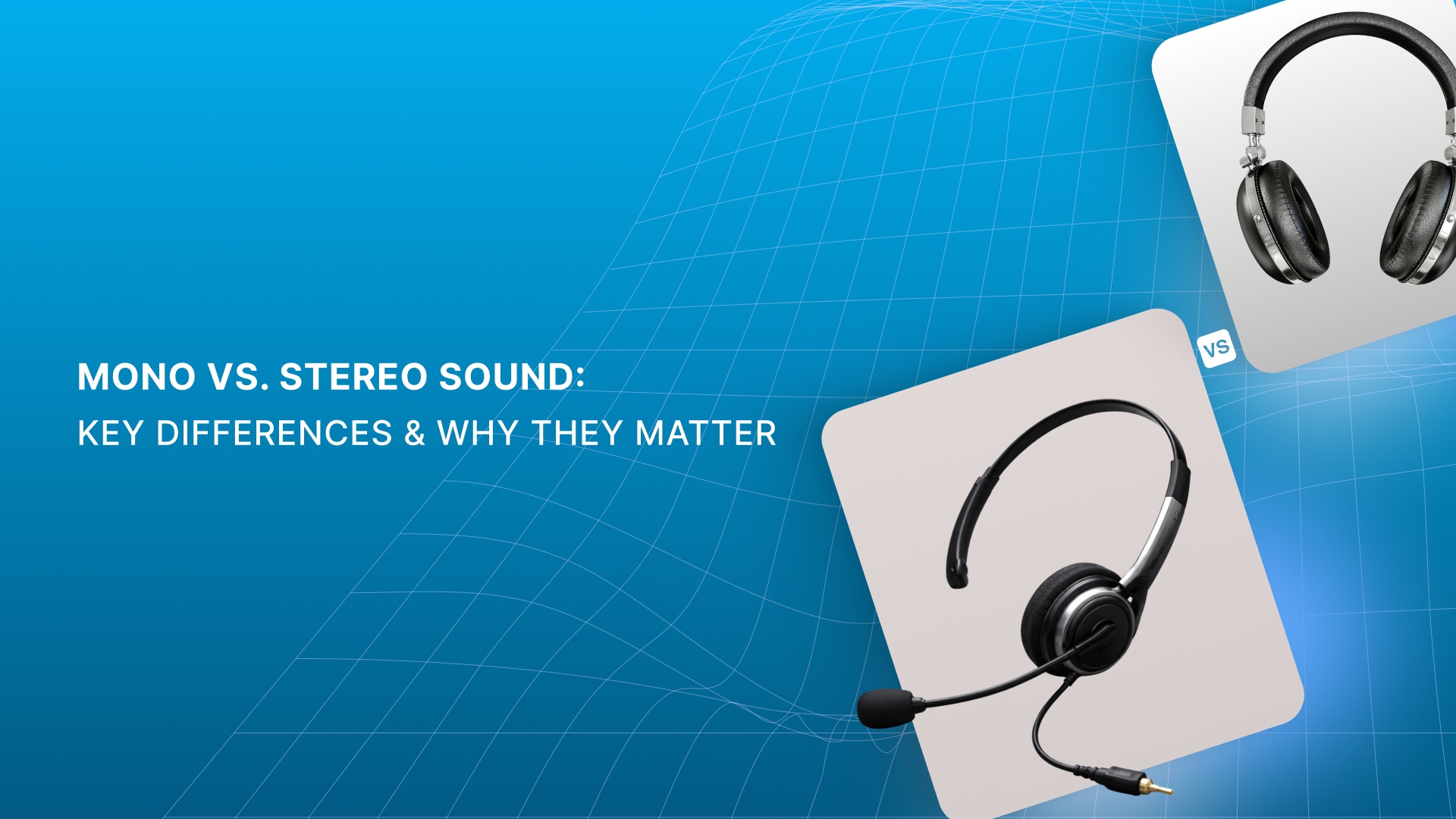
Stereo/Mono Headphones: Easily switch between stereo and mono for versatile listening. Ideal for both communication systems and general audio setups, these headphones give you control over your sound.
Mono Headphones: Cost-effective, mono headphones are perfect for schools, hospitals, and call centers where clear, consistent audio is crucial for multiple users.
1-BUD Headset for Cellphones: Whether you’re on video calls on Zoom or Skype, listening to music, or commuting, the 1-BUD delivers clear mono audio in one ear, keeping you connected to both your surroundings and your audio.
Audio Adapters: 2.5mm Male Plug, 3.5mm Male Plug, and Mono/Stereo Adapters for quick mono-to-stereo conversions.
From medical-grade audio systems to everyday professional needs, Scan Sound offers durable, versatile, and high-quality audio solutions tailored to your needs.
Conclusion
In this blog, we’ve covered the key differences between mono and stereo sound, helping you understand when to use each format based on your specific audio needs. While stereo offers a more immersive, dynamic experience, mono sound shines in environments where clarity, consistency, and simplicity are essential.
At Scan Sound, we specialize in providing high-quality audio solutions that meet the diverse needs of professionals. Our 1-BUD Single-Ear Stereo Earphones offer clarity for those with single-sided hearing loss, while our versatile stereo/mono headphones and audio adapters provide flexibility for any audio setup.
Talk to us about outfitting your professional setup with the perfect audio solution today.
FAQs
Does stereo sound better than mono?
Stereo sound generally offers a richer, more immersive listening experience, with distinct left and right channels. However, mono can be better for clarity in certain environments.
Should my audio be mono or stereo?
The choice depends on the application. Use mono for simple, consistent audio (like voice), and stereo for music or situations requiring depth and spatial separation.
Is mono ever better than stereo?
Yes, in environments where clarity and consistency are key, like in headsets for calls or public address systems, mono can ensure better sound quality and focus.
What are the drawbacks of mono audio?
Mono lacks the spatial depth and directionality of stereo, making it less ideal for music or immersive experiences where separating sound across two channels enhances the effect.
Can I convert stereo to mono?
Yes, it’s possible to convert stereo to mono using adapters or audio software. However, you’ll lose the separation and depth that stereo provides.