Choosing between single ear and dual ear headsets directly impacts comfort, performance, and the user experience. Whether you’re managing an MRI center, overseeing patient comfort, or working in a high-stakes audio environment, the right headset can make all the difference.
Yet, many struggle with this choice. For example, in the medical field, the loud, confining nature of an MRI scan can leave patients anxious and uncomfortable. On the other hand, audio professionals need to stay alert to their surroundings while still delivering optimal sound.
In this blog, we will learn the core differences between single ear vs dual ear headsets and how each option serves the diverse needs of healthcare professionals, audio technicians, and consumers. Let’s get started.
Quick Recap
Stay Aware with Single Ear Headsets: Single ear headsets offer situational awareness, making them ideal for professionals needing to stay alert while communicating.
Immersive Audio with Dual Ear Headsets: Dual ear headsets provide an immersive audio experience, making them perfect for environments requiring high-quality sound and noise isolation.
Make the Right Choice: The choice between single and dual ear headsets depends on the environment, task complexity, and comfort needs of the user.
Functionality: Single ear headsets are great for multitasking and environments where background noise must be heard, while dual ear headsets are best for focused, distraction-free work.
Scan Sound Solutions: At Scan Sound, we offer both single ear and dual ear headsets tailored to meet the unique needs of healthcare, professional audio, and shared-use environments.
What Are Single Ear Headsets?
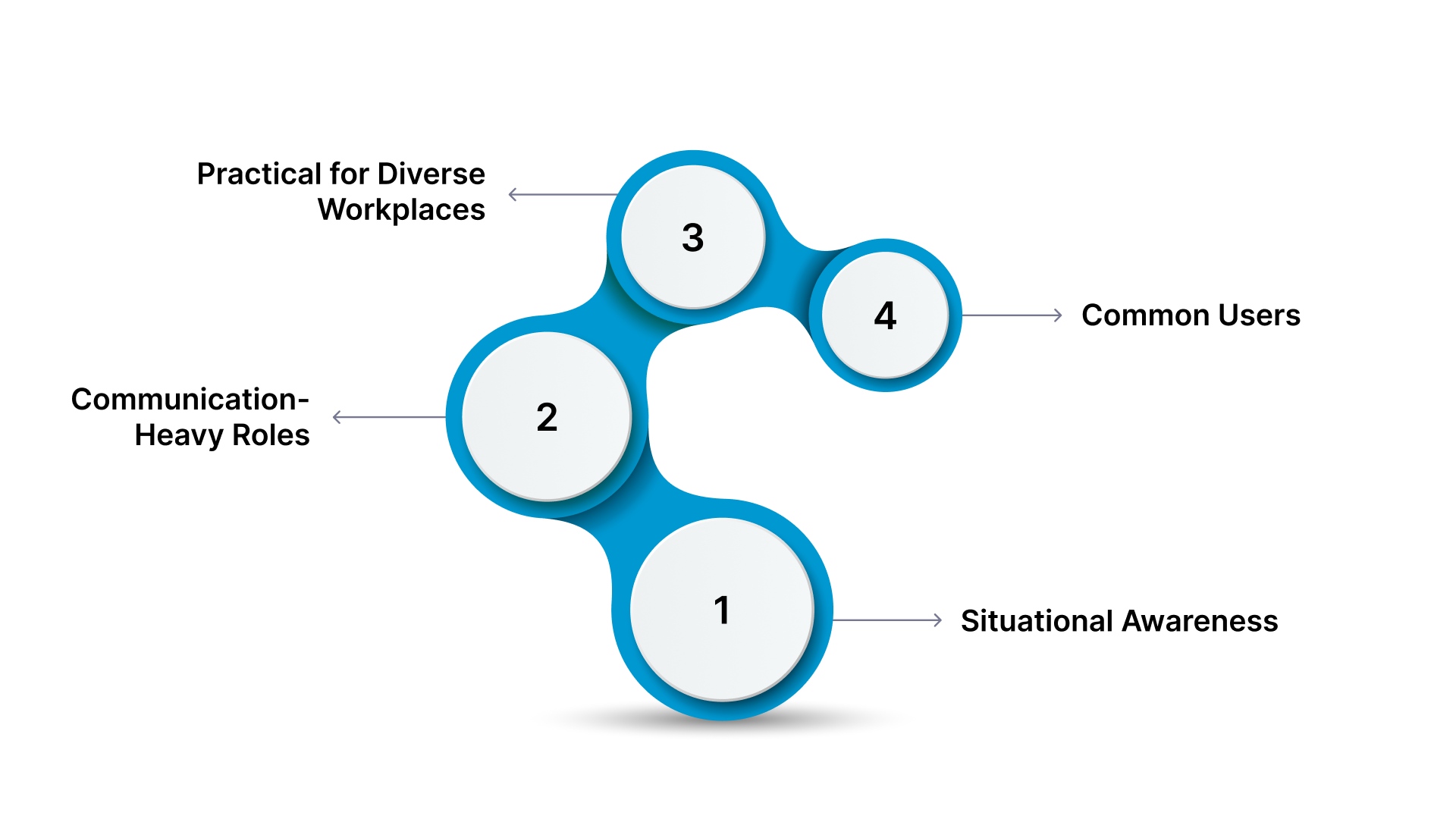
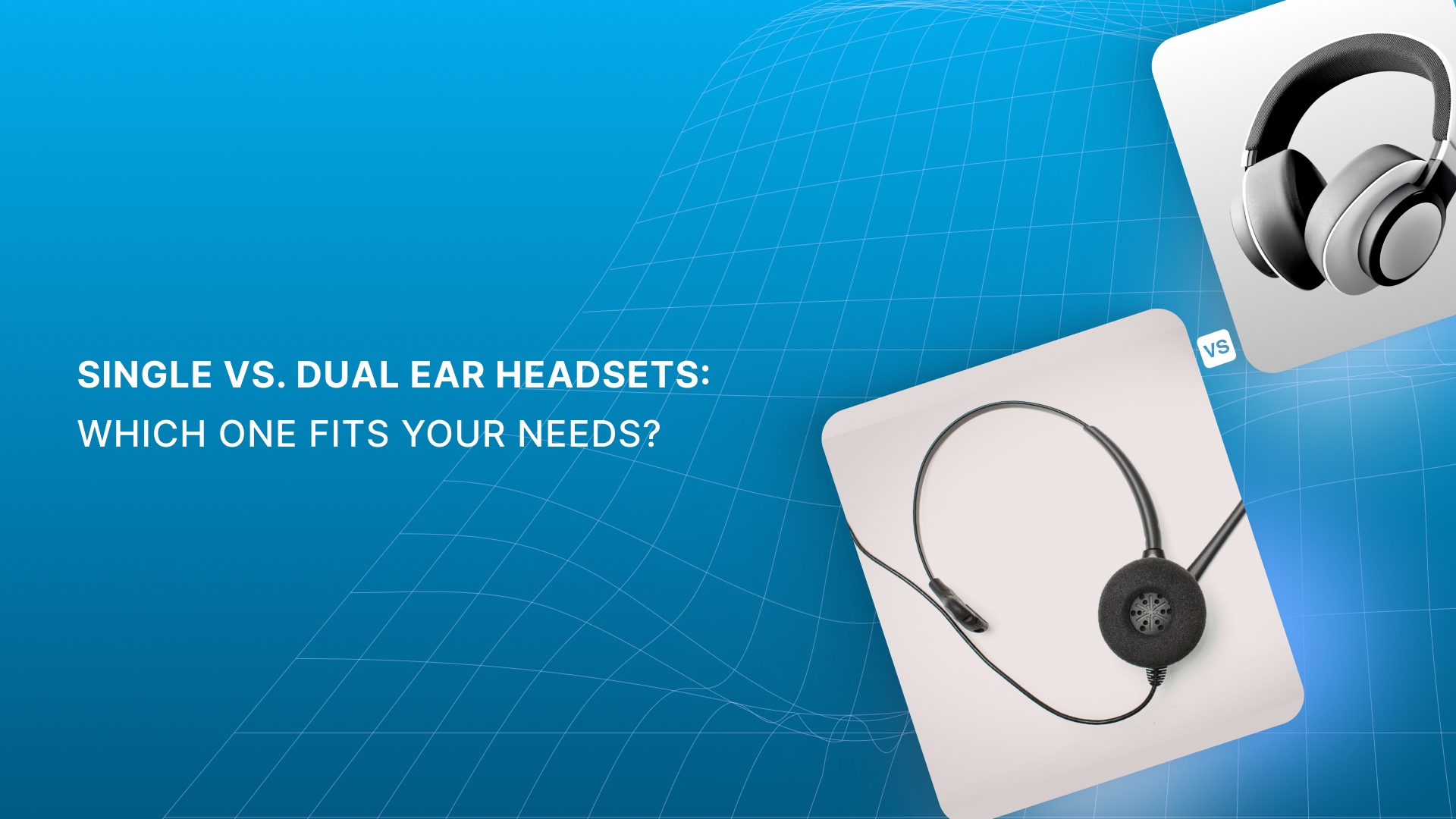
Single ear headsets are designed with a single earpiece and a built-in microphone. These headsets are perfect for users who need to stay connected to their environment while communicating. Here’s how they’re ideal for certain jobs:
Situational Awareness: Single ear headsets let users hear both the audio from the headset and their surroundings.
Communication-Heavy Roles: Ideal for call center agents who need to engage with customers and colleagues simultaneously.
Practical for Diverse Workplaces: Ideal for environments such as call centers and customer service, where background noise must be heard while maintaining communication.
Common Users: In healthcare, diagnostic, and training environments, single ear headsets are often preferred by staff who must remain aware of their surroundings while maintaining clear communication.
Now that we’ve covered single ear headsets, let’s take a look at their counterpart, dual ear headsets, and see how they stack up.
What Are Dual Ear Headsets?
Dual ear headsets, also called binaural headsets, have two earpieces and a microphone, providing immersive audio. These headsets are great for blocking out external noise and focusing solely on the task at hand. Here’s why dual ear headsets are ideal for specific applications:
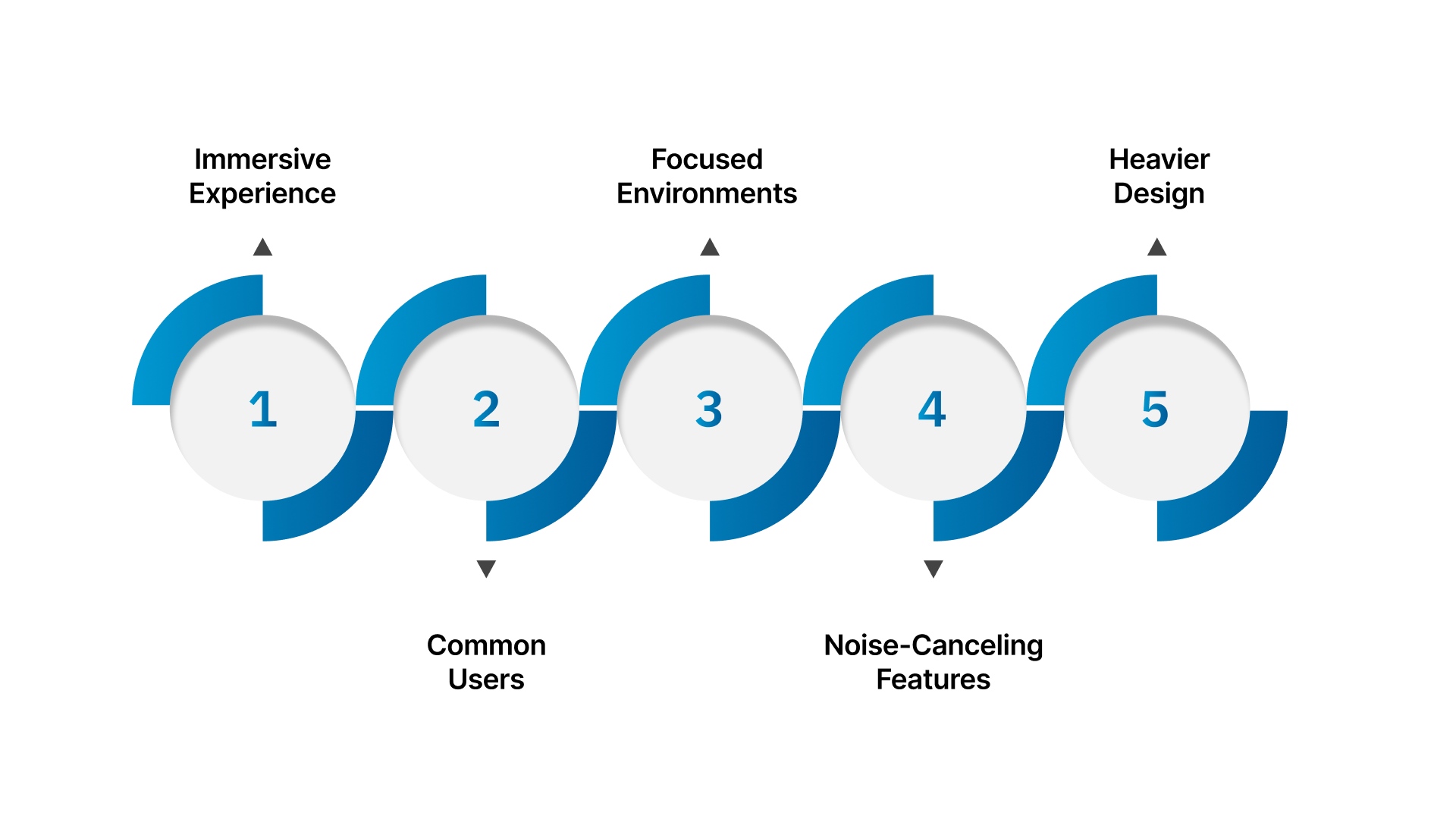
Immersive Experience: Dual ear headsets provide total sound isolation, which is especially helpful in MRI environments, where blocking out machine noise improves patient comfort.
Common Users: Dual ear headsets are commonly adopted across hospitals and imaging centers, educational labs, professional audio environments, and corporate offices that require clear, immersive audio and reduced external noise.
Focused Environments: Music producers and audio professionals need high-quality sound without distractions.
Noise-Canceling Features: Many dual ear headsets come with noise-canceling technology, ensuring clear, high-fidelity sound and complete immersion in the audio.
Heavier Design: While more comfortable for immersive listening, dual ear headsets tend to be bulkier, making them better suited for stationary activities than on-the-go use.
Also Read: MRI Headphones: Your Guide to a Quieter Scan
Quick Comparison: Single ear vs dual ear headset
Feature | Single Ear Headset | Dual Ear Headset |
Number of Earpieces | 1 | 2 |
Immersion | Partial | Total |
Awareness | High | Low |
Sound Quality | Clear but less immersive | Rich and detailed |
Each type serves distinct use cases and provides unique benefits depending on your work environment and goals.
At Scan Sound, we offer a wide range of single-ear and dual-ear headphones designed for various environments and purposes. Whether you're looking for the ergonomic comfort of a single-ear 1-BUD headphone or the immersive audio experience of our stereo and mono headphones, we have the right solution for you.
Suggested Read: Why are Disposable Covers Used on Headphones and Headsets?
With an understanding of single ear and dual ear headsets, it's time to consider the key factors that will guide your headset decision.
Top 10 Factors to Consider Before Choosing Your Headset
When choosing between single ear vs dual ear headsets, it's important to weigh various factors that can influence comfort and performance. Consider these top 10 factors before making your decision.
Factor | Single Ear Headset | Dual Ear Headset |
Task Complexity | Ideal for routine communication and tasks without deep audio detail. | Better for tasks needing detailed audio, such as focused work or immersive listening. |
Duration of Use | More comfortable for all-day wear when no constant immersion is needed. | Best for focused, short sessions, but may not be as comfortable for prolonged wear. |
Passive vs Active Noise Environment | Allows awareness of environmental sounds, crucial in shared spaces. | Provides better noise isolation, useful in loud environments. |
Communication Clarity | Helps maintain awareness of external sounds, ideal for multitasking. | Improves speech clarity, enhancing comprehension in noisy situations. |
Frequency of Interruptions | Ideal when interruptions are frequent, and you need to stay alert. | Works best when interruptions are rare, providing undisturbed listening. |
Professional Etiquette | Preferred for customer-facing roles where environmental awareness is key. | Best suited for focused workstations where full immersion is needed. |
Safety Considerations | Allows users to hear alarms and environmental cues, ideal for safety. | Reduces external awareness but works well in controlled, low-risk settings. |
Device Compatibility | Compatible with mono devices or combined audio signals. | Best for stereo audio devices, providing high-quality audio output. |
Hygiene & Shared Use | Fewer parts are required, making it more cost-effective in shared environments. | Requires more sanitary covers for shared use but provides a better experience. |
Carefully evaluating these factors equips you to choose the headset that best suits your unique needs, ensuring both comfort and functionality for optimal use.
Ready to experience immersive audio or crystal-clear communication? Explore Scan Sound’s Stereo Headphones and Stereo/Mono Headsets, designed for both immersion and comfort in professional or clinical settings. Find the right audio solution for your needs today!
Also Read: Sharing of Headphones and Headsets Created a Need for Disposable Covers
Now that we’ve explored the factors to keep in mind, let’s see how Scan Sound fits into the picture with solutions tailored to your needs.
Scan Sound's Solution for Single Ear vs Dual Ear Headsets
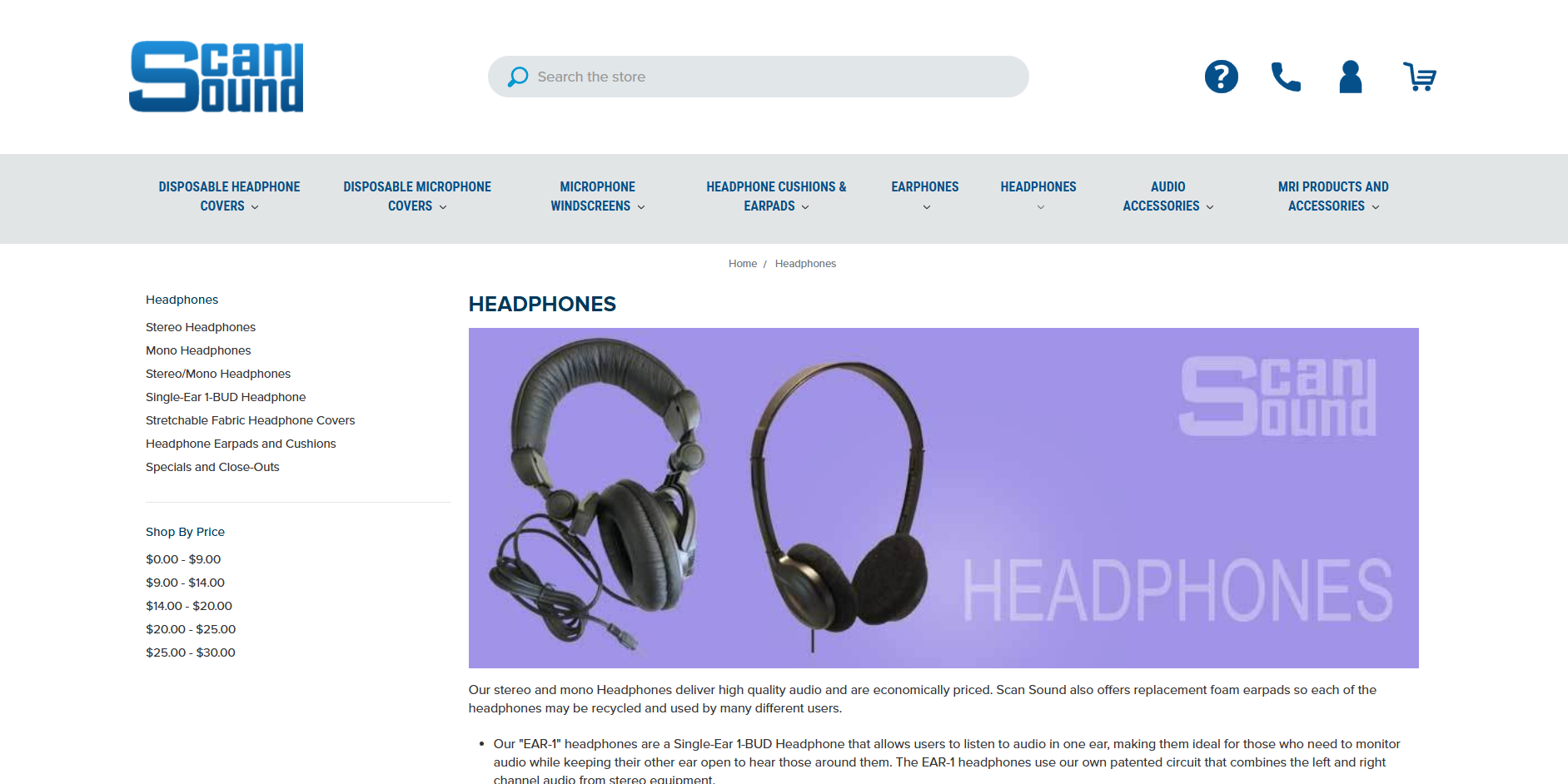
At Scan Sound, we offer custom audio solutions designed for a variety of environments. Here’s how our headsets fit into the single vs. dual ear decision:
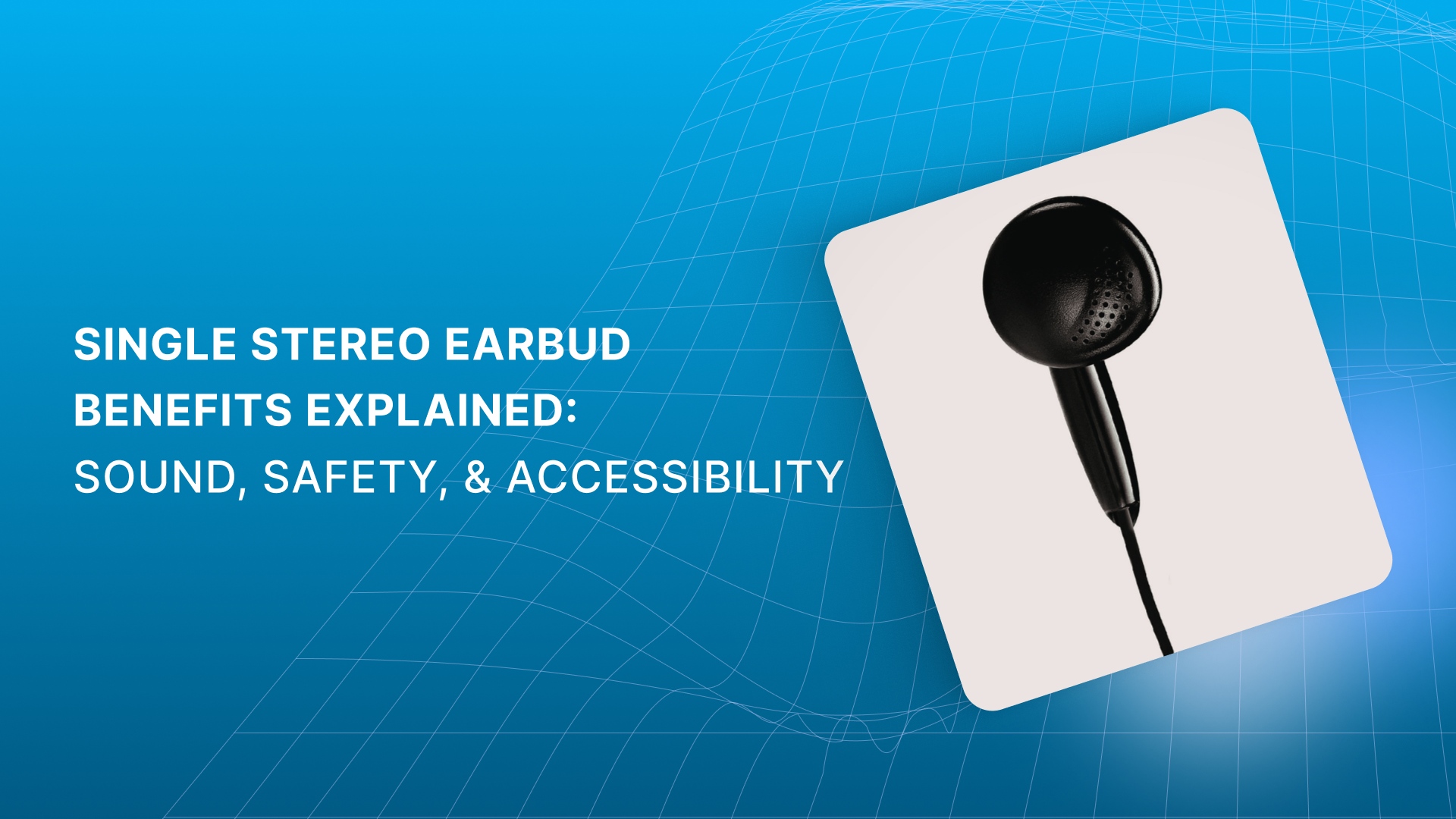
Single Ear Headsets: Products like the 1-BUD Single-Ear Stereo Earphones are ideal for situational awareness. These are perfect for healthcare professionals or audio technicians who need to hear both their surroundings and the audio clearly while maintaining comfort for long periods.
Dual Ear Headsets: Our Stereo Headphones deliver immersion and noise isolation. These headsets are great for environments that require focus, such as MRI procedures or audio mixing, providing high-quality sound while blocking external distractions.
Comfort and Hygiene: For shared-use environments, our disposable headphone covers ensure both comfort and easy sanitation, which is essential for spaces like dental offices, labs, and training rooms.
Customizable Sound Options: For users with specific hearing needs, our Stereo/Mono Headphones feature independent volume control for each ear, allowing adjustable sound levels.
Scan Sound provides headsets that combine comfort, reliability, and hygiene, ensuring they meet the specific needs of both professionals and consumers.
Conclusion
When it comes to selecting between single ear and dual ear headsets, the right choice can drastically improve comfort, functionality, and overall performance. Whether you’re in a healthcare environment, a professional audio setting, or simply looking for the best option for personal use, understanding the practical benefits of each headset type is crucial.
Single ear headsets provide situational awareness, while dual ear headsets deliver immersive sound quality; both have their place depending on the task at hand. The choice involves meeting the unique needs of your environment.
At Scan Sound, we’ve spent decades developing specialized audio solutions designed to fit specific environments where these decisions matter most. Whether you need headsets that enhance patient comfort or ensure hygienic, reliable usage in shared spaces, our products are crafted for performance. Contact Scan Sound today and let our team guide you to the ideal audio solution for your unique needs.
FAQs
1. Why use a single ear headset?
Single ear headsets are ideal for situations where situational awareness is crucial. They allow users to hear both the audio and their surroundings, making them perfect for professionals who need to stay alert or patients who need to communicate during procedures.
2. What is a dual ear headset?
A dual ear headset features two earpieces, providing immersive sound and excellent noise isolation. These are commonly used when a high-quality audio experience is needed, such as during music production, broadcasting, or medical procedures where focus is required.
3. Why do professionals use two headsets?
Professionals, such as audio engineers and broadcast technicians, use dual ear headsets to ensure superior sound quality and full audio immersion. It allows them to accurately monitor sound without distractions, which is essential for high-fidelity audio work.
4. What is the difference between mono and duo headsets?
Mono headsets have one earpiece and deliver a single audio channel, making them ideal for those who need to stay aware of their surroundings. Dual headsets, on the other hand, provide stereo sound with two earpieces for a more immersive and balanced listening experience.
5. When should I choose a single ear headset over a dual ear headset?
Choose a single ear headset when you need situational awareness, such as in healthcare environments, transportation, or working in noisy areas, where listening to surroundings is just as important as the audio. It’s also great for people with unilateral hearing loss.