If you’ve ever finished a recording and noticed harsh “p” and “b” sounds, uneven volume, or a muffled voice you did not expect, you already know the frustration. The mic was good. The room was quiet. Yet the audio still needs fixing.
In many cases, that pain point usually comes down to one overlooked choice: how you protect the microphone from bursts of air. For many creators, educators, and shared-mic environments, the decision between a foam mic cover and a pop filter feels minor. In practice, it directly affects clarity, hygiene, and how much cleanup is needed later.
A 2024 survey of over 500 podcasters found that 31.2% rely on pop filters for plosive control, while 20.4% use foam windscreens. While pop filters are often the go-to for plosive control, foam windscreens still provide a reliable solution for reducing wind noise, breath sounds, and general handling noise.
This blog will compare foam mic cover vs pop filters, explain where each performs best, and help you choose the right option for your recording setup and use case. Let’s jump in.
Quick Recap
Plosive Control: Pop filters are better at reducing pops from "p" and "b" sounds, while foam covers handle light wind and environmental noise.
Wind & Noise Reduction: Foam covers excel in outdoor and live settings, blocking wind and breath noise, while pop filters don’t protect against these.
Sound Clarity: Pop filters preserve clearer vocals, while foam covers slightly soften highs but reduce background noise for cleaner recordings.
Use Case: Pop filters are ideal for studio vocals and voiceovers, while foam covers work best for field recordings and shared microphones.
Ease of Use: Foam covers are easy to install and portable; pop filters require careful placement but offer precise plosive control.
What This Debate Is Really About
At its core, this debate is not about accessories. It’s about air control. Most recording problems blamed on microphones actually start with uncontrolled air hitting the mic capsule.
Plosives, breath noise, and light wind create sudden pressure changes that microphones are extremely sensitive to. If that air isn’t managed, clarity drops fast.
Here’s why mic protection matters:
Plosives from “p” and “b” sounds send sharp air bursts straight into the microphone’s diaphragm.
Breath noise adds low-frequency rumble and inconsistent levels.
Light airflow from movement or room currents can still disrupt clean recordings.
The debate usually comes down to two common tools designed to handle these problems differently:
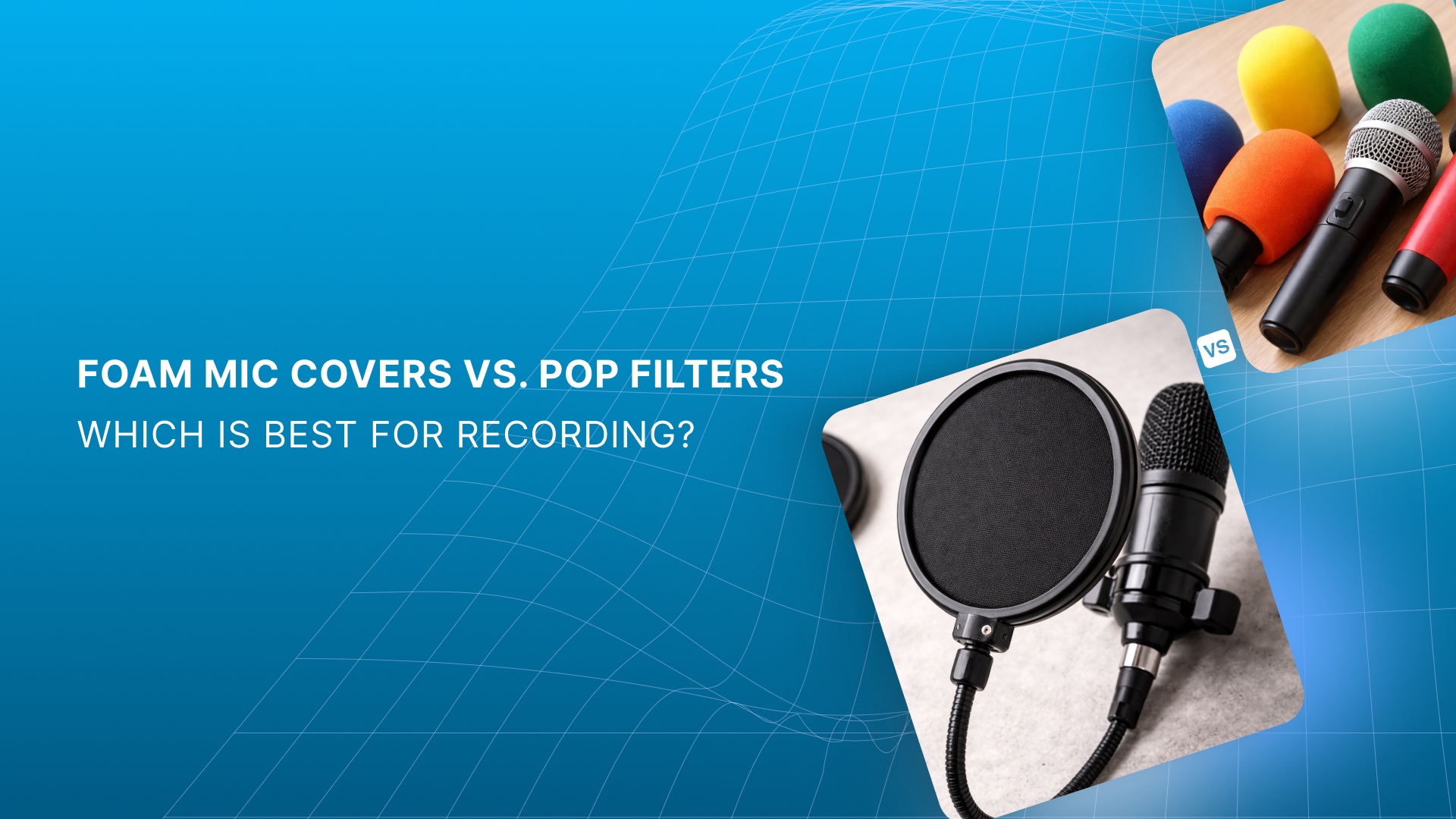
Foam mic covers (windscreens) sit directly on the microphone.
Pop filters sit between the speaker and the mic.
They solve related problems, but they are not interchangeable. The next sections break down how each one actually works and when it makes sense to use them.
What Is a Pop Filter and What Does It Do?

A pop filter is a microphone accessory designed to reduce plosive sounds during vocal recording. These are short bursts of air created when pronouncing letters like p, b, t, d, g, and k.
When you speak close to a microphone, those air bursts can strike the mic capsule with enough force to cause popping, distortion, or sudden low-frequency spikes. Even in a quiet room with a quality mic, this can ruin an otherwise clean take.
What Does A Pop Filter Do?
A pop filter’s job is simple. It manages fast bursts of air before they hit the mic diaphragm. A pop filter sits between the speaker and the microphone and breaks up that airflow. Your voice passes through the mesh with very little resistance, while the air loses force and spreads out.
The result is smoother audio, fewer plosives, and more consistent vocal levels, especially during close-mic recording.
Placement of the pop filter matters more than people realize. Plosive air is strongest closest to the mouth, not the mic. When the filter is positioned a few inches in front of the microphone, it gives the air room to disperse before reaching the capsule.
On the other hand, foam mic covers serve a different purpose. Here’s how they work.
What Is a Foam Mic Cover and What Does it Do?
A foam mic cover, often called a windscreen, is a foam sleeve designed to fit directly over a microphone’s grille. Its purpose is to control unwanted air movement before it reaches the microphone capsule.
Foam mic covers are most commonly used in outdoor and live recording environments. Wind, breath, and sudden air pressure changes can overload the mic diaphragm and create low-frequency noise. A foam cover reduces that risk by slowing airflow at the source.
What Does A Foam Mic Cover Do?
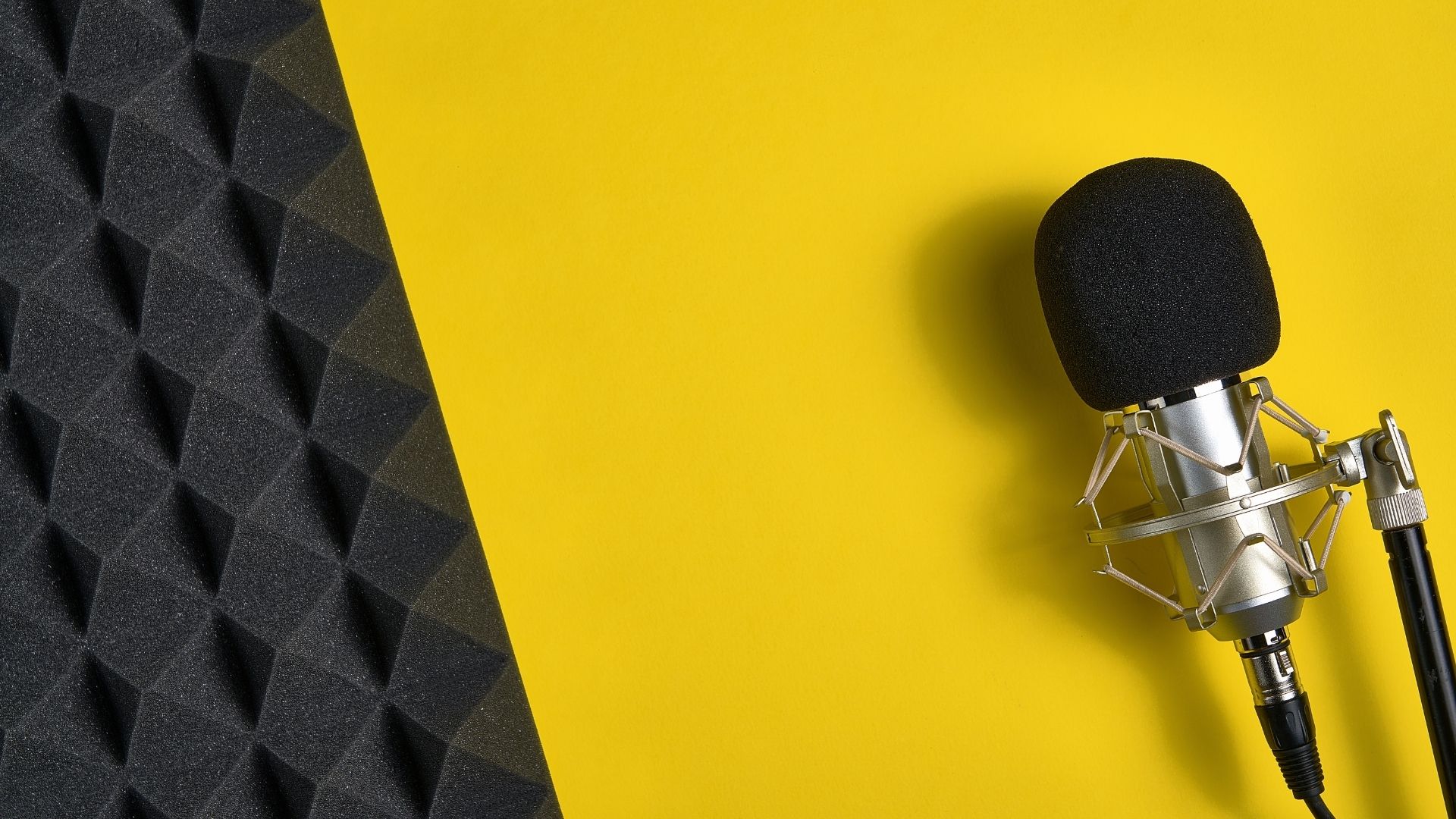
Foam mic covers work by controlling airflow before it reaches the microphone diaphragm. When air moves too quickly, such as during plosives, breath noise, or wind, it can overload the capsule and create low-frequency distortion. The foam slows and disperses that air, reducing its impact without stopping the sound itself.
The foam sits directly over the grille, acting as a physical barrier. By surrounding the microphone, they absorb early reflections from nearby surfaces and limit ambient room noise. This makes them useful in untreated spaces where reflections cause vocals to sound boxy or hollow.
Looking for a mic windscreen that fits your needs?
Scan Sound’s range of foam microphone windscreens, from headset to shotgun mics, provides superior noise reduction and durability. Whether you need a custom fit for your headset, moisture protection for pilot headsets, or a windscreen for your podium mic, we’ve got the right solution for you.
Also Read: Which Earpads or Cushions Will Fit on Headsets
Next, let’s weigh the advantages and disadvantages of each to see which one suits your recording needs better.
Pros and Cons of Using a Foam Mic Cover vs Pop Filters
When deciding between a pop filter and a foam windscreen, the real question is not preference. It is how each tool handles airflow and protects your recording in different conditions.
Advantages of Using a Pop Filter
Reduces plosive sounds like “p” and “b” during close vocal work
Preserves vocal clarity by dispersing air without blocking sound
Cuts down time spent fixing pops during editing
Works with most studio microphones and recording setups
Helps speakers maintain a consistent distance from the mic
Limitations of Using a Pop Filter
Offers little protection against wind or room air movement
Does not reduce background or environmental noise
Can obstruct the face during on-camera recording
Metal filters may whistle if poorly designed or positioned
May make reading scripts harder in voiceover sessions
Pop filters are a strong choice for clean, controlled vocal recording, but they work best when wind, movement, and environmental noise are not part of the setup.
Advantages of Using a Foam Windscreen
Shields microphones from wind, breath bursts, and moisture
Performs well in outdoor, live, or uncontrolled environments
Reduces handling noise and light ambient interference
Adds physical protection against accidental contact
Lightweight and easy to install or remove
Pairs well with omnidirectional microphones
Limitations of Using a Foam Windscreen
Can absorb high frequencies, slightly dulling vocal detail
Foam degrades over time and may shed particles
Not ideal for studio vocals where clarity is critical
Foam windscreens are best when reliability and protection matter more than precision, in environments where wind, movement, or one-time recordings leave little room for retakes.
When choosing between a foam mic cover and a pop filter, the real difference comes down to how each one manages air, sound clarity, and the recording environment you’re working in.
Recommended Read: Benefits of Disposable Headphone & Headset Covers
To make the comparison clearer, let’s explore how these two options stack up side by side.
Foam Mic Cover vs Pop Filters: How They Compare
When choosing between a foam mic cover and a pop filter, the real difference comes down to how each one manages air, sound clarity, and the recording environment you’re working in.
Comparison Factor | Pop Filters | Foam Mic Covers |
Plosive control | Designed specifically to disperse strong “p,” “b,” and “t” air bursts before they hit the mic diaphragm | Reduces plosives slightly, but is not intended as a primary plosive solution |
Wind and ambient noise | Offers little to no protection against wind or moving air | Effectively blocks wind, breath turbulence, and light environmental noise |
Frequency impact | Largely acoustically transparent when positioned correctly | Can slightly soften high frequencies due to the foam being in the signal path |
Use in controlled studios | Well-suited for indoor vocal recording and close mic work | Less precise for studio vocals, but still usable in some setups |
Use in shared or live environments | Limited protection against moisture or handling | Helps reduce moisture, saliva, and surface contact on shared microphones |
Portability and durability | Requires careful positioning and stand space | Compact, durable, and easy to transport or replace |
The right choice between foam mic covers vs. pop filters isn’t about which is better overall, but which tool fits your setup, recording conditions, and how the microphone is actually used.
Here’s how to decide between a pop filter or foam mic cover based on where and how you record.
How to Make the Right Choice for Your Recording Setup

Choosing between a pop filter and a foam windscreen depends less on preference and more on the conditions you record in. Each tool solves a different, very specific problem.
A pop filter is usually the better choice when clarity is the goal:
Studio vocal recordings where plosive sounds are the main issue.
Podcasts recorded in quiet, controlled indoor spaces.
Voiceover work that demands a consistent tone across takes.
Sessions where reducing post-production cleanup saves time.
A foam windscreen makes more sense when the environment adds variables:
Outdoor recordings that are affected by wind or air movement.
Field work where handling noise and moisture is hard to avoid.
Live broadcasts exposed to changing conditions.
Situations where protecting the microphone matters as much as sound quality.
In some setups, using both tools together is practical. One manages bursts of air. The other shields the microphone from its surroundings.
Want more details on choosing the right mic windscreen? Check out Scan Sound’s Microphone windscreen guide for all the info you need to make the perfect choice.
Before making a purchase, here are a few things to keep in mind to ensure you get the right fit for your setup.
What to Consider Before Picking the Perfect Mic Filter
Once you know which tool fits your setup, a few practical details determine how well it performs in daily use.
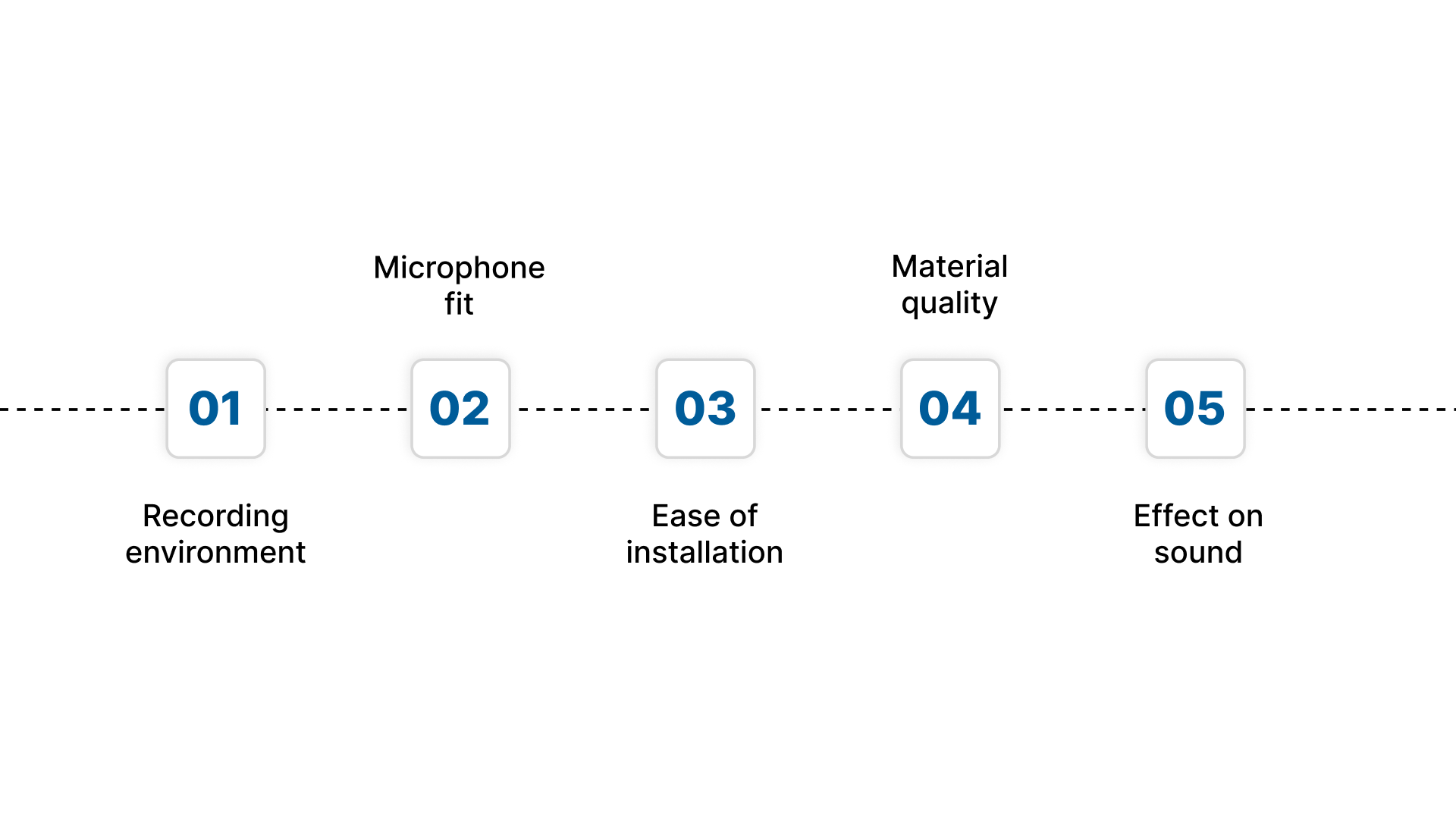
Recording environment: Match the filter to the space. Pop filters suit controlled rooms. Windscreens are better for unpredictable or shared environments.
Microphone fit: The accessory should fit securely without stressing the mic or mount. Poor fit reduces effectiveness and creates handling issues.
Ease of installation: Choose filters that install quickly and stay in place during long sessions.
Material quality: Nylon, mesh, and foam all behave differently. Material choice affects airflow control, durability, and tonal impact.
Effect on sound: A good filter reduces noise without dulling vocals or changing the natural character of the recording.
When a filter fits correctly and suits the environment, it protects the mic and preserves vocal detail at the same time.
Scan Sound offers precision-fit windscreens for headset, shotgun, and podium mics, designed to eliminate plosives, wind, and moisture. Get in touch to explore our options and ensure your recordings are crystal clear in any environment.
Find the Right Microphone Windscreen for Your Setup
If wind, breath noise, or worn-out foam keeps showing up in your recordings, replacing the windscreen is often the simplest fix. Scan Sound offers a wide range of microphone windscreens designed for real-world recording conditions, not just studio theory.
Instantly Hear the Difference: Old foam kills clarity. Scan Sound’s microphone windscreens restore clean sound by blocking wind, breath, pops, and handling noise before it hits the mic; no EQ, no post-fixes.
Multiple Options to Choose From: From headset microphone windscreens to podium and desktop windscreens, shotgun microphone windscreens, and pilot headset windscreens, Scan Sound covers every recording, live, and broadcast use case.
Cleaner Speech, Fewer Retakes: Our microphone windscreens reduce harsh plosives (P, B, S, T), suppress background noise, and improve vocal intelligibility, so your voice cuts through clearly in studios, meetings, events, and outdoor recordings.
Long-lasting: Our microphone windscreens shield capsules from moisture, dust, oils, saliva, and daily handling. Replacing worn foam isn’t cosmetic; it’s essential for consistent performance and mic longevity.
Find the Perfect Fit in Minutes: Measure, match, and install. Our foam stretches 2–3 mm for a snug fit, with size options across mic diameters and depths.
Add Branding with Custom Microphone Windscreens: Turn every mic into a brand asset with custom imprinted microphone windscreens. Ideal for conferences, broadcasts, podcasts, and live events, professional sound and visibility in one upgrade.
Explore Scan Sound microphone windscreens and upgrade your audio at the source before noise becomes a problem.
Conclusion
Choosing between a foam mic cover vs pop filters comes down to how air reaches your microphone. Pop filters work best in controlled indoor setups where plosives are the main issue. Foam windscreens are better suited for environments with wind, movement, or close-mic placement.
The key takeaway is simple. Both tools have a purpose, and neither is interchangeable. When matched correctly to your recording setup, they reduce unwanted noise at the source and save time in post-production.
For over three decades, Scan Sound has focused on practical audio solutions. From foam microphone windscreens to headset, podium, shotgun, and aviation mic covers, their products are designed to manage airflow, protect microphones, and keep recordings clear in real-world conditions.
Talk to us about choosing foam mic covers for your recording setup. We’ll help you match the right windscreen to your microphone type and environment.
FAQs
1. Is a foam or a pop filter better?
Neither is universally better. Pop filters are more effective at reducing vocal plosives in controlled indoor recordings, while foam covers perform better in windy or unpredictable environments.
2. Do I need a pop filter if I have a mic cover?
In most studio setups, yes. A foam mic cover helps with airflow and light noise, but a pop filter is more precise at stopping plosive bursts before they reach the mic.
3. What is the difference between a mic shield and a pop filter?
A pop filter manages bursts of air from speech. A mic shield, or isolation shield, reduces room reflections and background noise around the microphone.
4. What is the purpose of the fluffy mic cover?
The fluffy cover, often called a windscreen, is designed to reduce wind noise and protect the microphone outdoors or in moving air conditions.