Choosing between foam and gel ear seals involves finding the right balance between durability and performance. If you’ve struggled with ear seals that lose their effectiveness too quickly or cause discomfort during long hours of wear, you know how it can be.
Foam ear seals, for instance, might offer slightly better noise attenuation over time, with only a 1.5 dB loss after two hours of use, but gel seals offer their own set of benefits.
In this blog, we’ll explore the foam vs gel ear seals debate, focusing on what really matters: long-lasting comfort and consistent performance. We’ll break down the real-world pros and cons of each option, whether you're in audio or any other field where ear seals are essential. Let’s get started.
Quick Recap
Comfort and Fit: Foam ear seals offer flexibility, while silicone gel ear seals mold to your ear for longer-lasting comfort and reduced pressure buildup over extended use.
Noise Isolation: Foam ear seals excel at blocking low-frequency noise, while silicone gel seals provide superior attenuation across both high and low frequencies, making them more versatile.
Durability: Foam ear seals are affordable but wear out faster, while silicone gel ear seals are more durable, resistant to heat and sweat, and require less maintenance.
Hygiene: Gel ear seals are easier to clean and more hygienic due to their non-absorbent nature, while foam can trap sweat and oils, requiring frequent cleaning.
What Are Ear Seals?
Ear seals are the soft padding that wraps around your ears in headsets, earphones, or protective gear.
Here’s where ear seals are used and why they matter:
Aviation: In aviation headsets, ear seals block engine noise and wind, helping pilots hear air traffic control clearly and stay focused.
Healthcare: In medical environments like MRI suites, ear seals are part of the headsets used to reduce external noise, ensuring patients are comfortable during procedures.
Music & Audio: In audio equipment, ear seals (found in over-ear headphones) are vital for providing sound isolation, helping users focus on their mixes or audio without distractions from the surrounding environment.
Ear seals are an essential component for improving comfort, blocking noise, and ensuring optimal performance in a variety of environments.
What Are Foam and Gel Ear Seals?
Foam and gel ear seals are materials used in the padding of headsets, earphones, and other protective hearing gear to create a comfortable and effective seal around the ear. They are designed to block out external noise and improve the overall performance of the headset or device.
Foam Ear Seals: Made from a soft, spongy material, foam ear seals conform to the shape of your ear when pressed, expanding to create a tight seal. Foam is lightweight, cost-effective, and provides excellent noise isolation, especially in environments where comfort and long-term wearability are important.
Gel Ear Seals: These are made from a soft gel material, often encased in a silicone or rubber shell. Gel ear seals mold to the shape of the ear, providing a cushion that distributes pressure evenly.
This makes them more comfortable over extended periods, as the gel adjusts to the contours of your ear and reduces the buildup of pressure that foam might cause.
Both types of ear seals improve comfort and block unwanted noise, but their materials offer different benefits, making each better suited to specific environments and needs.
Also Read: Which Earpads or Cushions Will Fit on Headsets
With a clear idea of what foam and gel ear seals are, it’s time to compare them side by side to understand which one fits your needs better.
Comparing Foam vs Gel Ear Seals: A Comprehensive Breakdown
When it comes to choosing the right ear seals, understanding how each material performs across multiple factors is essential. Let’s explore the key aspects that will help you decide between foam and silicone gel ear seals.
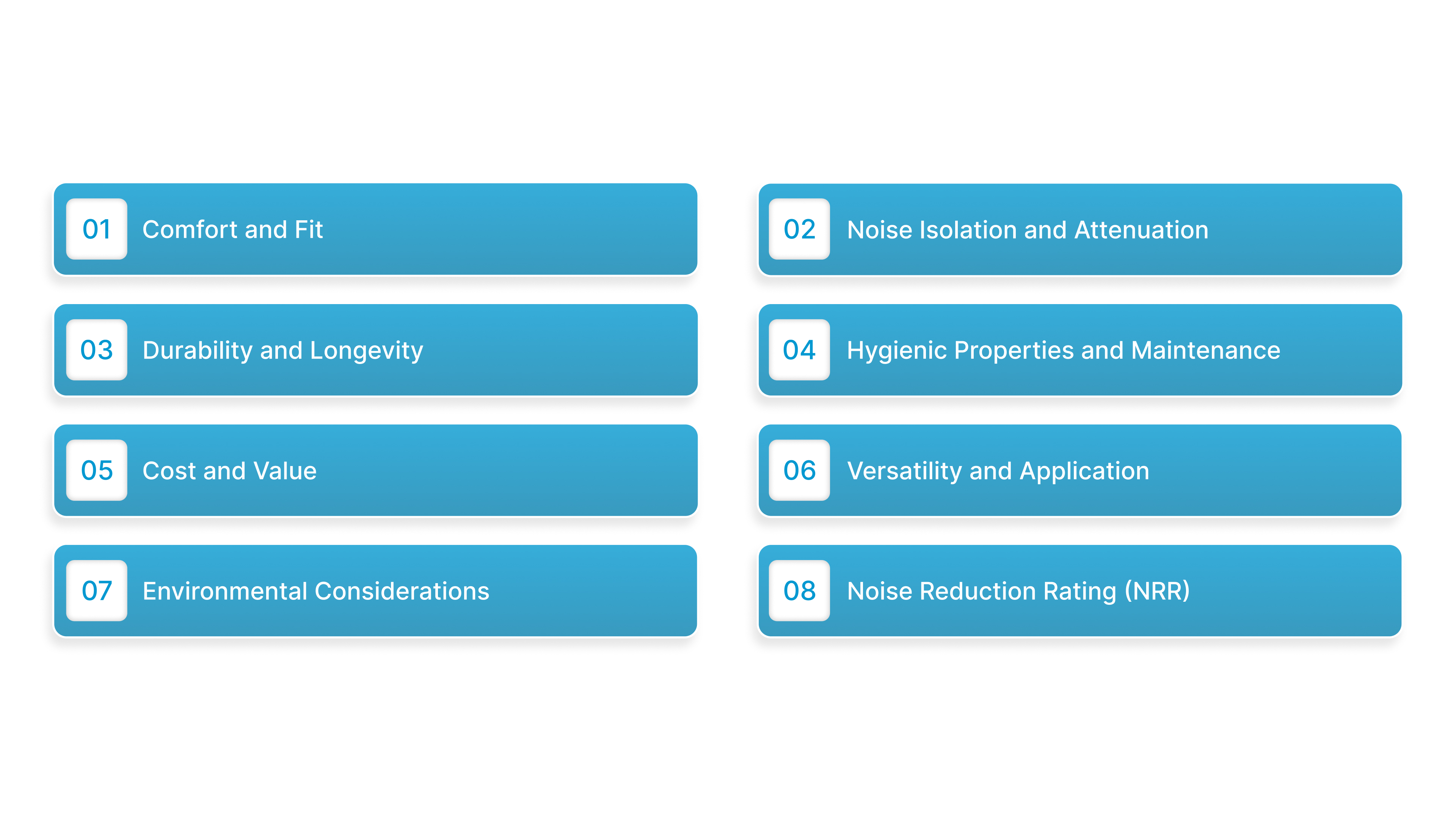
1. Comfort and Fit
Foam Ear Seals: Foam ear seals are known for their softness and flexibility. However, their comfort can be short-lived on long-haul flights.
The material may compress over time, leading to pressure or discomfort for those wearing it for extended periods. They also don’t always provide a perfect seal in some ear shapes.
Silicone Gel Ear Seals: Silicone gel provides premium comfort, with its gel core ensuring even pressure distribution that significantly reduces discomfort during long sessions.
Unlike foam, silicone gel ear seals hold their shape, meaning you don’t experience that "flattening" over time. Ideal for longer flights or extended headset use, silicone gel helps prevent hot spots or pressure points.
2. Noise Isolation and Attenuation
Foam Ear Seals: Foam seals typically offer excellent noise isolation in low-frequency environments, making them great for blocking out engine hums, traffic noise, or background chatter. However, in louder environments, foam may not block high-frequency noise as effectively.
Silicone Gel Ear Seals: Gel ear seals excel in noise isolation across a broader range, offering superior attenuation in high-noise environments (like noisy cockpits). They form a more airtight seal, reducing external sound interference better than foam.
3. Durability and Longevity
Foam Ear Seals: Foam ear seals are more prone to wear and tear compared to silicone. They can lose their shape, deteriorate faster with sweat exposure, and are more susceptible to dirt buildup, reducing their effectiveness. Frequent replacement may be necessary, especially in high-use settings like aviation.
Silicone Gel Ear Seals: Silicone gel seals are more durable and resistant to wear and tear. They can withstand high heat, sweat, and humidity much better than foam, making them ideal for those who need to rely on them regularly.
4. Hygienic Properties and Maintenance
Foam Ear Seals: While foam provides initial comfort, it tends to absorb sweat and oils, which can lead to bacterial growth and unpleasant odors. Regular cleaning or replacement is essential to maintain hygiene. They are also harder to clean and maintain compared to gel ear seals.
Silicone Gel Ear Seals: Silicone gel is non-absorbent and doesn’t collect sweat or oils, making it more hygienic and easier to clean. A quick wipe-down is usually sufficient to keep them in good condition.
5. Cost and Value
Foam Ear Seals: Foam ear seals are typically the more affordable option, making them suitable for casual users or students who need a basic solution without breaking the bank. However, the lower cost comes with a trade-off in durability and long-term comfort.
Silicone Gel Ear Seals: Although silicone gel ear seals come with a higher upfront cost, they provide better long-term value due to their durability, comfort, and lower maintenance costs. They are reusable, so they last longer, and you don’t need to replace them as often.
6. Versatility and Application
Foam Ear Seals: Perfect for environments requiring a lightweight, budget-friendly solution for short durations. Commonly used in entry-level aviation and light aircraft, they’re also popular in music production, personal audio, or temporary industrial hearing protection.
Silicone Gel Ear Seals: Built for high-performance environments, silicone gel ear seals excel in commercial aviation, motorsports, broadcasting, and military aviation. They’re ideal for professionals who need extended wear in settings like control towers, audio engineering, and MRI rooms.
Also Read: MRI Headphones: Your Guide to a Quieter Scan
7. Environmental Considerations
Foam Ear Seals: Foam ear seals are often disposable, adding to environmental waste. They are not the most eco-friendly option for regular users.
Silicone Gel Ear Seals: Silicone is a more sustainable material because it is durable, reusable, and lasts longer. While it might come with a higher initial cost, the longer life cycle makes it a better choice for reducing waste over time.
8. Noise Reduction Rating (NRR)
Foam Ear Seals: Foam ear seals typically have a higher Noise Reduction Rating (NRR), around 28-33 dB or more, depending on the fit and material. They perform best in blocking out low-frequency noises such as engine noise and rumbling.
Silicone Gel Ear Seals: Gel ear seals offer a slightly lower NRR than foam, but they excel in blocking both high and low-frequency noise due to their superior seal. They are more effective at isolating high-pitched sounds while still providing strong noise isolation.
Choosing foam vs gel ear seals depends on what you prioritize: foam is affordable and comfortable for short-term use, while silicone gel offers better long-term comfort, superior noise isolation, and more durability for frequent or extended use.
Looking for the right ear seals or accessories? Scan Sound offers a broad selection of products, including dictation earphone earpads, foam earpads for earphones and earbuds, and MRI-safe Hearing Protection Earplugs. Explore our collection today.
Recommended Read: Benefits of Disposable Headphone & Headset Covers
Once you know the differences, it’s important to recognize when your ear seals are no longer doing their job. Here’s how to spot the signs of wear.
How to Tell When It’s Time to Replace Your Ear Seals
Ear seals wear out over time and should be checked regularly to ensure they still provide proper protection. Here’s what to look for:
Visible Cracks or Tears: Inspect for any damage to the material. Even small cracks can significantly reduce effectiveness.
Flattening or Loss of Shape: If the seal no longer conforms to your ear or head shape, it’s time for a replacement.
Loose Fit: If the ear seals don't stay snug against your ears or headset, they won't block out noise properly.
Increased Background Noise: If you notice more outside noise, even with the volume unchanged, your seals may have worn down.
Discomfort After Extended Use: If the ear seals cause discomfort after 20–30 minutes, they might be losing their effectiveness or need replacing.
Quick Tip: After each use, especially in humid conditions, wipe the ear seals with a soft cloth. This prevents buildup and helps them last longer.
Regularly checking your ear seals for wear and tear will help maintain optimal performance, ensuring your ear protection continues to provide comfort and noise reduction.
Knowing when to replace your ear seals is important, but selecting the right earplugs is just as crucial. Let’s go over the key factors to consider.
How to Choose the Right Earplugs for Your Needs
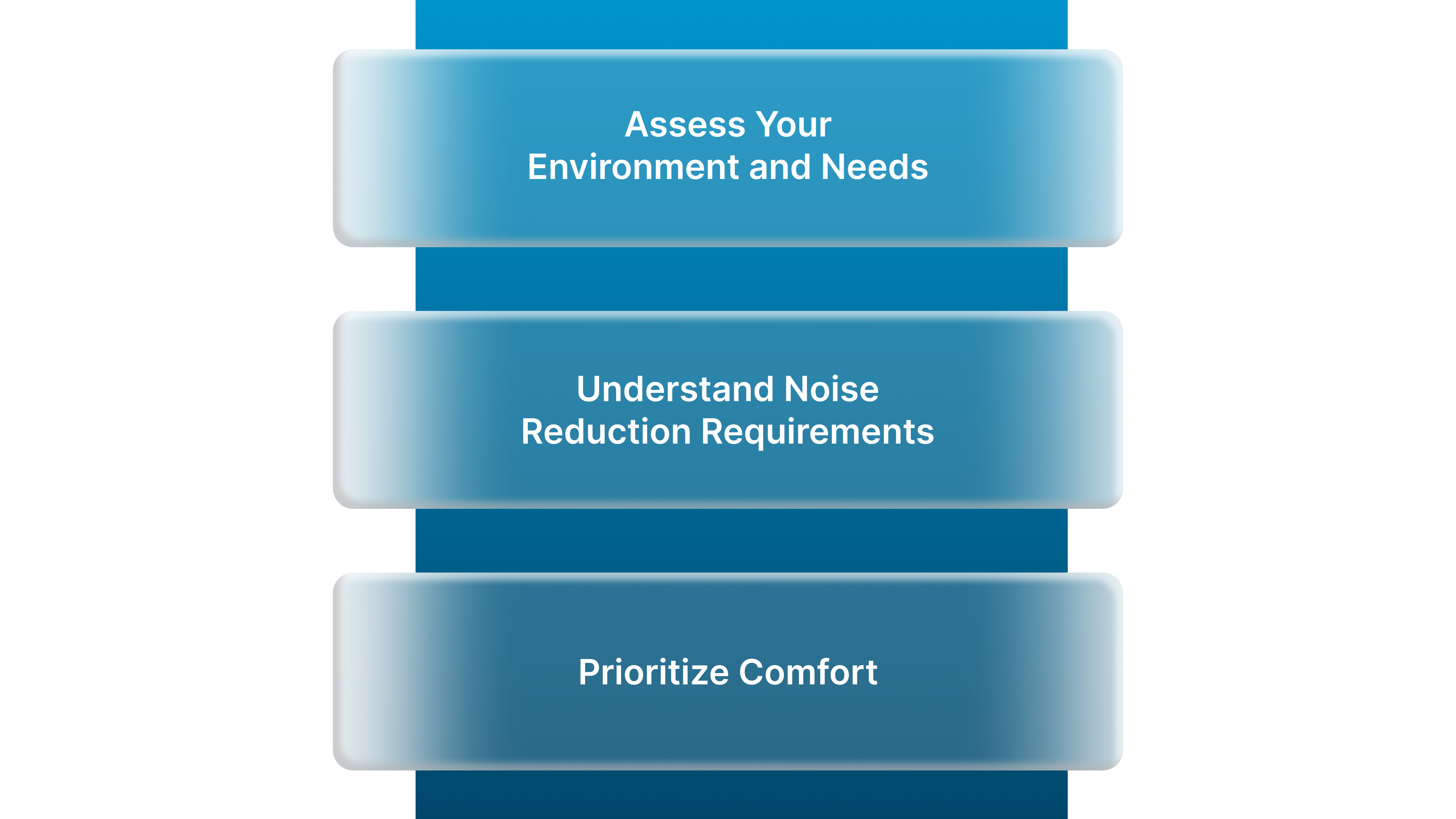
With so many types of earplugs available, selecting the right ones for your situation can be overwhelming. Here are three essential tips to guide your choice:
Assess Your Environment and Needs: Swimmers need earplugs designed to keep water out, while construction workers need heavy-duty noise blockers. Consider whether you’ll need protection against consistent, high-level noise or intermittent sound exposure.
Understand Noise Reduction Requirements: Most construction sites operate at noise levels below 95 dB, meaning earplugs that offer 20–30 dB of reduction should suffice. In environments like airports or concerts, more resilient noise reduction might be necessary.
Prioritize Comfort: Foam earplugs may be ideal for some, but others find them uncomfortable. Consider whether you prefer reusable, custom-molded earplugs or disposable options.
By considering these factors, you can choose ear seals that best suit your needs, ensuring both protection and comfort for any environment.
Looking for the right earplugs or ear seals? Scan Sound offers a wide range of products to fit your needs. Our pilot headset cushions, replacement ear seals, and aviation headset ear seals ensure optimal comfort and performance.
Also Read: Sharing of Headphones and Headsets Created a Need for Disposable Covers
Now that you have a better understanding of earplugs and ear seals, it’s time to find the right accessories to improve your audio experience through Scan Sound.
Get the Right Audio Accessories from Scan Sound
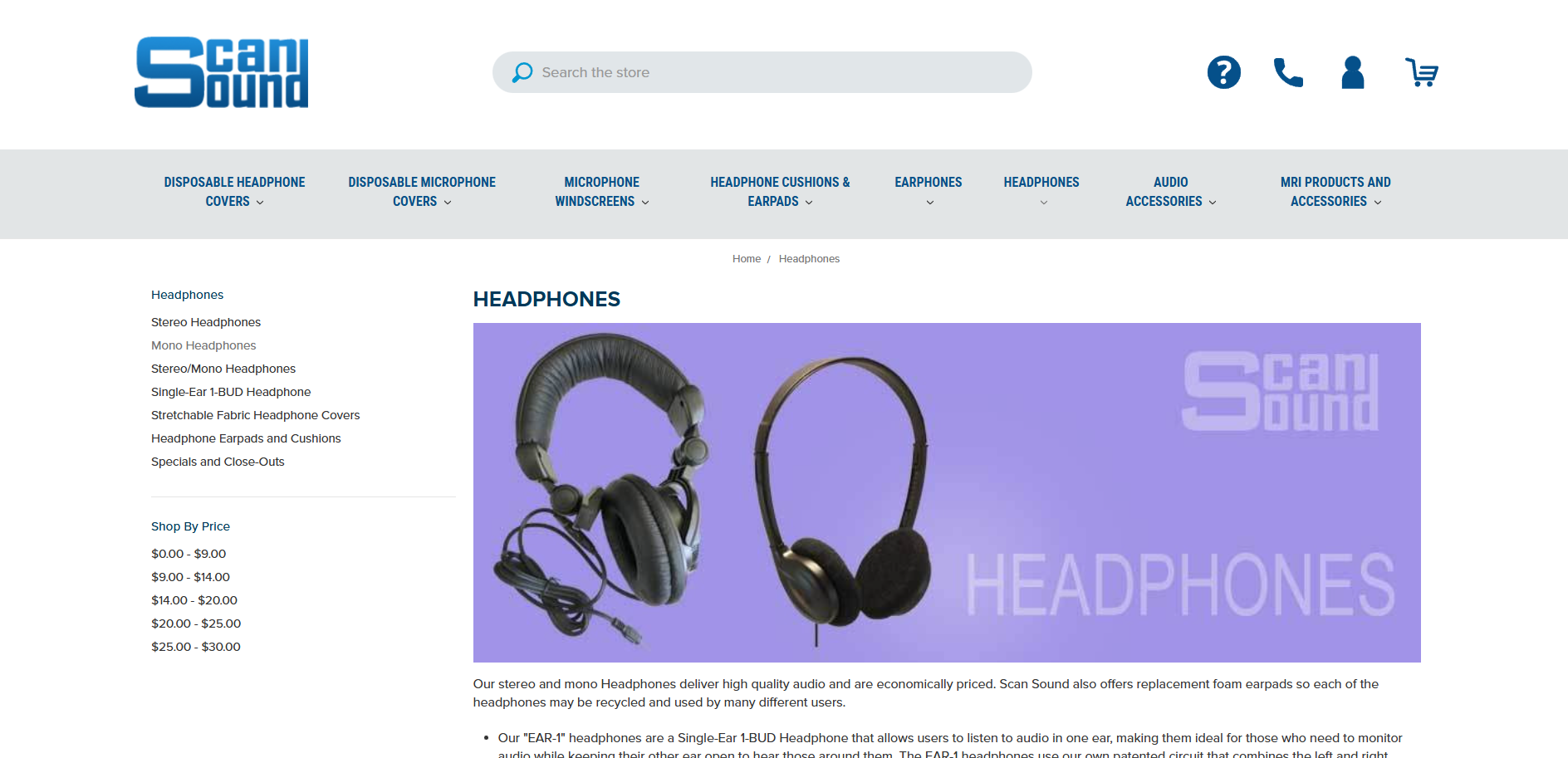
When it comes to ensuring clear sound and comfort, the right accessories make all the difference. Scan Sound specializes in products that enhance both audio quality and user comfort, offering solutions tailored to demanding environments:
Aviation Headset Ear Seals: Our gel and foam ear seals provide maximum noise reduction and comfort for pilots. Designed to ensure your headset stays snug and secure, even during long flights.
Headphone Cushions & Earpads: We provide replacement foam earpads for various headphones, including general audio headphones.
Dictation Earphone Earpads: Specifically designed for transcription headphones, these foam earpads fit various models, including Olympus, Sony, and Philips dictation headphones. Available in bulk for easy replacement.
Earphone Foam Earpads: Our earphone foam earpads come in multiple sizes, including 17mm, 20mm, and 22mm. They fit a range of earphones and earbuds, providing comfort for all-day wear.
MRI-safe Hearing Protection Earplugs: These earmuffs are designed to reduce the high noise levels of MRI scanners, offering a Noise Reduction Rating of -20 dB.
Whether you're in healthcare, aviation, or just looking to upgrade your audio setup, our products are built to keep you connected, comfortable, and focused.
Conclusion
Understanding the different types of ear seals, cushions, and earplugs is essential for ensuring comfort, performance, and safety in various environments. The right products can make all the difference in maintaining audio clarity and reducing noise. Some key factors to consider when selecting earplugs and ear seals include noise reduction, comfort, and fit.
At Scan Sound, we specialize in providing durable, comfortable, and hygienic solutions tailored to your unique audio needs. With decades of experience, we offer a range of products that meet medical-grade standards and professional audio requirements, ensuring maximum comfort and optimal performance.
Ready to upgrade your audio setup? Get a quote for replacement ear seals or cushions today and ensure your equipment stays in top condition for optimal performance.
FAQs
1. What's better, foam or silicone earplugs?
Both foam and silicone earplugs have their benefits. Foam earplugs offer better noise isolation, making them ideal for blocking out unwanted sounds. Silicone earplugs, however, provide a more comfortable fit for extended wear and are often reusable.
2. Are reusable earplugs better than foam?
Reusable earplugs are more durable and eco-friendly, making them a good long-term option. Foam earplugs, on the other hand, offer superior noise reduction and are better suited for one-time or occasional use.
3. Are foam earplugs effective?
Yes, foam earplugs are highly effective at reducing noise, especially in environments with consistent loud noise, such as construction sites, airports, or concerts. They expand to fit your ear canal for a secure and comfortable seal.
4. Are foam earplugs better than earmuffs?
Foam earplugs are better for comfort and portability, while earmuffs offer more consistent noise reduction, especially in extremely loud environments. The best choice depends on the level of noise exposure and comfort preferences.
5. How long can you wear foam earplugs?
Foam earplugs can be worn for several hours, but it's essential to remove them periodically to avoid discomfort or ear irritation. Always follow the manufacturer's recommendations for duration to maintain ear health.